Introduction to 3D Wall Panels

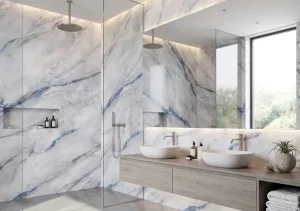
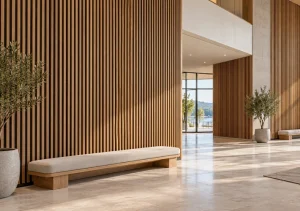
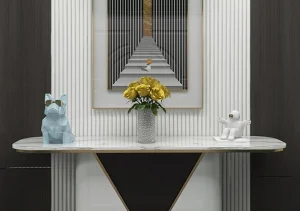
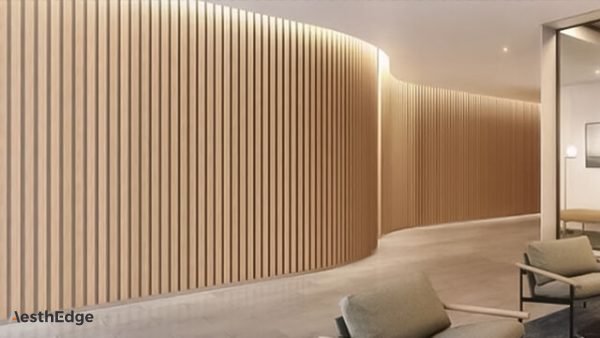
3D wall panels are increasingly popular in both residential and commercial settings for their unique ability to add texture, depth, and personality to walls. Unlike traditional flat surfaces, these panels offer a variety of designs and materials that create a layered, three-dimensional effect. Whether you’re looking to modernize your living room, add sophistication to an office, or bring life to a restaurant space, 3D wall panels provide a flexible and appealing solution. However, as with any decorative material, they come with both advantages and disadvantages that are important to consider.
Are 3D Wall Panels Worth It?
3D wall panels are worth considering when a project requires decorative depth, distinctive surface textures, and a more customized interior finish than paint or conventional wallpaper can provide. Their overall value depends on the panel material, installation method, maintenance requirements, and intended application. For commercial projects, the decision should also account for total installed cost, expected service life, cleaning frequency, and replacement requirements.
The main advantages of 3D wall panels are their visual impact, wide design selection, ability to conceal minor surface imperfections, and the potential to improve room acoustics when specifically designed with sound-absorbing materials. Their disadvantages include higher initial costs than some conventional wall finishes, additional installation requirements, and material-specific limitations involving moisture, impact resistance, and maintenance.
For importers, wholesalers, contractors, and interior designers, the most suitable option is not necessarily the panel with the most elaborate design. It is the product that balances appearance, technical performance, installation efficiency, and long-term operating costs for the intended project.
Advantages of 3D Wall Panels
1. Aesthetic Appeal
3D wall panels introduce a dynamic, sculptural element to walls, making them the centerpiece of any room. Unlike paint or wallpaper, which only adds color or flat patterns, 3D panels bring texture and depth. From geometric shapes to nature-inspired designs, there’s a vast array of styles that can complement various interior aesthetics.
- Application in Design: The unique textures and shapes of 3D wall panels are highly valued in modern and contemporary interior design styles. They can be used to create accent walls or cover entire rooms, providing a sense of drama and luxury.
- Color and Finish Options: Most 3D panels are available in various finishes, including matte, glossy, and metallic, and can be painted to match the rest of the décor, which adds to their versatility.
2. Versatile Design Options
The market for 3D wall panels has expanded significantly, allowing for a broad choice of materials, colors, and shapes. Whether you prefer wood, PVC, gypsum, or leather, there’s a material suitable for nearly every environment.
- Popular Designs: Common 3D wall panel patterns include waves, hexagons, bricks, and floral designs. Each design creates a different ambiance. For instance, wave patterns can evoke a calming effect, making them ideal for relaxation spaces, while geometric designs add a modern, sophisticated feel.
- Customizability: Many manufacturers offer customizable 3D panels, allowing clients to choose unique shapes, colors, and textures that align with brand or home aesthetics.

3. Improved Acoustic Properties
Certain 3D wall panel materials, such as fabric-covered or foam-based panels, have soundproofing qualities that absorb noise. This makes them ideal for environments where acoustic control is essential.
- Applications in Acoustic Settings: Office spaces, recording studios, and home theaters benefit from sound-absorbing 3D wall panels, which help to reduce echoes and noise pollution.
- Layered Construction for Sound Control: Some 3D panels use multi-layered constructions that further enhance sound insulation, effectively absorbing sound waves and creating a quieter environment.
4. Durability and Low Maintenance
Most 3D wall panels are designed for longevity, as they are manufactured from materials that resist moisture, fading, and minor physical damage.
- Material-Specific Benefits: PVC and metal 3D wall panels, for example, are known for their durability and ability to withstand moisture, making them perfect for high-traffic areas.
- Easy Cleaning: Many 3D wall panels are easy to clean with a damp cloth, and some materials are stain-resistant, requiring only occasional maintenance to retain their look.
5. Conceals Wall Imperfections
3D wall panels are excellent for hiding wall imperfections, such as cracks, dents, or stains, without the need for extensive wall repair.
- Visual Consistency: Instead of repainting or resurfacing damaged walls, 3D panels can cover these flaws, providing a cleaner, more uniform appearance.
- Cost-Efficiency: For spaces with damaged or uneven walls, using 3D panels can be more cost-effective than performing repairs and repainting.
6. Eco-Friendly Options
Many 3D wall panels are available in eco-friendly versions, manufactured from recycled or sustainably sourced materials, such as bamboo or reclaimed wood.
- Environmentally Conscious Materials: Sustainable options like bamboo are not only eco-friendly but also contribute to improved air quality and are biodegradable.
- LEED Credits and Certifications: Some 3D wall panels meet LEED certification requirements, making them a favorable choice for environmentally-conscious building projects.
7. Easy Installation
A majority of 3D wall panels are lightweight and designed for straightforward installation, which is ideal for DIY enthusiasts and professionals alike.
- DIY-Friendly: Many panels come with interlocking designs or adhesive backings that make installation quick and relatively easy.
- Professional Installation Options: For larger projects or complex patterns, professional installation is available, ensuring a seamless look.
How to Choose the Right Material for 3D Wall Panels
The material used in a 3D wall panel determines much of its weight, surface appearance, moisture tolerance, impact resistance, maintenance needs, and installation requirements. Buyers should compare materials according to the conditions of the project rather than selecting panels based on appearance alone.
| Material | Main Advantages | Key Limitations | Typical Applications |
|---|---|---|---|
| PVC | Lightweight, easy to clean, and available in many decorative finishes | Impact resistance and heat tolerance depend on product construction | Feature walls, retail interiors, and selected commercial spaces |
| MDF | Suitable for decorative machining, painted finishes, and wood-look designs | Standard MDF products may swell when exposed to moisture | Offices, bedrooms, reception areas, and dry interior spaces |
| Natural wood | Authentic grain, natural texture, and a premium appearance | May require protective finishes and periodic maintenance | Hospitality interiors, executive offices, and premium feature walls |
| Gypsum | Can provide sculptural shapes and detailed architectural designs | Relatively fragile in some applications and may require careful handling | Decorative walls, reception areas, and selected indoor installations |
| Fabric-covered panels | Soft surface finishes and potential sound absorption | Fabric can collect dust and may require more intensive cleaning | Meeting rooms, studios, and hospitality interiors |
| Foam-based panels | Lightweight and easy to shape into decorative patterns | Impact resistance, fire performance, and durability vary by product | Selected decorative interiors and controlled-use environments |
This comparison is a general guide rather than a substitute for product specifications. Actual performance varies with panel composition, thickness, surface treatment, mounting system, and manufacturing quality.
For hotels, offices, retail spaces, and other commercial interiors, buyers should request technical data sheets covering dimensions, weight, recommended installation methods, cleaning instructions, and applicable fire-performance classifications. Where moisture resistance, acoustic performance, or low-emission materials are required, request supporting test reports for the specific product.
For bulk orders, it is also useful to confirm available colors, surface textures, dimensional tolerances, packaging methods, sample approval procedures, and the consistency of finishes between production batches. These details can help reduce installation problems and maintain a consistent appearance across multiple rooms or project locations.

Disadvantages of 3D Wall Panels
1. Higher Initial Cost
The cost of 3D wall panels is typically higher than that of traditional wall coverings like paint or wallpaper, especially when high-quality materials or custom designs are selected.
- Pricing for Premium Materials: Natural wood, gypsum, and leather options can be particularly expensive, which may deter homeowners on a budget.
- Long-Term Investment: Despite the upfront cost, 3D wall panels are often seen as an investment in property value due to their durability and aesthetic appeal.
2. Space Constraints
The three-dimensional nature of these panels can make a room feel smaller, as they reduce the perceived space and add a sense of visual weight.
- Space Impact in Small Rooms: In compact spaces, 3D panels may make the room feel cramped. They are best suited for larger areas where the three-dimensional effect can be fully appreciated.
- Protrusion Challenges: Some 3D panels can be thick, extending several inches from the wall, which may not work well in areas with limited floor space or low ceilings.
3. Limited Use in High-Moisture Areas
Although some 3D wall panels, like those made from PVC or metal, are water-resistant, other materials, such as MDF and wood, are not ideal for humid or wet environments.
- Water Sensitivity of MDF and Wood: Panels made from MDF may warp or deteriorate in bathrooms and kitchens, which limits their versatility.
- Special Treatments Needed: Some materials can be sealed for moisture resistance, but this adds to the cost and may require regular reapplication.
4. Potential Installation Challenges
Although many 3D panels are DIY-friendly, some types may require additional tools, adhesives, or fasteners, especially if made from heavy materials like gypsum or concrete.
- Adhesive Requirements: Certain materials necessitate strong adhesives, which can complicate the installation and limit removability.
- Wall Preparation: Uneven or textured walls may need to be sanded or treated before panel installation, adding to both time and cost.
5. Maintenance Challenges for Specific Materials
While most 3D wall panels are easy to maintain, some, like fabric-covered or natural wood panels, may require extra care.
- Fabric-Covered Panels: These can attract dust and may need regular vacuuming or cleaning to maintain their appearance, especially in high-traffic areas.
- Wood Panels: Natural wood requires periodic cleaning and potentially re-staining to keep its appearance, which may be labor-intensive over time.
6. Risk of Outdated Style
The trendy nature of 3D wall panels means certain designs might go out of style, leading to costly updates.
- Design Lifespan: While many patterns have a timeless appeal, bold or specific designs could feel dated as trends change.
- Replacement Challenges: Removing 3D panels is often more involved than repainting, especially if adhesives were used in installation, leading to a more permanent commitment.
7. Susceptibility to Damage
Some 3D wall panel materials, particularly foam or MDF, may be prone to scratches, dents, or other damage, especially in high-traffic areas.
- High-Traffic Considerations: For spaces where the walls may be subject to frequent contact, such as hallways or children’s rooms, it’s best to choose more durable materials like PVC or metal.
- Long-Term Wear: Softer materials may lose their structural integrity over time, requiring repair or replacement.
What Is the Total Cost of Installing 3D Wall Panels?
The total cost of installing 3D wall panels includes more than the purchase price per panel or per square meter. For commercial projects, buyers should evaluate the complete installed cost to avoid underestimating the budget.
The main cost components include:
- Material cost: The panel material, thickness, surface finish, design complexity, and customization requirements all influence the purchase price.
- Wall preparation: Uneven surfaces, damaged substrates, moisture problems, or additional framing may require preparation before installation.
- Installation labor: Labor costs depend on panel weight, cutting requirements, joint details, mounting systems, and the complexity of the design.
- Accessories and finishing: Adhesives, fasteners, trims, corner pieces, and edge treatments may add to the total cost.
- Maintenance and replacement: Cleaning requirements, potential repairs, and the availability of replacement panels should be considered over the expected service life.
A lower-priced panel may not deliver the lowest total project cost if it requires extensive wall preparation, complicated installation, or frequent replacement. Conversely, a premium panel may not be necessary for every space, especially where decorative requirements and traffic levels are relatively modest.
For a more accurate comparison, buyers should request quotations using the same measurement basis and scope of supply. Confirm whether the quoted price covers panels only or includes accessories, packaging, and other services. International buyers should also clarify shipping terms, order quantities, lead times, and any applicable import charges.
For multi-room hotel projects, office developments, and retail chains, a sample approval process is particularly useful. Reviewing the actual color, texture, dimensions, and installation details before mass production can help reduce discrepancies between the approved design and the delivered materials.

What Should Buyers Check Before Ordering 3D Wall Panels?
Before placing a bulk order, buyers should evaluate the product against the technical and operational requirements of the project. A structured checklist makes it easier to compare suppliers and reduces the risk of ordering panels that are unsuitable for the installation environment.
1. Confirm the application. Determine whether the panels will be installed in a hotel lobby, office, retail store, corridor, residential interior, or another space. Traffic levels, cleaning frequency, and environmental conditions affect material selection.
2. Verify product specifications. Request information about panel dimensions, thickness, weight, material composition, surface finish, dimensional tolerances, and recommended installation methods.
3. Check moisture and fire requirements. Do not assume that every 3D wall panel is waterproof or fire-resistant. For bathrooms, kitchens, public buildings, or regulated commercial projects, verify the suitability of the complete installation system and obtain relevant test documentation where required.
4. Evaluate acoustic claims carefully. Decorative relief does not automatically mean effective sound absorption. If acoustic performance is important, request test results for the specific panel assembly and review the reported acoustic rating, such as the Noise Reduction Coefficient (NRC), where applicable.
5. Approve samples before bulk production. Check color, texture, surface quality, dimensions, and compatibility with adjacent materials. For projects involving multiple batches, clarify how color consistency will be managed.
6. Confirm installation and after-sales support. Ask for installation instructions, accessory recommendations, packaging details, lead times, and procedures for handling damaged or defective products.
7. Compare suppliers on more than price. Manufacturing consistency, customization capability, quality control, communication, delivery reliability, and documentation can be as important as the initial unit price.
By following these steps, importers, contractors, and project procurement teams can select 3D wall panels that better match their design objectives, technical requirements, and budget constraints.
Frequently Asked Questions About 3D Wall Panels
What are the main advantages of 3D wall panels?
The main advantages of 3D wall panels include enhanced visual depth, a wide range of decorative designs, the ability to conceal minor wall imperfections, and potentially improved sound absorption when the panels are specifically designed for acoustic applications. Depending on the material, they may also offer easy cleaning and relatively straightforward installation.
What are the disadvantages of 3D wall panels?
Common disadvantages include higher upfront costs than paint or some wallpapers, additional installation requirements, possible reductions in perceived room space, and material-specific limitations involving moisture, impact resistance, and maintenance. Some designs may also become outdated or be difficult to remove without damaging the underlying wall.
Are 3D wall panels waterproof?
Not all 3D wall panels are waterproof. Certain PVC and metal products may offer good moisture resistance, while standard MDF, natural wood, gypsum, and fabric-covered products have different limitations. Buyers should verify the specific product’s moisture-resistance properties and follow the manufacturer’s installation instructions.
Do 3D wall panels reduce noise?
Some 3D wall panels can absorb sound and reduce reverberation, but decorative panels do not automatically provide acoustic benefits. Sound absorption depends on the material, perforations, backing, cavity depth, and installation assembly. Buyers who need measurable acoustic performance should request relevant laboratory test results.
Are 3D wall panels suitable for hotels and commercial buildings?
Yes. Depending on their specifications, 3D wall panels can be used in hotel reception areas, corridors, meeting rooms, retail stores, offices, and other commercial interiors. Selection should account for durability, cleaning requirements, fire regulations, installation conditions, and the visual consistency required across the project.
Are 3D wall panels expensive?
The cost varies according to material, dimensions, surface finish, design complexity, order quantity, and installation requirements. Although some panels cost more initially than paint or wallpaper, the overall value should be assessed using the complete installed cost, maintenance needs, and expected service life.
How can buyers choose a reliable 3D wall panel manufacturer?
Buyers should review product specifications, available samples, manufacturing consistency, quality-control procedures, customization options, packaging, lead times, and relevant test reports. For international bulk orders, it is also important to confirm quotation terms, production schedules, export documentation, and the supplier’s process for resolving quality issues.
Conclusion
3D wall panels offer an innovative way to transform spaces, adding texture, depth, and personality to otherwise flat walls. Their advantages, including aesthetic appeal, sound insulation, and durability, make them a valuable addition to a range of spaces, from residential to commercial. However, these panels also come with certain challenges, such as a higher initial cost, potential maintenance needs, and limitations in humid areas.
For those who value both function and form, 3D wall panels are a worthwhile consideration for creating distinctive and visually compelling environments. Careful material selection and installation planning will ensure that 3D wall panels not only enhance a space aesthetically but also provide practical benefits for years to come.