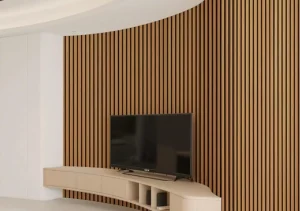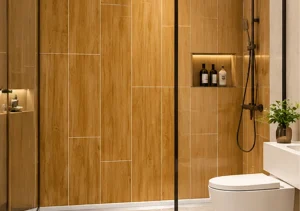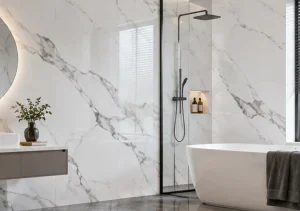
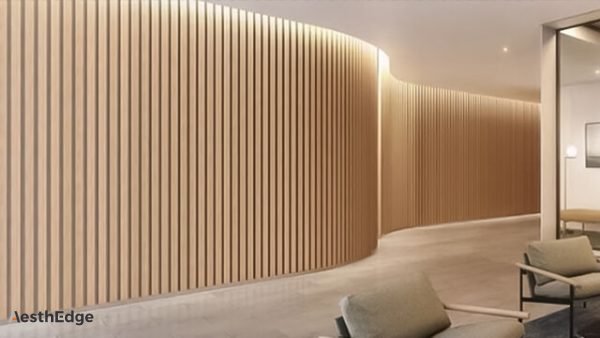
Introduction: Understanding PVC vs uPVC Ceiling Panels
In the global interior decoration market, ceiling panels play a critical role in improving aesthetics, reducing maintenance needs, and enhancing long-term durability. With the growing demand for lightweight, waterproof, and cost-effective ceiling materials, PVC ceiling panels and uPVC ceiling panels have become two of the most widely used solutions—in residential, commercial, and industrial projects.
However, although they look similar in appearance, PVC (Polyvinyl Chloride) and uPVC (Unplasticized Polyvinyl Chloride) have significant differences in composition, performance, durability, price, fire resistance, and suitability for different environments.
For wholesalers, importers, building contractors, and interior product brands, understanding the differences between PVC and uPVC ceiling panels is essential to.
Quick Answer: What Is the Difference Between PVC and uPVC Ceiling Panels?
The main difference between PVC and uPVC ceiling panels is the use of plasticizers. PVC ceiling panels contain plasticizers, which make them more flexible and generally more economical. uPVC ceiling panels do not contain plasticizers, making them more rigid, dimensionally stable, and suitable for applications where long-term durability and structural performance are important.
In general, PVC ceiling panels are a better choice for cost-sensitive residential and decorative projects, while uPVC ceiling panels are more suitable for commercial, industrial, and long-term projects that require higher rigidity and durability. The final choice should also consider local fire regulations, installation conditions, panel specifications, and project budget.
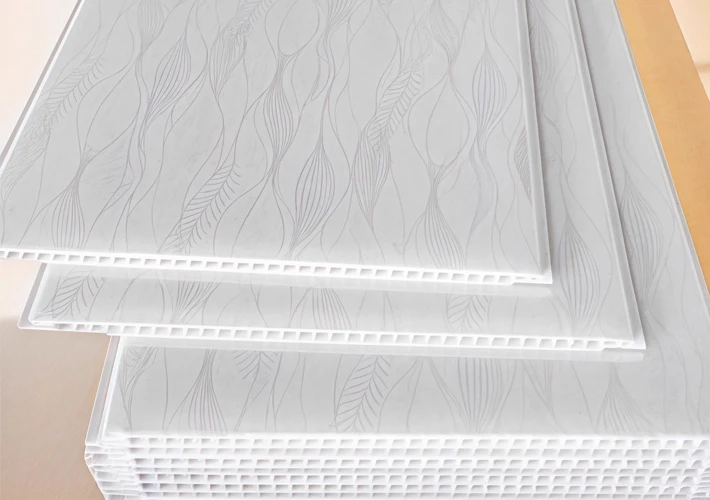
What Are PVC Ceiling Panels? Material & Properties Explained
1.Basic Definition
PVC ceiling panels are made from Polyvinyl Chloride resin mixed with:
- Plasticizers
- Stabilizers
- Calcium carbonate
- Color pigments
- Additives (UV stabilizer, anti-fungus agents, etc.)
Plasticizers are the key element that make PVC panels flexible.
2.Key Characteristics of PVC Ceiling Panels
PVC ceiling panels are known for:
- Flexibility
- Smooth surface finish
- Lightweight structure
- Waterproof and termite-proof
- Affordable cost
- Quick installation
- Wide decorative options
Because plasticizers increase elasticity, PVC panels are slightly softer and more bendable than uPVC.
3.Advantages of PVC Ceiling Panels
- 100% waterproof
- Lightweight and easy to install
- Wide color and texture options (marble, wood grain, matte, glossy, printed patterns)
- Lower production cost
- Suitable for low-budget projects
- Easy to cut and customize onsite
- Good for temporary or semi-permanent installations
- Resistant to humidity, stains, and mold
4.Limitations of PVC Panels
PVC ceiling panels are not perfect. Limitations include:
- Slightly lower rigidity compared to uPVC
- Lower fire resistance
- Easier to deform under high heat
- Not ideal for harsh outdoor or industrial environments
- Shorter lifespan compared to uPVC panels
In summary, PVC ceiling panels are flexible, economical, decorative, and ideal for general indoor use.
What Are uPVC Ceiling Panels? Material & Properties Explained
1.Basic Definition
uPVC means Unplasticized Polyvinyl Chloride or Rigid PVC.
Unlike regular PVC, uPVC contains no plasticizers, making it significantly harder, stronger, and more durable.
Typical uPVC formulation includes:
- PVC resin
- Stabilizers
- Titanium dioxide (for UV resistance)
- Lubricants
- Impact modifiers
- Calcium carbonate
Because there are zero plasticizers, uPVC is rigid and more dimensionally stable.
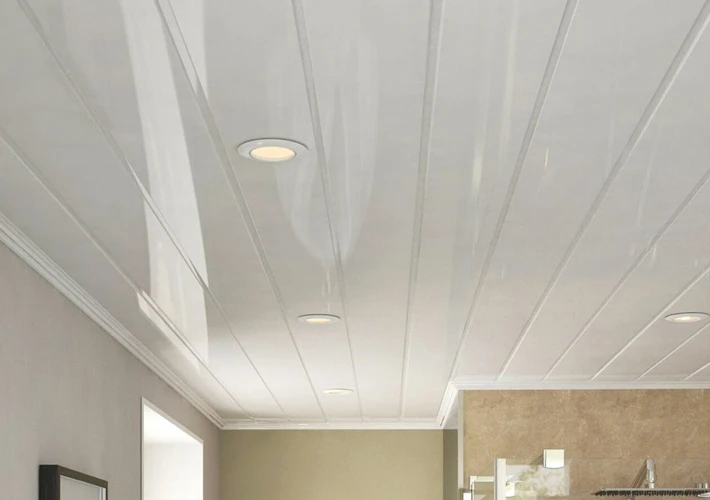
2.Key Characteristics of uPVC Ceiling Panels
uPVC ceiling panels offer:
- High rigidity and structural integrity
- Stronger impact resistance
- Better fire resistance
- Higher temperature resistance
- Longer lifespan (20–30 years)
- Better sound insulation
These features make uPVC panels a premium choice for demanding environments.
3.Advantages of uPVC Ceiling Panels
- Much stronger than PVC
- Better for hot climates or areas near heat sources
- Higher fire safety level
- Superior anti-aging performance
- Longer life span
- Resistant to yellowing and fading
- More stable, less expansion or deformation
- Suitable for high-end commercial projects
4.Limitations of uPVC Panels
- Higher cost
- Heavier than PVC, requiring better installation structure
- Less flexible—may crack if bent forcefully
- Limited design variety compared to PVC
- Cutting and fabrication require slightly more effort
In summary, uPVC ceiling panels are a rigid, long-lasting, fire-resistant solution ideal for premium projects.
The Key Difference Between PVC and uPVC Ceiling Panels
The most important difference is that conventional PVC contains plasticizers, while uPVC is manufactured without plasticizers. This difference affects the rigidity, flexibility, dimensional stability, heat performance, durability, and typical applications of the two materials.
PVC is generally selected when flexibility, decorative variety, lightweight construction, and lower cost are priorities. uPVC is usually selected when buyers need a more rigid and dimensionally stable ceiling panel for long-term commercial or demanding applications.
PVC vs uPVC Ceiling Panels: Detailed Comparison (Material, Performance, Cost, Applications)
This section provides a full comparison to help wholesalers and project buyers clearly differentiate both materials.
1.Composition Difference
| Feature | PVC Ceiling Panels | uPVC Ceiling Panels |
|---|---|---|
| Plasticizers | ✔ Yes | ✖ No |
| Rigidity | Medium | High |
| Flexibility | High | Low |
| Durability | Medium | High |
| Heat Resistance | Medium | High |
Conclusion: Plasticizers make PVC flexible; uPVC is rigid and stronger.
Is PVC or uPVC Better for Ceiling Panels?
Neither material is universally better. PVC is usually better for projects where low cost, lightweight construction, decorative flexibility, and easy installation are the main priorities. uPVC is generally better when rigidity, dimensional stability, durability, and long-term performance are more important.
For a budget residential renovation, PVC can provide better overall value. For commercial buildings, demanding environments, or projects with stricter performance requirements, uPVC may provide better long-term value despite its higher initial cost.
2.Physical & Mechanical Properties
| Property | PVC | uPVC |
|---|---|---|
| Density | Lower | Higher |
| Strength | Moderate | High |
| Scratch Resistance | Lower | Higher |
| Impact Resistance | Medium | High |
| Dimensional Stability | Medium | High |
| Expansion Rate | Higher | Lower |
uPVC performs better structurally, especially in long-term installations.
3.Waterproof & Moisture Resistance
Both PVC and uPVC are 100% waterproof.
However:
- PVC may soften slightly in long-term humidity.
- uPVC remains rigid with better mold resistance.
For bathrooms, wet kitchens, and basements, both are suitable, but uPVC lasts longer.
4.Fire Resistance Comparison
uPVC ceiling panels have higher fire resistance because they contain no plasticizers.
PVC:
- May deform in high heat
- Slightly lower flame retardancy
uPVC:
- More stable at high temperatures
- Higher flame-retardant grade
- Safer for public buildings
For airports, hospitals, schools, hotels → uPVC is recommended.
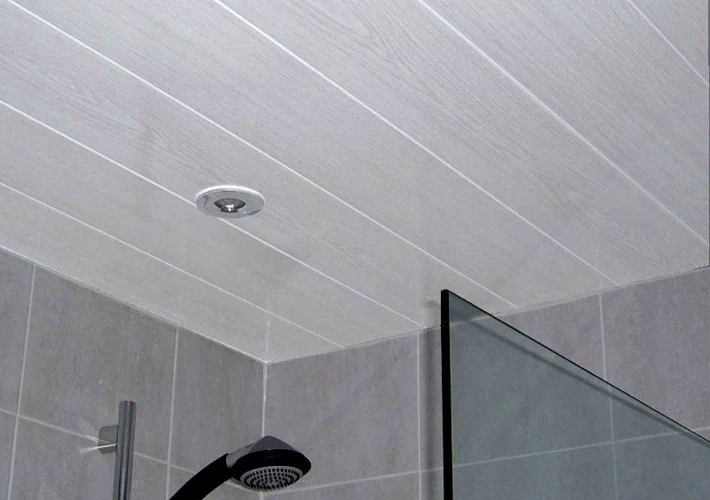
5.Lifespan & Anti-Aging Performance
| Feature | PVC | uPVC |
|---|---|---|
| Lifespan | 8–15 years | 20–30 years |
| UV Resistance | Medium | High |
| Anti-Yellowing | Medium | High |
uPVC ceiling panels last significantly longer, especially in sunny or humid environments.
6.Installation Differences
PVC panels:
- Easy to cut
- Flexible for uneven ceilings
- Installation is quick
- Suitable for DIY projects
uPVC panels:
- Require more precise installation
- Heavier, requiring stronger framework
- Better dimensional stability
- Recommended for professional installers
7.Cost Comparison
| Item | PVC Ceiling Panel | uPVC Ceiling Panel |
|---|---|---|
| Raw Material Cost | Low | Medium-High |
| Manufacturing Cost | Medium | High |
| Market Price | $2–6 per piece | $4–12 per piece |
(Prices vary by country and specifications)
PVC is more cost-effective; uPVC is a premium product.
Why Are uPVC Ceiling Panels More Expensive Than PVC Panels?
uPVC ceiling panels generally cost more because they use a rigid formulation and may require higher material density, stronger production control, and more precise processing. However, the actual wholesale price varies significantly depending on thickness, width, length, surface finish, formulation, packaging, order quantity, and destination market.
For B2B buyers, comparing only the unit price can be misleading. A more useful comparison is the total project cost, including product price, shipping volume, installation requirements, expected service life, maintenance, and replacement frequency.
8.Application Comparison
PVC Ceiling Panels Applications
- Residential bedrooms
- Living rooms
- Rental apartments
- Low-budget renovations
- Shop ceilings
- Indoor decorative areas
- Temporary constructions
uPVC Ceiling Panels Applications
- High-end residences
- Hospitals
- Schools
- Commercial buildings
- Industrial facilities
- Coastal areas / humid climates
- Projects requiring fire-rated materials
Pros & Cons of PVC vs uPVC Ceiling Panels (Full Analysis)
PVC Ceiling Panels Pros
- Low cost
- Easy to install
- Lightweight
- More design variety
- Good flexibility
- Suitable for most indoor environments
- Great for mass-volume B2B projects
PVC Ceiling Panels Cons
- Lower fire resistance
- Less durable
- May deform at high temperature
- Shorter lifespan
- Not ideal for heavy-duty environments
uPVC Ceiling Panels Pros
- Excellent rigidity
- High strength
- Fire-resistant
- Long lifespan
- UV and weather resistant
- Suitable for professional projects
- Premium appearance and performance
uPVC Ceiling Panels Cons
- Higher price
- Limited color options
- Not as flexible as PVC
- Requires professional installation

How to Choose Between PVC and uPVC Ceiling Panels? (Expert B2B Buying Guide)
PVC vs uPVC Ceiling Panels: Quick Decision Guide
Choose PVC if your priority is:
- Lower purchase cost
- Lightweight installation
- More decorative patterns
- Easy onsite cutting
- Residential or budget renovation projects
Choose uPVC if your priority is:
- Higher rigidity
- Better dimensional stability
- Longer service life
- More demanding commercial applications
- Higher performance requirements
1.Choose PVC when:
- You want a cost-effective material
- You need a decorative ceiling for indoor areas
- You prefer rich colors and patterns
- The project is budget-sensitive
- Installation needs to be quick and simple
Best for:
– Residential projects
– Retail stores
– Renovation contractors
– Rental apartments
– Large-scale decorative projects
2.Choose uPVC when:
- Durability and safety are top priorities
- Fire-resistance standards are required
- You need higher strength
- Installation environment is harsh
- You want long-term, maintenance-free ceilings
Best for:
– Hospitals, airports, schools
– Hotels and commercial buildings
– Industrial plants
– High-end residences
– Humid coastal areas
3.For Importers & Wholesalers
Consider the following factors:
- Local building codes
- Target customer market (budget vs premium)
- Stock turnover cycle
- Preferred panel sizes (usually 250mm, 300mm, 600mm)
- Shipping volume and load capacity
- Color popularity by region
Offering both PVC and uPVC ceiling panels helps you serve a wider market.
4.Quality Inspection Tips
When sourcing from China, check:
- Thickness consistency
- Panel straightness
- Surface finish quality
- Scratch resistance
- Fire test performance
- UV resistance (TiO₂ percentage)
- Weight per meter (indicates density & quality)
Top factories provide:
- ISO certifications
- In-house testing reports
- UV-aging test data
- Fire rating documents
Frequently Asked Questions
Are PVC and uPVC ceiling panels the same?
No. PVC ceiling panels generally contain plasticizers, while uPVC panels are manufactured without plasticizers. This makes uPVC more rigid and dimensionally stable.
Which is cheaper, PVC or uPVC ceiling panels?
PVC ceiling panels are generally less expensive than uPVC panels, although the final price depends on thickness, size, finish, order quantity, and supplier.
Which lasts longer, PVC or uPVC?
uPVC generally offers a longer service life because of its rigid formulation and better dimensional stability. Actual lifespan depends on product quality, installation, environment, and maintenance.
Are PVC ceiling panels waterproof?
PVC ceiling panels are commonly used in humid environments because they are resistant to water and moisture. However, waterproof performance should be evaluated together with joints, installation, and the supporting structure.
Are uPVC ceiling panels suitable for commercial buildings?
Yes. uPVC panels can be suitable for commercial applications where rigidity, durability, moisture resistance, and long-term performance are required, subject to applicable building and fire regulations.
Can PVC ceiling panels be used in bathrooms?
PVC ceiling panels are commonly used in bathrooms and other humid indoor spaces because of their moisture resistance. Proper installation and ventilation are still important.
Should I choose PVC or uPVC for a hotel project?
The choice depends on the hotel’s budget, local regulations, design requirements, expected service life, and performance requirements. uPVC may be preferred for demanding long-term applications, while PVC can be suitable for cost-sensitive decorative areas.
What should I check when buying ceiling panels from China?
Importers should check material composition, thickness, dimensions, weight, surface quality, color consistency, fire-test documentation where required, packaging, MOQ, lead time, and container loading quantity.
Conclusion: Which Is Better—PVC or uPVC Ceiling Panels?
PVC and uPVC ceiling panels serve different needs:
- PVC ceiling panels → affordable, decorative, flexible, best for general indoor use.
- uPVC ceiling panels → strong, durable, fire-resistant, ideal for high-end or commercial applications.
For wholesalers and project contractors, the right choice depends on budget, performance requirements, installation environment, and customer expectations.
Both materials will continue growing in global demand due to their waterproof nature, lightweight structure, and versatility.