Introduction to Flexible Stone
Flexible stone is a modern and innovative decorative material that combines the natural beauty of stone with the flexibility and lightweight characteristics of advanced composite materials. It has gained popularity in architecture, interior design, and commercial spaces due to its versatility and ease of installation.
Unlike traditional stone materials, which are heavy and rigid, flexible stone offers a thin and bendable solution that maintains the texture and appearance of natural stone. This makes it ideal for various applications where conventional stone might be impractical.
Flexible Stone A Delicate Touch for Spaces
Despite its thin profile and lightweight nature, flexible stone veneer is highly durable. It is resistant to cracks, chips, and impact, ensuring long-lasting beauty and performance.
View MoreQuick Answer: What Is Flexible Stone Made Of?
Flexible stone is made of a thin layer of natural stone surface, polymer resin, and a flexible reinforcement backing such as fiberglass mesh or fabric. Unlike traditional stone slabs, flexible stone uses advanced manufacturing technology to separate a very thin layer from natural stone and bond it with a lightweight backing system.
The typical structure of flexible stone consists of three main layers:
- Natural stone surface layer – Provides the authentic texture, color, and appearance of real stone.
- Polymer adhesive layer – Bonds the stone surface with the backing material while improving strength, flexibility, and durability.
- Flexible backing layer – Usually made from fiberglass mesh, polyester fabric, or similar materials to provide bending capability and structural support.
Because of this unique structure, flexible stone combines the visual appearance of natural stone with the lightweight and installation advantages of modern composite materials.
In simple terms, flexible stone is real stone transformed into a thin, flexible decorative panel, making it suitable for applications where traditional stone is too heavy, expensive, or difficult to install.
Composition of Flexible Stone
Flexible stone is made using a unique manufacturing process that extracts the surface texture of natural stone and bonds it to a flexible backing material. The main components include:
2.1 Natural Stone Surface
The top layer of flexible stone is composed of ultra-thin slices of natural stone, typically obtained from large stone blocks. This layer retains the texture, color variations, and patterns found in real stone, giving flexible stone its authentic appearance.
Commonly used stones include:
- Slate – Known for its rich textures and earthy tones.
- Sandstone – Features a smoother, layered look with warm colors.
- Marble – Provides a luxurious appearance with intricate veining patterns.
- Granite – Offers a speckled look with high durability.
2.2 Polymer Resin & Adhesive
To bond the stone layer to the backing material, manufacturers use high-performance polymer resins. These resins enhance the flexibility and durability of the material while ensuring a strong attachment to the backing layer.
Commonly used resins include:
- Epoxy Resin – Provides excellent adhesion and durability.
- Acrylic Resin – Offers UV resistance and flexibility.
- Polyurethane (PU) Resin – Enhances impact resistance and elasticity.
2.3 Fiberglass or Fabric Backing
The backing material plays a crucial role in providing flexibility and strength to the stone veneer. It ensures that the thin stone layer remains intact while allowing the sheet to bend and conform to different surfaces.
Common backing materials include:
- Fiberglass Mesh – Increases tensile strength while keeping the sheet lightweight.
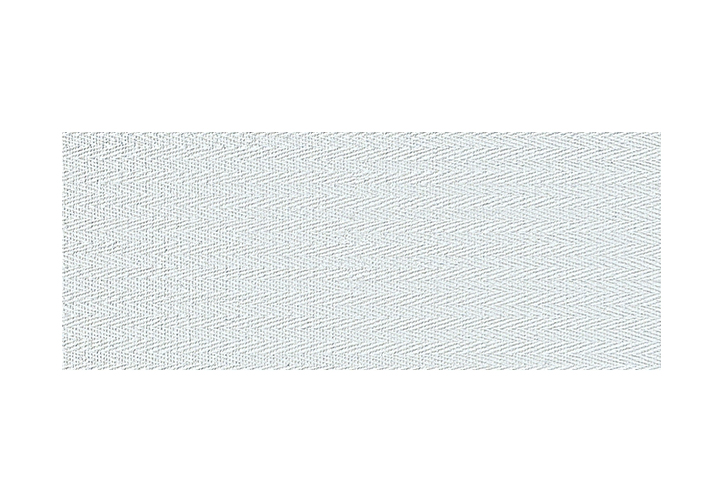
- Cotton or Polyester Fabric – Provides flexibility and a smooth finish for applications on curved surfaces.
How Does the Layer Structure of Flexible Stone Work?
The performance of flexible stone depends on the combination of its surface layer, adhesive system, and reinforcement backing. Each layer has a specific function:
Natural Stone Layer
The top layer is genuine natural stone, which preserves the unique mineral patterns and textures formed naturally over thousands of years. Since only a very thin stone layer is required, flexible stone consumes significantly less natural stone resources compared with traditional stone slabs.
Resin Bonding Layer
The resin layer acts as the connection between the stone surface and the flexible backing. High-quality polymer resins improve:
- Adhesion strength
- Crack resistance
- Moisture resistance
- Temperature stability
- Long-term durability
This layer is one of the key factors that determines the quality and service life of flexible stone panels.
Reinforced Backing Layer
The backing layer provides flexibility while preventing deformation and cracking. Fiberglass mesh is commonly used because it offers high tensile strength while maintaining a lightweight structure.
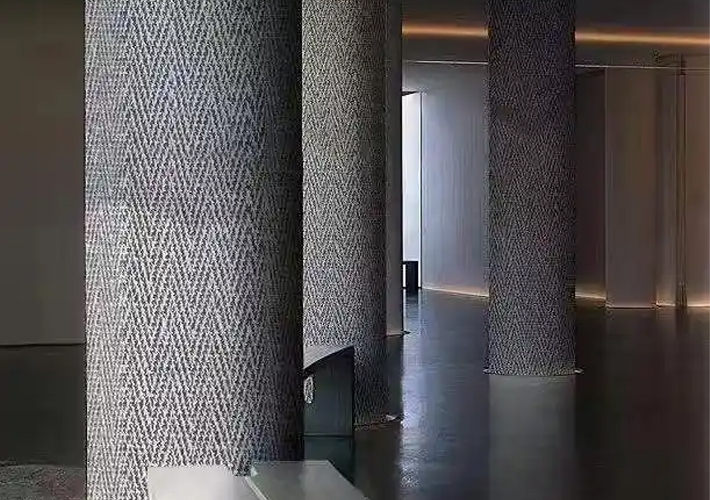
This multi-layer design allows flexible stone to bend around curved surfaces, columns, and architectural features while maintaining the appearance of natural stone.
Manufacturing Process of Flexible Stone
Flexible stone undergoes a specialized manufacturing process to ensure durability and maintain its natural stone appearance. The process includes the following steps:
3.1 Stone Selection
Large blocks of natural stone are carefully selected based on their texture, color, and structural integrity. The stone is then prepared for the extraction process.
3.2 Surface Extraction
Using advanced techniques, a thin layer (typically 1–3 mm) is extracted from the stone block. Special adhesives and a vacuum press are used to bond the extracted layer to the backing material.
3.3 Resin Impregnation
The surface is treated with resin to enhance flexibility, durability, and water resistance. This step ensures the stone veneer remains stable and does not crack when bent.
3.4 Drying and Curing
The sheets are left to dry and cure, allowing the resin to solidify and strengthen the bond between the stone layer and the backing material.
3.5 Cutting and Finishing
Once cured, the flexible stone sheets are cut into standard sizes or custom dimensions according to customer requirements. The edges are smoothed, and protective coatings may be applied for additional durability.
Features and Benefits of Flexible Stone
Flexible stone offers several advantages over traditional stone materials:
4.1 Lightweight
- Traditional stone slabs are heavy and require strong structural support.
- Flexible stone sheets weigh significantly less (typically 1.5–2 kg per square meter), making transportation and installation easier.
4.2 Flexibility
- Can bend and conform to curved surfaces, columns, and uneven walls.
- Suitable for modern and creative architectural designs.
4.3 Easy Installation
- Can be cut with standard tools such as a utility knife or scissors.
- Can be applied using adhesives without requiring heavy-duty construction methods.
4.4 Cost-Effective
- Reduced transportation costs due to lightweight properties.
- Lower installation costs as no specialized labor is required.
4.5 Durable and Weather-Resistant
- Resistant to UV rays, water, and temperature fluctuations.
- Does not crack or degrade easily like natural stone slabs.
4.6 Eco-Friendly
- Uses less raw stone material compared to thick stone slabs.
- Reduces mining waste and energy consumption.
Technical Specifications of Flexible Stone Panels
For architects, contractors, and importers, understanding the technical specifications of flexible stone is important when selecting materials for different projects.
Typical flexible stone specifications include:
| Specification | Common Range |
|---|---|
| Material Composition | Natural stone + polymer resin + fiberglass/fabric backing |
| Thickness | Approximately 1–5 mm |
| Weight | Around 1.5–2.5 kg/m² |
| Surface Finish | Slate, sandstone, marble, granite textures |
| Panel Size | Standard and customized sizes available |
| Installation Method | Adhesive bonding |
| Application | Interior walls, exterior facades, ceilings, furniture, decorative panels |
Compared with traditional stone materials, flexible stone provides a much lower weight per square meter, reducing transportation costs and simplifying installation.
For large-scale commercial projects such as hotels, offices, shopping centers, and residential developments, lightweight stone panels can help reduce structural load while maintaining a premium natural stone appearance.
Applications of Flexible Stone
Due to its unique properties, flexible stone is widely used in various industries and design projects.
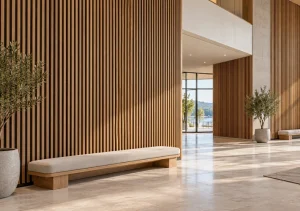
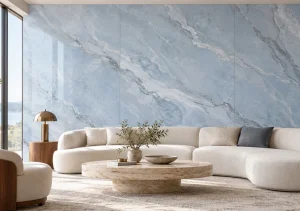
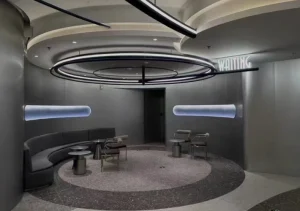
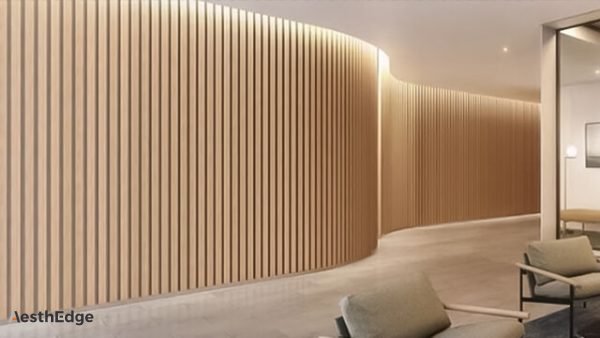
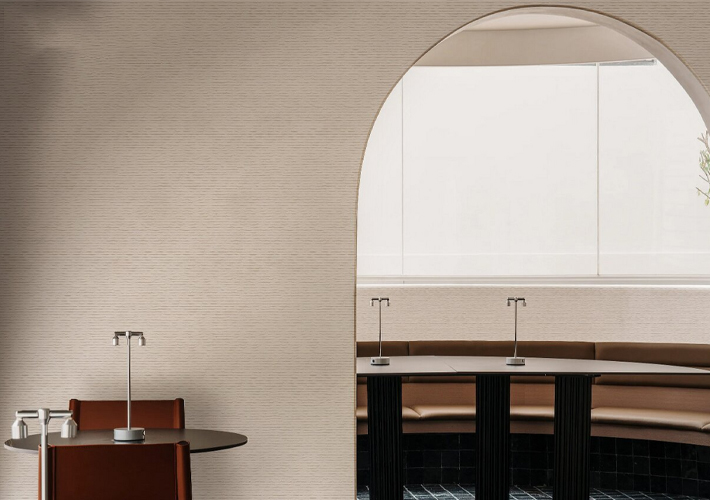
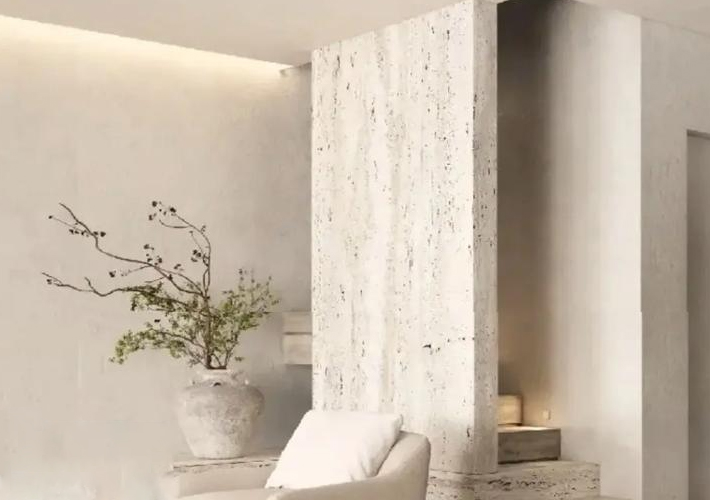
5.1 Interior Wall Cladding
- Used in residential and commercial spaces for feature walls.
- Adds a natural aesthetic to hotels, restaurants, and offices.
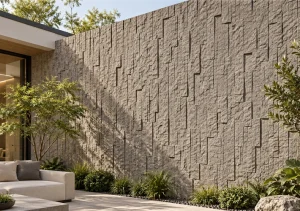
5.2 Exterior Facades
- Can be applied to building exteriors due to its weather resistance.
- Provides a luxurious stone finish without adding excessive weight.
5.3 Furniture & Cabinetry
- Applied to furniture surfaces to create a stone-like appearance.
- Used in kitchen and bathroom cabinetry for a high-end finish.
5.4 Ceilings and Decorative Panels
- Enhances ceilings with natural stone textures.
- Used in custom-designed partitions and wall panels.
5.5 Flooring
- Some flexible stone varieties are reinforced for flooring applications.
- Provides a lightweight alternative to stone tiles.
5.6 Vehicle Interiors
- Used in luxury car interiors, yachts, and aircraft due to its lightweight nature.
Comparison with Other Stone Materials
| Feature | Flexible Stone | Natural Stone | Artificial Stone |
|---|---|---|---|
| Weight | Lightweight | Heavy | Moderate |
| Flexibility | Yes | No | Limited |
| Installation | Easy | Difficult | Moderate |
| Durability | High | Very High | Moderate |
| Water Resistance | High | High | Varies |
| Cost | Affordable | Expensive | Moderate |
Flexible Stone vs Natural Stone: Why Are More Designers Choosing Flexible Stone?
Traditional natural stone has always been valued for its luxury appearance and durability. However, its heavy weight, difficult installation process, and high transportation costs create challenges for many modern construction projects.
Flexible stone solves these limitations by offering similar visual aesthetics with improved practicality.
The main advantages of flexible stone compared with traditional stone include:
Lower Transportation and Installation Costs
Because flexible stone panels are much lighter than conventional stone slabs, shipping costs are reduced, and installation requires fewer workers and less specialized equipment.
Better Design Flexibility
Traditional stone cannot easily adapt to curved surfaces or complex architectural structures. Flexible stone can be installed on:
- Curved walls
- Columns
- Rounded furniture surfaces
- Decorative architectural features
Reduced Structural Requirements
Heavy stone materials may require reinforced structures. Flexible stone reduces additional load on walls and buildings, making it suitable for renovation projects and lightweight construction systems.
More Sustainable Material Usage
Since flexible stone uses only a thin layer of natural stone, it helps reduce the consumption of large stone blocks while maintaining the natural appearance customers expect.
For modern architecture and interior design, flexible stone provides a balance between aesthetics, performance, and cost efficiency.
Market Trends and Future Development
Flexible stone is gaining traction in the global market due to its innovative features. Some key trends include:
- Increased Demand for Sustainable Materials – Many architects and designers prefer eco-friendly materials, making flexible stone a popular choice.
- Growth in Prefabricated Construction – The use of lightweight and easy-to-install materials is driving demand.
- Technological Advancements – New production methods are improving durability, flexibility, and design options.
- Expansion in Residential and Commercial Projects – More property owners and developers are using flexible stone for interior and exterior applications.
Frequently Asked Questions About Flexible Stone
Is flexible stone made from real stone?
Yes. Flexible stone is made using a thin layer of genuine natural stone, such as slate, sandstone, marble, or granite. The stone surface maintains its natural texture, color variations, and patterns.
Is flexible stone waterproof?
High-quality flexible stone has good water resistance because the surface is treated with protective coatings and the backing structure is designed to prevent moisture penetration. It is commonly used in bathrooms, kitchens, exterior walls, and humid environments.
Can flexible stone be used outdoors?
Yes, flexible stone can be used for exterior applications when the product is manufactured with suitable weather-resistant materials. It can withstand sunlight exposure, temperature changes, and normal outdoor conditions.
Is flexible stone durable?
Flexible stone is highly durable when properly manufactured and installed. The combination of natural stone, resin bonding, and reinforcement backing helps prevent cracking and deformation.
How long does flexible stone last?
The service life depends on product quality, installation method, and environmental conditions. Premium flexible stone products can maintain their appearance and performance for many years in both interior and exterior applications.
Can flexible stone be installed on curved surfaces?
Yes. One of the biggest advantages of flexible stone is its ability to bend. It can be applied to curved walls, columns, arches, and other irregular surfaces where traditional stone cannot be easily installed.
What adhesive is used for flexible stone installation?
Flexible stone is usually installed with construction adhesives suitable for stone veneer, depending on the substrate and application environment.
Is flexible stone environmentally friendly?
Flexible stone is considered a more resource-efficient alternative because it uses a very thin natural stone layer instead of large stone slabs, reducing material consumption and transportation energy.
Conclusion
Flexible stone is revolutionizing the decorative materials industry by offering a perfect blend of aesthetics, functionality, and cost-effectiveness. Made from natural stone with polymer resin and fabric reinforcement, it provides a lightweight, durable, and flexible alternative to traditional stone slabs.
With its growing popularity in interior design, architecture, and commercial applications, flexible stone is set to become a mainstream material in the construction and decoration industry. Whether for walls, furniture, ceilings, or exteriors, it is an excellent choice for those seeking the beauty of natural stone without the limitations of traditional heavy stone materials.
Choosing a Reliable Flexible Stone Manufacturer
For wholesalers, distributors, architects, and construction companies, selecting a reliable flexible stone supplier is essential for ensuring consistent quality and project performance.
A professional flexible stone manufacturer should provide:
- Stable raw material sourcing
- Advanced production technology
- Strict quality control
- Customized sizes and surface designs
- OEM and private label services
- Export experience for international markets
China has become one of the major suppliers of decorative building materials worldwide due to its strong manufacturing capability and competitive production costs.
Working with an experienced flexible stone factory allows buyers to access competitive pricing, customized solutions, and reliable supply for residential, commercial, and hospitality projects.