Introduction: Why Walnut Colors Are Popular for Bamboo Charcoal Wall Panels
Walnut colors have become an important design choice in modern interior decoration because they combine the natural appearance of wood with a sophisticated, warm, and timeless aesthetic. From luxury hotel interiors and commercial offices to residential developments and retail spaces, walnut-inspired surfaces provide an attractive alternative to traditional solid wood finishes.
For importers, wholesalers, building material distributors, and project contractors, walnut bamboo charcoal wall panels offer an appealing combination of decorative versatility, convenient installation, and consistent visual quality. These panels reproduce the appearance of natural walnut while using bamboo charcoal-based composite materials as their core structure and decorative surface technology.
Unlike traditional solid walnut boards, bamboo charcoal wall panels can be manufactured in different colors, textures, surface treatments, and panel dimensions. Buyers can select light walnut, natural walnut, medium walnut, dark walnut, and other customized shades according to their target markets and project requirements.
At AesthEdge, we are a professional Chinese factory supplier specializing in decorative wall materials, including bamboo charcoal wood veneer, WPC wall panels, SPC wall panels, acoustic panels, and other interior decoration products. We provide wholesale supply and customization solutions for international buyers seeking reliable decorative materials for residential, hospitality, retail, and commercial projects.
This guide explores the most popular walnut colors and finishes for bamboo charcoal wall panels, explains how to select the right surface treatment, compares different decorative options, and provides practical purchasing advice for B2B buyers.
Understanding Walnut Bamboo Charcoal Wall Panels and Their Market Appeal
Before comparing walnut colors and finishes, it is important to understand the product structure and the reasons behind its growing popularity in the decorative building materials market.
What Are Walnut Bamboo Charcoal Wall Panels?
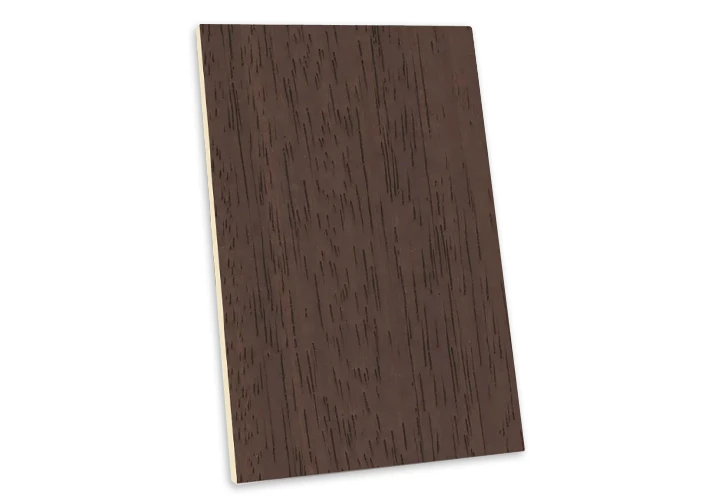
Walnut bamboo charcoal wall panels are decorative interior wall materials manufactured using a bamboo charcoal-based composite substrate with a decorative surface designed to reproduce the appearance of walnut wood.
Depending on the manufacturer’s production process and product series, the structure may include:
- Bamboo charcoal composite substrate: Provides the panel’s main structural body.
- Decorative film or veneer layer: Creates the walnut color, wood grain, and visual appearance.
- Protective surface coating: Helps improve surface durability and resistance to everyday wear.
- Optional embossed or textured finish: Adds a tactile wood-like effect.
The exact composition, density, thickness, and surface technology may vary between manufacturers. Buyers should always request product specifications rather than assuming that all bamboo charcoal panels have identical structures.
Walnut finishes are particularly suitable for this product category because walnut wood has distinctive grain patterns, attractive brown tones, and a recognizable premium appearance.
Why Are Walnut Finishes Popular in Interior Projects?
There are several reasons why walnut-inspired decorative panels are attractive to international project buyers.
1. A Premium Natural Wood Appearance
Walnut colors create a sophisticated atmosphere without requiring the use of expensive solid walnut timber. They are suitable for projects that need a wood-inspired decorative appearance with more flexible material sourcing.
2. Compatibility with Multiple Interior Styles
Walnut surfaces work well with contemporary, minimalist, modern luxury, industrial, and traditional interior designs. They can be combined with stone-effect panels, metal trims, glass, lighting, and neutral-colored furniture.
3. Flexible Color Selection
Different walnut shades can create different visual effects. Light walnut makes an interior feel brighter, while dark walnut introduces depth and contrast.
4. Convenient Decorative Wall Installation
Many bamboo charcoal wall panel systems are designed for relatively efficient interior installation. Depending on the specific product and installation method, they can reduce the need for traditional decorative processes.
5. Consistent Appearance for Large Projects
For hotel chains, apartment developments, office buildings, and retail projects, consistent decorative colors are important. Factory-produced panels can help buyers maintain a coordinated appearance across multiple interior areas.
Walnut Panels vs. Traditional Solid Walnut Wood
For B2B buyers, the distinction between walnut-inspired bamboo charcoal panels and solid walnut timber is important.
| Comparison | Walnut Bamboo Charcoal Wall Panels | Solid Walnut Wood |
|---|---|---|
| Main structure | Composite substrate | Natural hardwood |
| Appearance | Walnut-inspired decorative surface | Natural walnut grain |
| Color consistency | Can be controlled during production | Natural variations |
| Design options | Multiple decorative colors and finishes | Natural wood variations and stains |
| Maintenance | Depends on surface coating and product specifications | Depends on wood treatment |
| Installation | Depends on panel system | Requires woodworking and suitable fixing |
| Cost structure | Generally positioned as a decorative composite material | Influenced by timber grade and supply |
| Customization | Decorative films, colors, textures, sizes | Wood species, cuts, stains, and dimensions |
These products serve different market requirements. Bamboo charcoal wall panels are not direct structural replacements for solid timber, but they offer an alternative for decorative interior applications where appearance, repeatability, and installation efficiency are priorities.
Popular Walnut Colors for Bamboo Charcoal Wall Panels
Walnut is not a single color. It includes a broad spectrum of brown shades, from pale golden brown to deep chocolate tones.
For wholesalers and project contractors, selecting the right walnut color can influence the entire interior design scheme. Below are some of the most popular walnut color options in the international decorative wall materials market.
1. Light Walnut: A Bright and Natural Decorative Choice
Light walnut is characterized by warm golden-brown or beige-brown tones with relatively subtle wood grain patterns.
It is especially suitable for interiors that require a natural wood appearance without making the space visually heavy.
Main characteristics:
- Light brown or golden-brown background.
- Relatively soft and understated grain patterns.
- Bright and welcoming visual appearance.
- Works well with white, cream, beige, and light gray materials.
Recommended applications:
- Modern apartments.
- Hotel guest rooms.
- Residential living rooms.
- Office reception areas.
- Retail display interiors.
For apartment developers and hotel furnishing contractors, light walnut can be a practical option when designing spaces that need a warm atmosphere while maintaining a bright overall appearance.
It also works well with white marble-effect wall panels and light-colored furniture.
2. Natural Walnut: A Balanced and Versatile Option
Natural walnut is one of the most versatile choices for bamboo charcoal wall panels.
It typically features medium brown tones with natural-looking grain variations. Compared with light walnut, it offers more depth. Compared with dark walnut, it maintains a softer and more approachable appearance.
Main characteristics:
- Medium brown color.
- Natural wood-inspired grain.
- Balanced warm undertones.
- Suitable for different lighting conditions.
Recommended applications:
- Hotel corridors.
- Living room feature walls.
- Office meeting rooms.
- Restaurant interiors.
- Commercial reception areas.
Natural walnut is particularly attractive to B2B buyers because it can serve multiple market segments without being overly specialized.
For wholesalers, keeping natural walnut among the standard inventory options may help address a broad range of customer preferences.
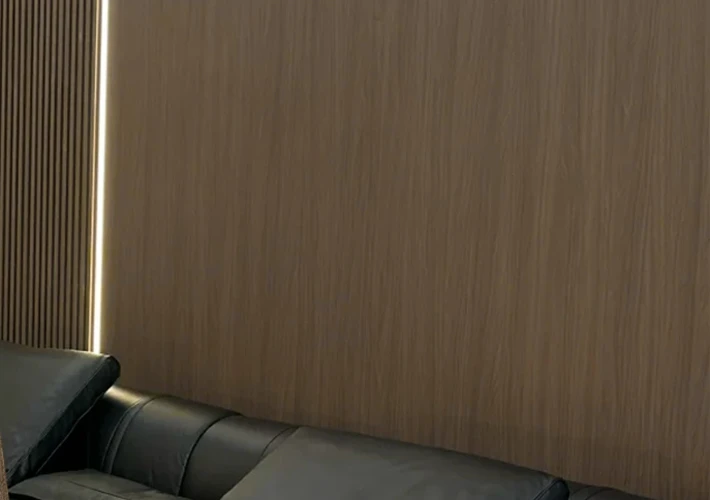
3. American Walnut: A Premium Dark-Brown Appearance
American walnut-inspired finishes are often associated with premium interior decoration.
They generally feature rich brown tones, darker grain lines, and a distinctive wood pattern.
The appearance may vary according to the selected decorative film and production design.
Main characteristics:
- Medium-dark to dark brown shades.
- Stronger grain contrast.
- Premium and sophisticated appearance.
- Suitable for modern luxury interiors.
Recommended applications:
- Luxury hotel lobbies.
- Executive offices.
- High-end residential developments.
- Private clubs.
- Premium retail stores.
American walnut-inspired bamboo charcoal wall panels are particularly suitable for projects that require a strong decorative focal point.
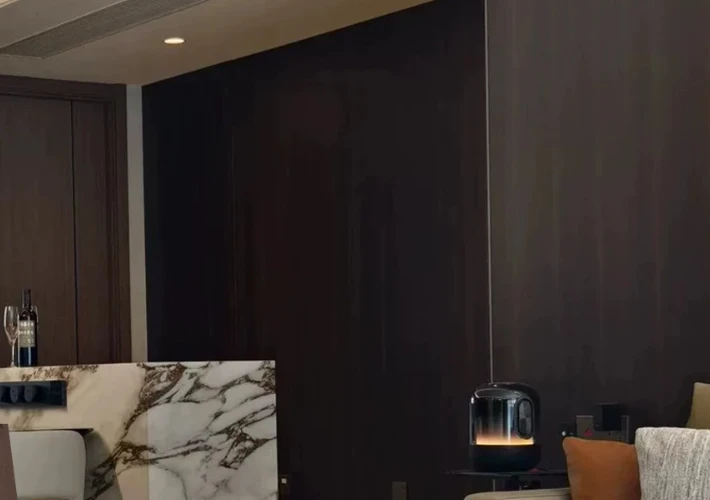
They can be combined with black metal accessories, warm lighting, marble-effect surfaces, and brushed gold decorative elements.
4. Dark Walnut: A Sophisticated and Dramatic Finish
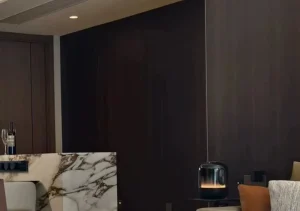
Dark walnut is characterized by deep brown, chocolate, and occasionally near-black undertones.
It creates a strong visual effect and is often used in interiors that emphasize contrast and material richness.
Main characteristics:
- Deep brown color.
- Strong visual depth.
- Elegant and formal appearance.
- Suitable for contrasting decorative schemes.
Recommended applications:
- Hotel reception walls.
- Conference rooms.
- Executive office backgrounds.
- Luxury restaurant interiors.
- Commercial feature walls.
However, buyers should consider the room’s natural lighting before choosing dark walnut.
In smaller spaces or rooms with limited daylight, using dark walnut across every wall may make the interior feel visually heavy.
A more effective approach is to use it as an accent wall or combine it with lighter materials.
5. Smoked Walnut: A Modern and Contemporary Option
Smoked walnut is generally darker and more muted than traditional natural walnut.
Its color may include gray-brown, charcoal-brown, and cool brown undertones.
This finish is increasingly relevant to projects that use neutral colors, black metal details, concrete-effect materials, and contemporary furniture.
Main characteristics:
- Muted brown and gray undertones.
- Modern and understated appearance.
- Less visually warm than golden walnut.
- Compatible with contemporary interior materials.
Recommended applications:
- Modern office buildings.
- Boutique hotels.
- Contemporary retail spaces.
- Apartment feature walls.
- Commercial reception areas.
Smoked walnut can also create an attractive combination with gray stone-effect panels and matte black decorative profiles.
6. Red Walnut: A Warm and Distinctive Decorative Style
Red walnut-inspired finishes feature warmer reddish-brown undertones.
Compared with neutral walnut shades, this option introduces more color and visual warmth.
Main characteristics:
- Reddish-brown background.
- Warm and distinctive appearance.
- Noticeable decorative grain patterns.
- Suitable for classic and warm contemporary interiors.
Recommended applications:
- Restaurants.
- Hospitality interiors.
- Traditional-style reception areas.
- Decorative furniture backgrounds.
- Selected residential projects.
Red walnut is a more specialized option, so wholesalers may prefer to offer it as an additional color rather than a core inventory product.
Walnut Color Comparison for B2B Buyers
| Walnut Color | Visual Tone | Design Style | Recommended Project |
|---|---|---|---|
| Light Walnut | Golden light brown | Scandinavian, minimalist | Apartments, offices |
| Natural Walnut | Medium warm brown | Contemporary, versatile | Hotels, commercial interiors |
| American Walnut | Rich brown | Modern luxury | Hotels, executive spaces |
| Dark Walnut | Deep chocolate brown | Luxury, classic | Reception areas, clubs |
| Smoked Walnut | Gray-brown | Industrial, modern | Offices, retail |
| Red Walnut | Reddish brown | Warm, traditional | Restaurants, hospitality |
For international distributors, the most commercially versatile starting selection is generally light walnut, natural walnut, and dark walnut. These three options cover different interior design preferences and provide a useful foundation for a wholesale color collection.
Popular Surface Finishes for Walnut Bamboo Charcoal Wall Panels
Color determines the visual tone of a panel, but surface finish influences how the material looks and feels.
Two panels with the same walnut color can create completely different interior effects depending on whether they have a matte, glossy, embossed, or skin-feel surface.
For this reason, B2B buyers should evaluate color and surface finish together.
1. Matte Walnut Finish
Matte walnut is one of the most practical decorative options for modern commercial interiors.
Instead of reflecting strong light, a matte surface creates a relatively soft and understated appearance.
Advantages:
- Reduces noticeable surface reflections.
- Creates a natural and understated appearance.
- Works well with contemporary furniture.
- Suitable for large decorative wall areas.
- Can create a refined wood-inspired visual effect.
Matte walnut is commonly used in hotel rooms, office interiors, residential feature walls, and commercial reception areas.
For projects with large wall surfaces, matte finishes can help maintain a consistent visual atmosphere without excessive reflections from artificial lighting.
However, actual scratch resistance, fingerprint visibility, and cleaning performance depend on the specific surface coating. Buyers should confirm these characteristics through product testing.
2. Glossy Walnut Finish
Glossy walnut panels feature a reflective surface that creates a brighter and more visually prominent appearance.
Although glossy finishes are more commonly associated with marble-effect and decorative PVC panels, walnut-inspired glossy surfaces can also be used for selected modern interior applications.
Advantages:
- Creates stronger light reflections.
- Highlights the decorative surface.
- Can make selected interior areas look brighter.
- Suitable for feature walls and decorative accents.
Recommended applications:
- Retail display backgrounds.
- Modern commercial reception areas.
- Selected hotel decorative walls.
- Contemporary interior feature zones.
Glossy walnut should be selected carefully because excessive reflections may compete with lighting and other decorative materials.
For most large-scale walnut wood-look wall applications, matte or textured finishes are often easier to integrate into a natural interior design scheme.
3. Skin-Feel Walnut Finish
Skin-feel finishes are designed to provide a soft-touch surface.
Rather than focusing only on visual appearance, this finish adds a tactile dimension to the decorative panel.
Depending on the coating technology, the surface may feel smoother and softer than conventional decorative films.
Advantages:
- Soft-touch surface sensation.
- Refined decorative appearance.
- Suitable for modern luxury interiors.
- Creates a differentiated product offering.
- Adds value to premium decorative material collections.
Skin-feel walnut is particularly attractive for projects that emphasize material experience, including luxury apartments, hotel suites, private clubs, and premium commercial interiors.
For distributors, this type of finish can help differentiate a standard walnut product range from more specialized decorative wall material collections.
Buyers should request samples to evaluate the actual tactile performance, fingerprint visibility, and cleaning requirements.
4. Wood Grain Embossed Finish
Embossed walnut panels feature a three-dimensional surface texture designed to imitate the natural grain structure of wood.
This treatment adds visual and tactile depth compared with a completely smooth decorative surface.
Advantages:
- More noticeable wood grain texture.
- Enhanced natural wood appearance.
- Suitable for feature walls.
- Creates a richer decorative effect.
Wood grain embossing can be particularly effective with natural walnut, American walnut, and dark walnut colors.
For example, a medium-brown walnut panel with embossed grain can create a more realistic wood-inspired appearance than a smooth surface with the same printed pattern.
The depth, direction, and consistency of the embossed texture should be checked during sample approval.
5. High-Definition Wood Grain Finish
High-definition decorative films can reproduce detailed walnut grain patterns, including darker veins, natural color transitions, and subtle wood-inspired variations.
This is an important option for buyers who want decorative consistency across large projects.
Advantages:
- Detailed decorative grain patterns.
- Multiple walnut design options.
- Consistent repeatable appearance.
- Suitable for coordinated interior material collections.
For large hotel and apartment projects, buyers should pay attention to the repeat pattern of the decorative film.
If the same grain pattern repeats too frequently across adjacent panels, the overall wall may look artificial.
Requesting multiple production samples and reviewing the installation layout can help reduce this issue.
6. Synchronized Texture Finish
Some decorative panel production systems can coordinate the printed wood grain with the surface texture.
This creates a closer relationship between the visual grain and the tactile pattern.
For example, darker grain lines may align with slightly textured areas, producing a more natural wood-inspired effect.
This type of finish is suitable for premium product collections where visual authenticity is an important selling point.
Not every bamboo charcoal wall panel manufacturer offers synchronized texture technology, so buyers should confirm its availability with the factory.
Surface Finish Comparison
| Surface Finish | Appearance | Tactile Effect | Typical Applications |
|---|---|---|---|
| Matte | Soft, non-reflective | Smooth | Hotels, offices |
| Glossy | Reflective and bright | Smooth | Feature walls, retail |
| Skin-Feel | Refined, low-gloss appearance | Soft-touch | Luxury interiors |
| Embossed | Natural wood grain | Textured | Residential and commercial walls |
| High-Definition Grain | Detailed wood pattern | Depends on coating | Large interior projects |
| Synchronized Texture | Grain and texture coordinated | Textured | Premium decorative projects |
AesthEdge can support buyers in evaluating different walnut-inspired decorative appearances according to product availability, target market requirements, and project specifications.
How to Match Walnut Colors and Finishes with Interior Design Styles
Selecting a walnut color should not be an isolated decision. The panel needs to work with flooring, ceilings, furniture, lighting, and other wall materials.
For importers and project contractors, understanding these combinations can make it easier to recommend the right product to downstream customers.
Modern Minimalist Interiors
Modern minimalist interiors typically emphasize simple forms, neutral colors, and uncluttered surfaces.
Recommended combination:
- Light walnut bamboo charcoal wall panels.
- White or light gray wall surfaces.
- Neutral-colored SPC flooring.
- Simple black or silver decorative profiles.
Light walnut is particularly suitable because it adds warmth without overwhelming the space.
For residential developers, it can be used as a feature wall behind a television or in a bedroom.
Modern Luxury Interiors
Modern luxury design often combines rich materials, contrasting colors, and carefully selected lighting.
Recommended combination:
- American walnut or dark walnut panels.
- White marble-effect wall panels.
- Brushed gold or black metal details.
- Warm LED lighting.
- Dark or medium-tone flooring.
American walnut can serve as a focal decorative surface in hotel reception areas, executive offices, and premium residential developments.
A combination of walnut panels and marble-effect materials is particularly effective for creating visual contrast.
Scandinavian Interior Design
Scandinavian interiors generally emphasize natural colors, brightness, and simple decorative materials.
Recommended combination:
- Light walnut wall panels.
- White or cream furniture.
- Light oak or pale SPC flooring.
- Soft gray and beige decorative elements.
Light walnut can introduce natural warmth while maintaining the clean visual character of the space.
This combination is suitable for apartments, serviced residences, and modern hotel rooms.
Industrial Interior Design
Industrial interiors often use concrete, metal, dark colors, and exposed structural elements.
Recommended combination:
- Smoked walnut or dark walnut panels.
- Concrete-effect decorative materials.
- Matte black metal profiles.
- Gray flooring.
- Industrial-style lighting.
Smoked walnut works particularly well because its muted undertones complement concrete and metal surfaces.
It can be used for office feature walls, restaurant interiors, and modern retail environments.
Contemporary Hospitality Interiors
Hotels need decorative materials that support a consistent design language across multiple areas.
Walnut bamboo charcoal wall panels can be considered for:
- Guest room feature walls.
- Bedside decorative backgrounds.
- Hotel corridors.
- Reception areas.
- Meeting rooms.
- Restaurant decorative walls.
For guest rooms, natural walnut or light walnut can create a welcoming atmosphere.
For hotel lobbies and executive lounges, darker walnut tones can create a more formal and premium visual identity.
Project buyers should also verify applicable fire performance, indoor air quality requirements, and cleaning specifications before selecting wall materials for hospitality buildings.
Key Factors to Consider When Purchasing Walnut Bamboo Charcoal Wall Panels
For importers, wholesalers, and project contractors, purchasing decisions should involve more than color selection.
Product specifications, surface quality, factory capability, packaging, and export experience can all affect the success of a wholesale order.
1. Confirm the Actual Product Structure
Different manufacturers may use different formulations and substrate structures.
Before placing an order, buyers should request:
- Product structure information.
- Substrate composition.
- Panel thickness.
- Panel width and length.
- Density or other relevant physical specifications.
- Surface coating information.
- Installation recommendations.
Do not assume that two products with similar walnut appearances have identical performance.
2. Evaluate Color Consistency
Color consistency is particularly important for large commercial projects.
A small difference in walnut shade may become more visible when multiple panels are installed side by side.
Buyers should check:
- Whether samples match the approved color.
- Whether different production batches maintain consistency.
- Whether the grain pattern repeats too frequently.
- Whether the surface color changes under different lighting conditions.
- Whether the factory has a defined color approval process.
For repeat orders, retaining an approved reference sample is a practical way to improve consistency.
3. Check Surface Quality
The decorative surface is one of the most important factors affecting the finished appearance.
Inspect samples for:
- Scratches and visible defects.
- Uneven surface coating.
- Color differences.
- Decorative film adhesion.
- Embossing consistency.
- Edge finishing.
- Surface flatness.
If the panels will be used in commercial buildings, buyers should also request relevant durability and cleaning test information.
4. Select the Correct Panel Dimensions
Panel dimensions influence transportation costs, installation efficiency, and material utilization.
Depending on the product series, bamboo charcoal wall panels may be available in different widths and thicknesses.
When evaluating dimensions, consider:
- Wall height.
- Room layout.
- Installation direction.
- Joint positions.
- Cutting waste.
- Packaging dimensions.
- Container loading efficiency.
For project orders, providing drawings or wall measurements to the manufacturer can help determine a suitable panel specification.
5. Confirm Installation Requirements
Different panel structures may require different installation methods.
Common approaches can include:
- Adhesive installation.
- Metal or other suitable fixing systems.
- Supporting profiles.
- Combination installation systems.
The appropriate method depends on the panel structure, wall substrate, environmental conditions, and project requirements.
Buyers should request installation instructions before finalizing their orders.
For large projects, it is advisable to conduct a trial installation before full-scale construction.
6. Verify Relevant Technical Documentation
For international B2B orders, product documentation can be as important as product appearance.
Depending on the destination market and intended application, buyers may need:
- Technical data sheets.
- Material composition information.
- Formaldehyde emission test reports, where applicable.
- VOC emission test reports, where applicable.
- Fire performance documentation.
- Product inspection records.
- Installation instructions.
- Maintenance recommendations.
Do not assume that every bamboo charcoal panel automatically meets all fire safety or environmental requirements.
The applicable standards depend on the destination country, building regulations, and project specifications.
7. Compare Factory Pricing and Total Purchasing Costs
The lowest unit price does not always represent the best purchasing value.
B2B buyers should consider the complete purchasing cost, including:
- Product unit price.
- Custom color or surface treatment costs.
- Sample and development costs.
- Packaging expenses.
- Inland transportation.
- International shipping.
- Import duties and taxes.
- Potential installation waste.
A professional factory supplier should provide a quotation based on clearly defined product specifications rather than offering a price without confirming the actual product configuration.
Customization and Manufacturing Capabilities: What B2B Buyers Should Expect from AesthEdge
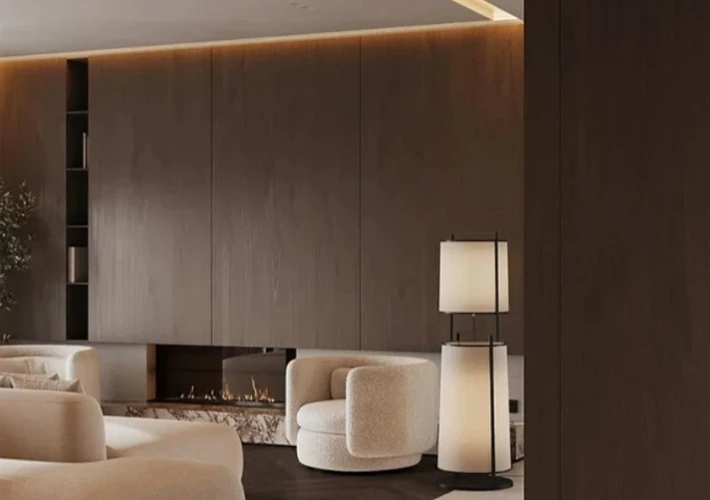
For international distributors and project contractors, standard walnut colors are a useful starting point. However, different markets often have different design preferences.
Some buyers prefer golden walnut shades, while others focus on darker American walnut patterns or muted smoked walnut finishes.
This is why manufacturing flexibility is an important factor when selecting a long-term supplier.
Custom Walnut Colors
AesthEdge supports decorative material sourcing and product customization according to project requirements and available production options.
Potential customization directions include:
- Light walnut.
- Natural walnut.
- American walnut.
- Dark walnut.
- Smoked walnut.
- Red walnut-inspired patterns.
- Custom brown shades.
- Special decorative wood grain designs.
For custom orders, buyers should provide reference images, physical samples, or color specifications whenever possible.
Digital images are useful for initial communication, but they cannot guarantee an exact color match because screen settings and lighting conditions affect color appearance.
A physical sample approval process is recommended before mass production.
Custom Surface Finishes
Depending on the selected product series and manufacturing availability, buyers can discuss different decorative surface options, such as:
- Matte finishes.
- Glossy finishes.
- Skin-feel surfaces.
- Wood grain embossed textures.
- High-definition decorative films.
- Other customized surface effects.
The final selection should consider the target market, project budget, design requirements, and expected usage conditions.
Custom Panel Dimensions
Project contractors and wholesalers may require different panel dimensions for different applications.
Customization discussions can include:
- Panel width.
- Panel length.
- Panel thickness.
- Decorative pattern direction.
- Edge treatment.
- Installation compatibility.
Before confirming a customized specification, buyers should consider whether the dimensions can be efficiently packed and shipped.
Factory Quality Control
For bulk orders, quality control should cover both the substrate and the decorative surface.
A practical factory inspection process may include:
- Raw material inspection.
- Substrate production monitoring.
- Panel dimension checks.
- Surface color inspection.
- Decorative film and coating inspection.
- Finished product inspection.
- Packaging inspection before shipment.
AesthEdge aims to support B2B customers with product selection, specification communication, and decorative material sourcing.
Our objective is to help distributors and project buyers obtain suitable products for their target markets rather than simply supplying decorative panels without considering the final application.
Packaging and International Shipping
Packaging is an important consideration for decorative wall panel exports.
During international transportation, panels may experience vibration, stacking pressure, and handling impacts.
Buyers should discuss:
- Protective film.
- Corner protection.
- Carton or other suitable packaging.
- Pallet requirements.
- Moisture protection where appropriate.
- Product labels.
- Shipping marks.
- Container loading arrangements.
For large-volume orders, confirming packaging dimensions and loading quantities before production can help improve shipping efficiency.
Frequently Asked Questions About Walnut Bamboo Charcoal Wall Panels
Q1. What Is the Most Popular Walnut Color for Bamboo Charcoal Wall Panels?
Natural walnut is a versatile choice because its medium-brown appearance works with many interior design styles.
Light walnut is also popular for modern residential and hospitality projects, while dark walnut and American walnut are frequently considered for luxury commercial interiors.
The best choice depends on the target market, room lighting, furniture colors, and project positioning.
Q2. Are Walnut Bamboo Charcoal Wall Panels Made from Real Walnut Wood?
Not necessarily.
Walnut bamboo charcoal wall panels generally use a bamboo charcoal-based composite substrate with a decorative surface designed to imitate walnut wood.
They are different from solid walnut timber panels.
Buyers should review the product composition and technical specifications to understand the actual material structure.
Q3. Which Finish Looks Most Like Natural Walnut Wood?
Embossed wood grain and synchronized texture finishes can create a more realistic wood-inspired appearance because they add tactile depth to the decorative surface.
High-definition walnut decorative films can also reproduce detailed grain patterns.
The actual effect depends on the manufacturer’s surface technology and product quality.
Q4. Is Matte or Glossy Walnut Better for Interior Wall Decoration?
Matte walnut is generally suitable for large wall surfaces, modern interiors, and projects that prefer a natural, understated appearance.
Glossy walnut creates stronger reflections and may be more suitable for selected decorative feature areas.
For most wood-inspired commercial wall applications, matte and textured finishes are practical starting options.
Q5. Are Walnut Bamboo Charcoal Wall Panels Waterproof?
Water resistance depends on the specific substrate formulation, decorative surface, joints, and installation system.
Buyers should not assume that every bamboo charcoal wall panel is completely waterproof.
For bathrooms, kitchens, and other moisture-prone areas, request relevant test information and confirm that the complete wall system is suitable for the intended application.
Q6. Can Walnut Bamboo Charcoal Wall Panels Be Used in Hotels?
Yes, they can be considered for suitable hotel interior applications, including guest room feature walls, corridors, reception areas, and decorative backgrounds.
However, the selected product must meet the hotel’s technical specifications and applicable local building requirements.
Fire performance, indoor air quality, surface durability, and cleaning requirements should be verified before installation.
Q7. Can Manufacturers Customize Walnut Colors and Patterns?
Many manufacturers offer customization options depending on their production technology and decorative film availability.
Possible options include light walnut, natural walnut, American walnut, dark walnut, smoked walnut, and customized grain patterns.
Buyers should confirm minimum order quantities, sample approval procedures, production lead times, and customization costs.
Q8. What Is the MOQ for Walnut Bamboo Charcoal Wall Panels?
The minimum order quantity varies depending on the product series, panel dimensions, decorative film, and customization requirements.
Standard colors may have different MOQ requirements from customized decorative designs.
For an accurate quotation, buyers should provide their preferred color, dimensions, estimated order quantity, and destination market.
Q9. How Should Walnut Bamboo Charcoal Wall Panels Be Maintained?
Maintenance instructions depend on the surface coating.
For general interior maintenance, buyers should follow the manufacturer’s recommendations.
Typical care practices may include:
- Cleaning with a soft cloth.
- Using suitable mild cleaning solutions.
- Avoiding abrasive cleaning tools.
- Removing stains promptly.
- Avoiding harsh chemicals unless approved by the manufacturer.
The cleaning method should always be tested on an inconspicuous area first.
Q10. How Can Importers Choose a Reliable Walnut Bamboo Charcoal Wall Panel Supplier in China?
Importers should evaluate more than the supplier’s quoted price.
Important factors include:
- Manufacturing experience.
- Product range.
- Customization capabilities.
- Sample quality.
- Quality control procedures.
- Technical documentation.
- Packaging standards.
- Export experience.
- Communication efficiency.
- After-sales support.
A reliable supplier should be able to explain product specifications clearly and provide samples before bulk purchasing.
Conclusion: Choose the Right Walnut Colors and Finishes with AesthEdge
Walnut bamboo charcoal wall panels offer international buyers a flexible decorative solution for modern residential, hospitality, and commercial interiors.
From light walnut and natural walnut to American walnut, dark walnut, and smoked walnut, each color creates a different visual atmosphere. Similarly, matte, glossy, skin-feel, embossed, and high-definition wood grain finishes provide additional opportunities to differentiate decorative product collections.
For importers and wholesalers, the most important purchasing considerations include color consistency, surface quality, product specifications, customization flexibility, technical documentation, and reliable factory supply.
At AesthEdge, we understand that B2B buyers need more than attractive decorative designs. They also need dependable product information, flexible sourcing options, and practical support for wholesale and project orders.
As a China-based decorative wall material supplier, AesthEdge provides product solutions covering bamboo charcoal wood veneer, WPC wall panels, SPC wall panels, acoustic panels, and other interior decorative materials.
Whether you are a building material importer, furniture manufacturer, interior design company, hotel contractor, or wholesale distributor, our team can help you explore suitable walnut colors, decorative finishes, and product specifications for your market.
Looking for a reliable walnut bamboo charcoal wall panel supplier in China?
Contact AesthEdge to request product catalogs, walnut color samples, technical specifications, and wholesale quotations.