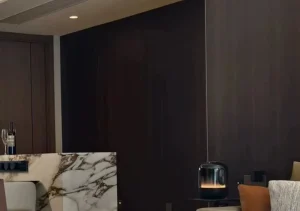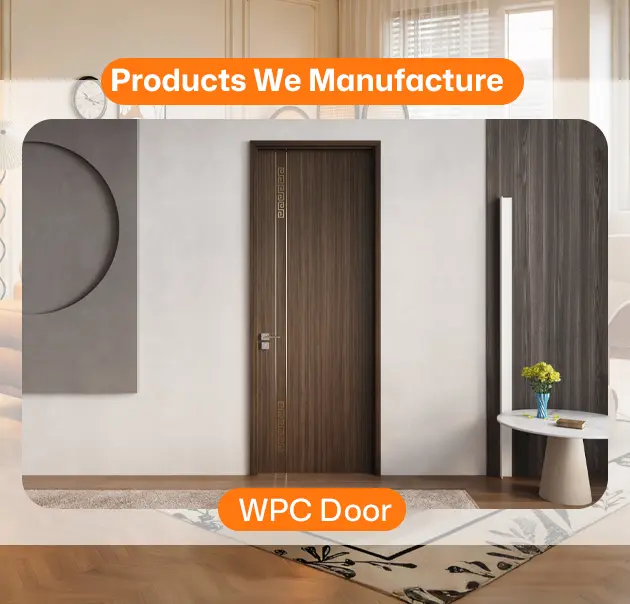
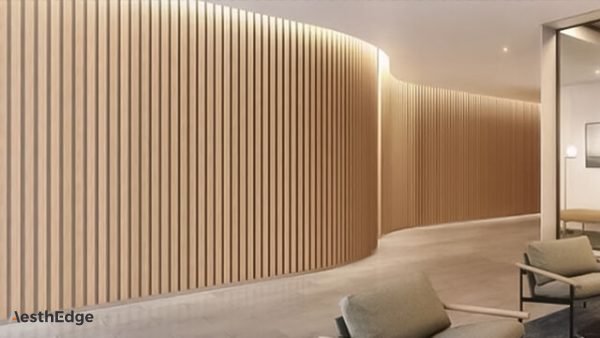
PS Wall Panel, short for Polystyrene Wall Panel, is a decorative and functional construction material made from polystyrene (PS), a synthetic polymer. PS wall panels are gaining traction in the building and interior design industries due to their affordability, ease of installation, and excellent physical properties. These panels are widely used in both residential and commercial projects for a range of applications, offering an eco-friendly, cost-effective alternative to traditional building materials like drywall, plaster, and tiles.
This detailed guide provides a thorough understanding of PS wall panels, including their production process, features, applications, advantages, and emerging trends in the market.
Definition of PS Wall Panels
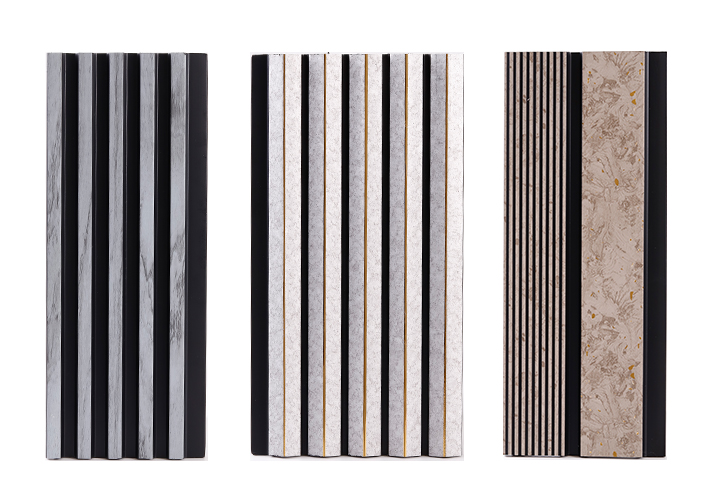
PS wall panels are prefabricated panels made primarily from polystyrene, a thermoplastic polymer. The key feature of PS panels is their lightweight construction, which makes them easier to handle, transport, and install compared to heavier materials like concrete or traditional drywall. These panels are available in various designs, finishes, and sizes, allowing them to be customized for a wide range of applications.
Polystyrene is chosen for its insulating properties, durability, and ease of molding into different shapes and sizes. The material is used in both rigid and foam forms, with foam-based panels often featuring a cellular structure that enhances their insulation capabilities.
PS Wall Panels vs. Other Decorative Wall Panel Materials
PS wall panels are one of several decorative wall covering solutions available in today’s building materials market. For importers, wholesalers, and project contractors, understanding how PS panels compare with PVC, WPC, and MDF wall panels is essential when selecting products for different applications.
PS wall panels are primarily manufactured from polystyrene, offering lightweight construction, flexible decorative designs, and convenient processing. PVC wall panels are generally selected for their moisture resistance and easy maintenance, while WPC panels combine wood-based components with polymer materials to provide a different balance of appearance and physical performance. MDF panels, on the other hand, are commonly used for interior decorative applications where surface finishing and dimensional stability are important considerations.
The following table summarizes their general characteristics.
| Material | Main Characteristics | Common Applications |
|---|---|---|
| PS | Lightweight, easy to shape, decorative | Interior wall decoration |
| PVC | Moisture-resistant, easy to clean | Bathrooms, kitchens |
| WPC | Wood-like appearance, versatile profiles | Feature walls, commercial interiors |
| MDF | Smooth surface, suitable for finishing | Furniture and interior decoration |
For B2B buyers, the best material depends on the project environment, target market, installation requirements, expected service life, and overall purchasing budget. Comparing samples and technical specifications is recommended before placing bulk orders.
Production Process of PS Wall Panels
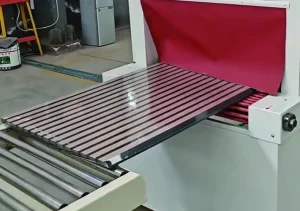
The production of PS wall panels involves several steps, from material preparation to final surface treatments. Below is a detailed breakdown of the key stages in the manufacturing process:
1.Raw Material Preparation
Polystyrene pellets or beads are the primary raw material used in the production of PS wall panels. These pellets are typically derived from petroleum-based monomers, but environmentally friendly alternatives are being explored. The raw polystyrene is chosen for its lightweight properties, thermal insulation capacity, and ease of processing.
2.Extrusion Molding
Once the raw materials are prepared, they are heated and melted to form a homogeneous plastic mass. The molten polystyrene is then fed into an extrusion machine, where it is shaped into continuous sheets or profiles. This process ensures that the material has a consistent thickness and smooth surface, making it suitable for further processing.
The extrusion process can also incorporate additives such as fire retardants, UV stabilizers, and colorants to enhance the panel’s properties. For example, fire-resistant PS panels are manufactured by introducing flame retardant chemicals into the mix during extrusion.
3.Foaming (Optional)
Some PS wall panels are made from foamed polystyrene, where gas is introduced into the molten polymer to create a cellular structure. This step is essential for improving the insulation properties of the panel. The foamed structure also adds to the lightweight nature of the material, which is one of the main advantages of PS panels.
4.Surface Treatment
After the panel is formed, various surface treatments are applied to enhance its aesthetic appeal and functionality. These treatments may include:
- Lamination: The panel surface is coated with a decorative layer, such as laminate, PVC, or metal films, which can mimic the appearance of natural materials like wood, stone, or marble.
- Embossing: Patterns or textures can be pressed onto the surface to create unique finishes that add visual interest.
- UV Printing: In some cases, high-definition digital printing techniques are used to create custom designs, patterns, or graphics on the panels.
- Coating: Protective coatings may be applied to improve the durability and resistance of the panels against UV degradation, scratches, or moisture.
5.Cutting and Shaping
Once the panels are extruded and treated, they are cut into the desired lengths and shapes based on customer specifications. Some manufacturers offer custom sizes to meet specific project requirements, such as wall coverings for unique architectural features or spaces with irregular dimensions.
Quality Control Standards for PS Wall Panel Manufacturing
For importers and wholesale distributors, production quality is just as important as product appearance. A reliable PS wall panel manufacturer should maintain consistent quality control throughout the production process to reduce product defects and ensure stable performance across bulk orders.
Important quality control procedures include:
-
Raw Material Inspection: Checking the quality and consistency of polystyrene raw materials before production.
-
Dimensional Accuracy: Measuring panel thickness, width, length, and profile consistency.
-
Surface Inspection: Checking decorative finishes for scratches, uneven coatings, color differences, and visible defects.
-
Physical Performance Testing: Evaluating impact resistance, dimensional stability, and other relevant product characteristics.
-
Packaging Inspection: Ensuring that panels are adequately protected against scratches, deformation, and transportation damage.
For international orders, buyers should also request product specifications, available test reports, packaging details, and samples before confirming large-volume purchases.
These procedures help distributors maintain consistent product quality and reduce potential after-sales problems when supplying construction and interior decoration projects.
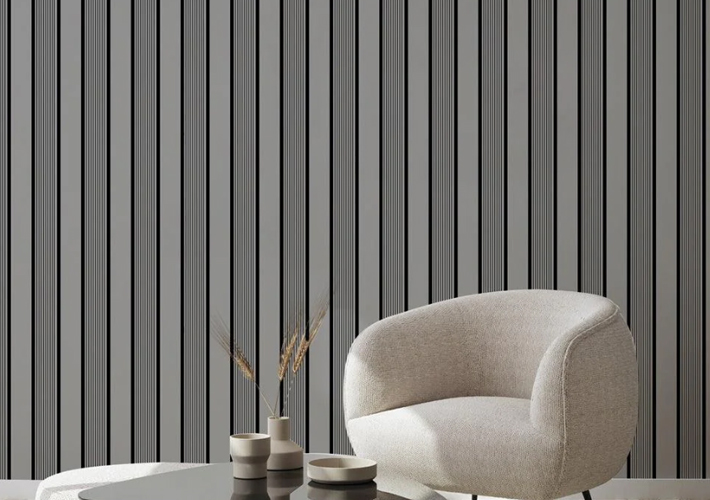
Features of PS Wall Panels
PS wall panels offer a variety of features that make them appealing for both residential and commercial applications. Some of the key characteristics include:
1.Lightweight and Easy to Handle
One of the standout features of PS wall panels is their lightweight nature. This makes them easier to transport, handle, and install compared to traditional building materials like cement or plaster. The reduced weight also lowers transportation costs and minimizes the labor required for installation, which can lead to significant cost savings for contractors.
2.Thermal Insulation
Polystyrene has inherent insulating properties, making PS wall panels an excellent choice for improving the energy efficiency of buildings. By reducing heat transfer through walls, these panels help maintain a comfortable indoor temperature and reduce the need for air conditioning or heating, resulting in lower energy consumption and utility bills.
3.Waterproof and Moisture-Resistant
PS wall panels are highly resistant to water and moisture, making them ideal for use in areas prone to humidity, such as bathrooms, kitchens, and basements. This moisture resistance also helps prevent the growth of mold and mildew, which can damage traditional building materials.
4.Sound Insulation
PS panels also provide sound insulation benefits due to their dense structure, which helps to reduce noise transmission between rooms. This feature is particularly valuable in commercial spaces or multi-family residential buildings where soundproofing is important.
5.Durability and Longevity
Despite their lightweight nature, PS wall panels are durable and resistant to physical wear and tear. They do not crack or degrade easily, even in challenging environmental conditions, making them a long-lasting solution for both interior and exterior applications.
6.Eco-Friendly
Polystyrene is a recyclable material, and many manufacturers now focus on producing PS wall panels that are fully recyclable at the end of their life cycle. Additionally, the energy savings provided by these panels contribute to their eco-friendly appeal.
7.Cost-Effective
Compared to traditional building materials like wood, concrete, or marble, PS wall panels are highly cost-effective. Their affordability, combined with the ease of installation and low maintenance costs, makes them an attractive option for both residential and commercial projects.
Key Factors to Consider When Purchasing PS Wall Panels in Bulk
Selecting PS wall panels for commercial distribution requires more than comparing the unit price. Importers and wholesalers should evaluate several important factors to determine whether a product is suitable for their target markets.
1. Panel Dimensions and Thickness
Panel dimensions influence installation efficiency, transportation costs, and project compatibility. Buyers should confirm the available width, length, and thickness before ordering. Custom dimensions may also be necessary for specific architectural projects.
2. Surface Designs and Color Options
Decorative appearance is an important purchasing consideration. Popular options may include wood grain, marble-inspired patterns, solid colors, and textured finishes. Suppliers offering multiple surface designs can help distributors serve different customer segments.
3. Material Composition
Buyers should understand the actual composition of the panel, including whether it is solid PS or foamed PS. Different structures may have different weight, strength, and insulation characteristics.
4. Fire Performance
Fire performance is particularly important for hotels, offices, commercial buildings, and public spaces. Buyers should request relevant fire-test reports and confirm whether the product meets the applicable regulations in the destination market.
5. Moisture and Temperature Resistance
For projects in humid or hot climates, buyers should evaluate the panel’s moisture resistance, dimensional stability, and temperature tolerance. Product suitability should be confirmed through technical documentation and testing.
6. Packaging and Transportation
PS wall panels are lightweight but may still be vulnerable to scratches, crushing, and deformation during transportation. Export packaging should be designed according to panel dimensions, shipping distance, and container loading requirements.
Evaluating these factors before purchasing helps importers select products that meet project requirements while maintaining competitive wholesale costs.
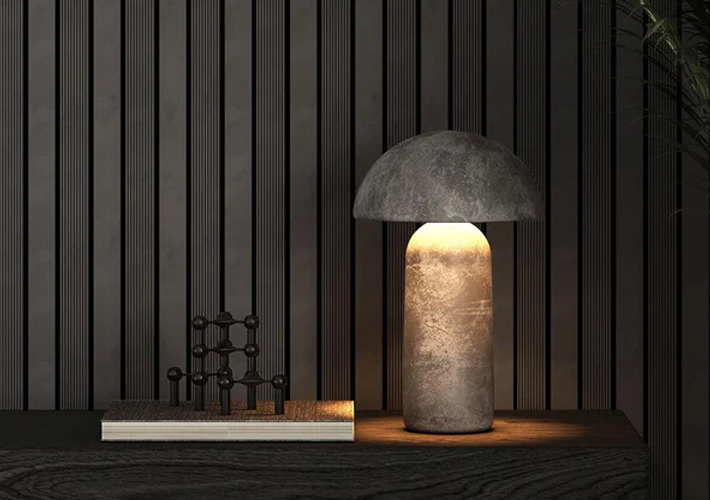
Applications of PS Wall Panels
PS wall panels are used in a wide range of applications, thanks to their versatility and cost-effectiveness. Some common uses include:
1.Interior Decoration
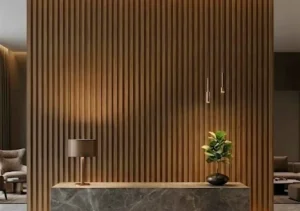
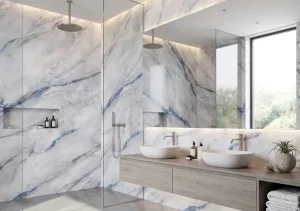
PS panels are often used for creating decorative wall coverings in residential interiors. Their ability to mimic the appearance of natural materials such as wood, marble, or stone allows homeowners and designers to achieve high-end looks without the associated costs.
2.Commercial Spaces
In commercial settings, PS wall panels are used in offices, retail stores, hotels, and restaurants to enhance the aesthetic appeal of the space. Their ease of installation and variety of finishes make them popular in high-traffic areas where durability and cost-effectiveness are essential.
3.Moisture-Prone Areas
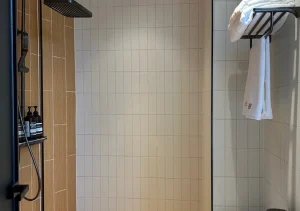
PS wall panels are ideal for moisture-prone environments, such as bathrooms, kitchens, and laundry rooms. Their resistance to water, mold, and mildew ensures a long-lasting finish in spaces exposed to high humidity.
4.Exterior Cladding
Some PS panels are also used for exterior cladding on buildings. While they are typically used in less harsh weather conditions, with additional UV-protective coatings, they can be utilized for façades, giving buildings an aesthetically pleasing and low-maintenance exterior.
5.Soundproofing
Due to their sound insulation properties, PS wall panels are used in soundproofing applications, such as in music studios, theaters, or offices in noisy environments. They help create quieter, more comfortable spaces by reducing external noise.
How to Choose the Right PS Wall Panels for Different Commercial Projects
Different commercial environments require different decorative wall panel specifications. Understanding the relationship between product characteristics and project requirements helps contractors, designers, and building material distributors make more suitable purchasing decisions.
| Project Type | Important Considerations | Recommended Selection |
|---|---|---|
| Hotels | Decorative appearance, maintenance, fire compliance | Premium finishes with verified specifications |
| Offices | Consistent appearance, installation efficiency | Standardized colors and dimensions |
| Retail Stores | Visual impact, design flexibility | Decorative patterns and customized finishes |
| Residential Developments | Cost efficiency, easy installation | Standard designs and practical dimensions |
| Restaurants | Cleaning requirements, moisture exposure | Suitable surface finishes with documented performance |
For hotel and commercial construction projects, product selection should also consider local building regulations, fire safety requirements, installation methods, and maintenance expectations.
PS wall panels are primarily decorative products. They should not automatically be considered structural wall materials or certified acoustic insulation systems unless the specific product has been tested and approved for those functions.
Why Importers and Distributors Choose Direct PS Wall Panel Manufacturers in China
China has an established building materials manufacturing industry, providing international buyers with access to a wide range of decorative wall panel products and customization services.
Working directly with a Chinese factory can offer several advantages for importers, wholesalers, and project contractors.
-
Competitive Factory Pricing: Direct sourcing helps buyers reduce intermediary costs and improve wholesale purchasing efficiency.
-
Product Customization: Manufacturers may offer different sizes, colors, surface finishes, and decorative patterns according to project requirements.
-
Bulk Production Capacity: Established factories can support larger orders and more consistent product supply.
-
Product Development: Direct communication with manufacturers makes it easier to discuss new designs and market-specific requirements.
-
Export Experience: Experienced suppliers can provide export packaging, product documentation, and shipping coordination.
However, buyers should evaluate manufacturers based on actual production capabilities, quality control procedures, sample consistency, and export experience rather than relying exclusively on quoted prices.
At AesthEdge, we focus on supplying decorative interior building materials to international B2B customers. Our product sourcing and manufacturing network supports buyers looking for practical wall decoration solutions for commercial and residential development projects.
For importers and distributors interested in PS wall panels and other decorative wall materials, working with a professional supplier can simplify product selection and bulk purchasing.
Future Trends in PS Wall Panels
1.Increased Sustainability
As environmental concerns continue to grow, there is a rising demand for sustainable building materials. PS wall panels are expected to evolve to become even more eco-friendly, with advancements in recycling technologies and the use of biodegradable additives in their production.
2.Technological Innovations
The ongoing development of advanced production technologies will likely improve the performance of PS wall panels. Innovations in flame retardancy, impact resistance, and moisture resistance will broaden the potential applications of PS panels, particularly in more demanding environments.
3.Smart Features
In the future, PS wall panels may integrate smart features, such as temperature-regulating coatings or embedded sensors for monitoring environmental conditions. These advancements could make PS panels even more versatile and appealing for modern, tech-savvy consumers.
4.Expansion into Emerging Markets
As construction and renovation activities increase in emerging markets, PS wall panels are likely to gain popularity due to their affordability and practicality. This trend is particularly evident in regions like Asia, Africa, and South America, where the demand for cost-effective building materials is on the rise.
Frequently Asked Questions About PS Wall Panels
1. What does PS stand for in PS wall panels?
PS stands for Polystyrene, a thermoplastic polymer commonly used in decorative building materials. PS wall panels are manufactured primarily from this material and are available in different shapes, sizes, textures, and surface finishes.
2. Are PS wall panels waterproof?
PS material has relatively low water absorption, but the actual moisture resistance of a finished wall panel depends on its composition, surface treatment, joints, and installation method. Buyers should request relevant test information before using PS panels in moisture-prone environments.
3. Are PS wall panels suitable for commercial buildings?
Yes, PS wall panels can be used for decorative applications in hotels, offices, retail stores, restaurants, and other commercial interiors. However, fire performance, durability, and compliance with local building regulations should be evaluated before project approval.
4. What is the difference between PS and PVC wall panels?
PS wall panels are made primarily from polystyrene, while PVC wall panels are manufactured from polyvinyl chloride. Both materials can be used for decorative wall coverings, but their physical properties, manufacturing processes, surface finishes, and application requirements differ.
5. Can PS wall panels be customized?
Many manufacturers offer customization options, including panel dimensions, colors, decorative patterns, surface textures, and packaging. The available options depend on the factory’s production equipment and minimum order requirements.
6. How do importers evaluate a PS wall panel manufacturer?
Importers should evaluate raw material quality, production capacity, dimensional consistency, surface finishing, quality control procedures, product documentation, export packaging, and sample consistency. Factory audits and pre-shipment inspections can provide additional assurance.
7. Are PS wall panels suitable for outdoor applications?
Not all PS wall panels are suitable for outdoor use. Prolonged exposure to sunlight, temperature changes, and weather conditions may affect product performance. Buyers should confirm UV resistance and outdoor suitability through manufacturer specifications and relevant testing.
8. Are PS wall panels environmentally friendly?
Polystyrene is technically recyclable, but actual recyclability depends on the material composition, local recycling infrastructure, and collection systems. Buyers should request relevant environmental documentation rather than assuming every PS wall panel is recyclable or environmentally certified.
Conclusion
PS wall panels represent a highly versatile and cost-effective solution for modern construction and decoration needs. Their lightweight, durable, and customizable properties make them an excellent choice for both residential and commercial applications. As technology advances and sustainability becomes a central focus in the building materials industry, PS wall panels are expected to play an increasingly important role in shaping the future of construction. Whether you’re a homeowner, contractor, or supplier, understanding the benefits of PS wall panels can help you make informed decisions for your next project.