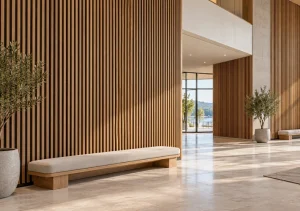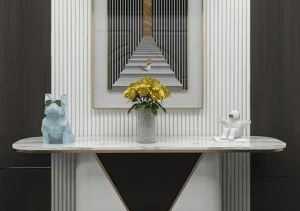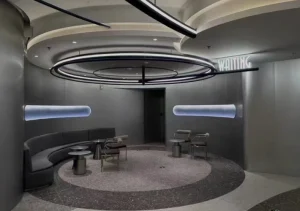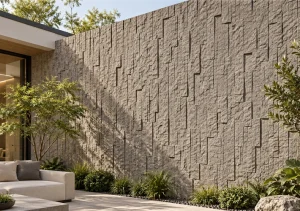
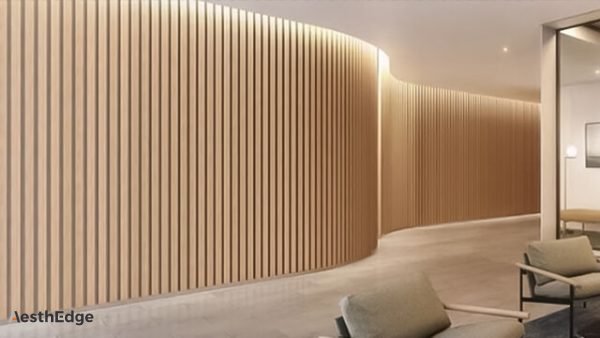
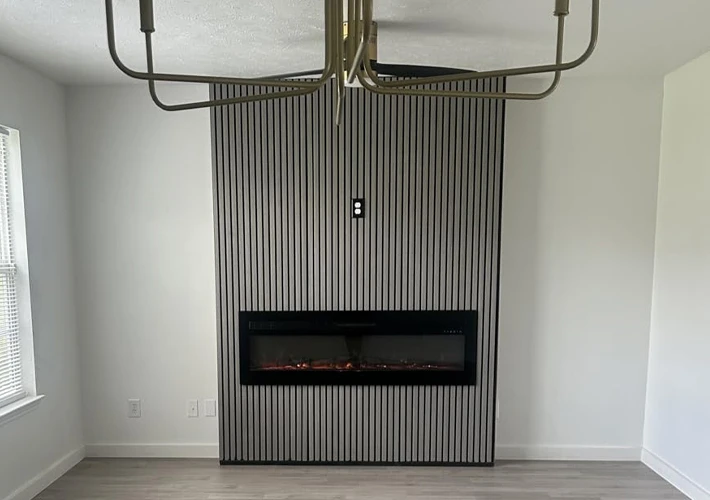
Acoustic wall panels are widely used in offices, hotels, studios, schools, commercial buildings, and modern residential interiors to improve sound quality and reduce noise reflections. With the growing awareness of acoustic comfort, these panels have become an important part of interior design and architectural planning.
However, acoustic wall panels are not a universal solution. Many buyers focus too much on their sound-absorbing advantages while overlooking their limitations. In real projects, misunderstanding these disadvantages may lead to higher costs, poor results, or even project failure.
As a professional acoustic wall panel manufacturer in China, we work with global B2B clients every year and often help them clarify whether acoustic panels are truly suitable for their projects. In this SEO-focused article, we objectively and comprehensively analyze the main disadvantages of acoustic wall panels, helping importers, wholesalers, designers, and contractors make more informed decisions.
Quick Answer: What Are the Main Disadvantages of Acoustic Wall Panels?
For most commercial and residential projects, the biggest disadvantages of acoustic wall panels include:
- Higher material and installation costs than standard wall finishes
- Limited effectiveness against low-frequency noise
- Reduced usable interior space due to panel thickness
- Dependence on proper acoustic design and professional installation
- Maintenance challenges, especially for fabric-covered panels
- Sensitivity to moisture in certain environments
- Inability to provide true soundproofing
While acoustic wall panels significantly improve sound quality and reduce echo, they should be viewed as part of a broader acoustic strategy rather than a complete noise-control solution.
In short: Acoustic wall panels improve acoustics but do not stop sound transmission, and their performance depends heavily on proper material selection and installation.
High Cost and Budget Pressure
One of the most noticeable disadvantages of acoustic wall panels is their higher overall cost compared to traditional wall finishes.
Material Cost
Acoustic wall panels are made from specially engineered sound-absorbing materials such as polyester fiber, mineral wool, wood wool cement, perforated MDF with acoustic backing, or fabric-wrapped fiberglass. These materials are designed to control reverberation and sound reflection, which naturally increases production costs.
Compared with ordinary wall materials like gypsum board, wallpaper, paint, PVC wall panels, or standard MDF boards, acoustic panels are significantly more expensive. For large-scale projects such as hotels, office buildings, conference centers, or schools, the cost difference becomes even more obvious.
Installation Cost
In addition to material costs, acoustic wall panels often require:
- Dedicated installation systems
- Acoustic backing or air gaps
- Skilled labor with acoustic knowledge
This results in higher labor and installation costs than conventional decorative wall materials. If professional acoustic consultants are involved, the budget may increase further.
Cost vs. Actual Demand
Not every space requires professional acoustic treatment. In low-noise environments, installing acoustic wall panels may lead to over-investment, where the acoustic improvement does not justify the expense.

Limited Performance at Low Frequencies
Another major disadvantage is that most acoustic wall panels are ineffective at absorbing low-frequency sounds.
Weak Bass Absorption
Standard acoustic wall panels perform well at mid and high frequencies such as speech noise and echoes, but they struggle with low-frequency sounds like bass, machinery vibration, or traffic noise. This is because low-frequency sound waves are longer and require thicker materials or special structures to absorb effectively.
Thin acoustic panels commonly used in interiors cannot provide sufficient bass control.
Need for Additional Systems
To address low-frequency problems, projects often need:
- Bass traps
- Resonant absorbers
- Thicker acoustic structures
- Combined ceiling and floor treatments
This increases both cost and space requirements, making acoustic wall panels incomplete as a standalone solution.
Space Occupation and Design Limitations
Acoustic wall panels inevitably take up physical space, which can be a drawback in many interior projects.
Reduced Usable Area
Acoustic panels are usually installed with mounting systems and air gaps to improve sound absorption. This increases wall thickness and reduces usable interior space. In small offices, apartments, hotel rooms, or meeting rooms, even a few centimeters of space loss can affect layout planning.
Impact on Interior Design
Thick or bulky panels may limit:
- Furniture placement
- Wall-mounted fixtures
- Visual openness
In minimalist or luxury interiors, acoustic wall panels may conflict with the desired aesthetic if not carefully designed.
Installation Complexity and Technical Dependence
Unlike decorative wall panels, acoustic wall panels require technical accuracy to achieve the expected performance.
Risk of Incorrect Installation
Common installation mistakes include:
- No air gap behind panels
- Poor sealing at edges
- Incorrect panel positioning
- Uneven spacing
These errors significantly reduce acoustic effectiveness, even if high-quality panels are used.
Need for Acoustic Planning
Proper acoustic panel installation should consider:
- Room dimensions
- Sound reflection points
- Reverberation time targets
- Intended use of the space
Without professional planning, acoustic wall panels may be installed randomly, leading to uneven sound absorption and disappointing results.
Reliance on Skilled Labor
In many markets, skilled acoustic installers are limited and expensive. This dependency can cause project delays and higher labor costs.
Durability, Maintenance, and Environmental Restrictions
Acoustic wall panels also present challenges in terms of maintenance and environmental adaptability.
Cleaning and Maintenance Issues
Most acoustic panels are porous, making them prone to:
- Dust accumulation
- Stains
- Odor absorption
Fabric-wrapped and felt panels are especially difficult to clean and cannot be washed easily. In public or high-traffic areas, maintenance becomes a long-term issue.
Moisture and Humidity Sensitivity
Many acoustic materials are sensitive to moisture and high humidity. Exposure can cause:
- Warping
- Mold growth
- Reduced acoustic performance
- Shortened service life
This makes acoustic wall panels unsuitable for bathrooms, kitchens, swimming pools, or coastal environments unless special moisture-resistant treatments are applied.
Fire Safety Considerations
Some acoustic panels contain polyester fibers, fabrics, or wood-based materials. Without proper fire-retardant treatment and certification, these panels may not meet local fire safety regulations, especially in commercial and public buildings.
Acoustic Wall Panels vs Soundproofing Systems
| Feature | Acoustic Wall Panels | Soundproofing Systems |
|---|---|---|
| Reduce Echo | Yes | Limited |
| Improve Speech Clarity | Yes | No |
| Block External Noise | No | Yes |
| Stop Sound Transmission | No | Yes |
| Installation Cost | Medium | High |
| Space Requirement | Low to Medium | High |
| Suitable for Offices | Yes | Sometimes |
| Suitable for Recording Studios | Usually Combined | Required |
This comparison highlights why acoustic wall panels should not be considered a substitute for professional soundproofing construction.
Not Soundproofing and Often Misunderstood
One of the most common misunderstandings is confusing acoustic wall panels with soundproofing systems.
Sound Absorption vs. Soundproofing
Acoustic wall panels are designed to:
- Reduce echo
- Improve sound clarity
- Control reverberation
They do not block sound transmission through walls or prevent noise from entering or leaving a room.
Additional Construction Needed
True soundproofing requires:
- Heavy wall structures
- Insulation layers
- Sealing systems
- Structural modifications
When buyers expect acoustic panels to solve noise leakage problems, disappointment is almost inevitable.
Are Acoustic Wall Panels Worth the Investment?
The answer depends on the project objectives.
Acoustic wall panels are generally worth the investment when:
- Reducing echo is a priority
- Speech intelligibility is important
- Customer comfort affects business performance
- Meeting rooms require better communication quality
- Hospitality environments seek improved guest experiences
However, they may not provide a strong return on investment when:
- The project mainly needs sound isolation
- The budget is extremely limited
- The installation environment has high humidity
- Low-frequency noise is the primary concern
For B2B buyers, understanding the specific acoustic target is essential before investing in acoustic wall panels.
Insights from Our Experience as an Acoustic Panel Manufacturer
As a China-based acoustic wall panel factory serving distributors, contractors, architects, and project developers worldwide, we have observed that more than 70% of project performance issues are not caused by product quality.
Instead, the most common causes include:
- Incorrect panel quantity calculations
- Poor placement of acoustic treatment
- Unrealistic expectations regarding soundproofing
- Lack of acoustic analysis before installation
- Selecting decorative panels instead of true acoustic products
Projects that combine proper acoustic planning with high-quality panels consistently achieve significantly better results than projects relying solely on product specifications.
Frequently Asked Questions
Do acoustic wall panels completely eliminate noise?
No. Acoustic wall panels reduce echo and reverberation but cannot completely eliminate noise. They improve sound quality rather than provide full sound isolation.
Can acoustic wall panels block sound from neighbors?
No. Acoustic wall panels absorb sound reflections inside a room but do not prevent sound transmission through walls. Additional soundproofing construction is required.
Are acoustic wall panels expensive?
Compared with standard wall finishes, acoustic wall panels are generally more expensive because they use specialized sound-absorbing materials and often require professional installation.
Can acoustic wall panels be installed in bathrooms?
Most standard acoustic panels are not recommended for bathrooms due to moisture exposure. Special moisture-resistant acoustic panels should be selected for wet environments.
How long do acoustic wall panels last?
High-quality acoustic wall panels can last 10–20 years or more when installed correctly and maintained in suitable indoor conditions.
What is the best alternative to acoustic wall panels?
The best alternative depends on project goals. Common options include:
- Acoustic ceiling systems
- Fabric-wrapped acoustic treatments
- Wood wool panels
- PET polyester panels
- WPC decorative wall systems
- Soundproof wall assemblies
Conclusion: Should You Choose Acoustic Wall Panels?
Acoustic wall panels are effective tools for improving indoor sound quality, but they also come with clear disadvantages:
- High initial and installation costs
- Weak low-frequency sound absorption
- Space occupation and design constraints
- Installation complexity
- Maintenance and durability challenges
- Fire, moisture, and environmental limitations
- Not a soundproofing solution
For successful projects, acoustic wall panels should be used correctly and strategically, often in combination with other building materials.
As a China-based acoustic wall panel factory, we always recommend that B2B buyers evaluate both the advantages and disadvantages before making purchasing decisions. In many projects, combining acoustic panels with materials such as WPC wall panels, PVC wall panels, or decorative boards can achieve a better balance between cost, performance, and aesthetics.
Key Takeaways
Before purchasing acoustic wall panels, buyers should remember the following:
✓ Acoustic panels improve sound quality but do not provide soundproofing
✓ Most panels perform best at mid and high frequencies
✓ Installation quality has a major impact on acoustic performance
✓ Moisture resistance and fire ratings should be evaluated carefully
✓ Acoustic panels work best as part of a complete acoustic design strategy
✓ Proper planning can significantly improve return on investment
For architects, contractors, distributors, and project developers, understanding these limitations helps ensure realistic expectations and successful project outcomes.
📩 Contact a Professional Acoustic Panel Manufacturer
If you are a wholesaler, distributor, contractor, or project developer looking for:
- Factory-direct acoustic wall panels from China
- Customized sizes, colors, and fire ratings
- Stable quality for export markets
- Professional technical support
👉 Contact us now to discuss your project requirements and receive a customized acoustic solution tailored to your market.