Introduction
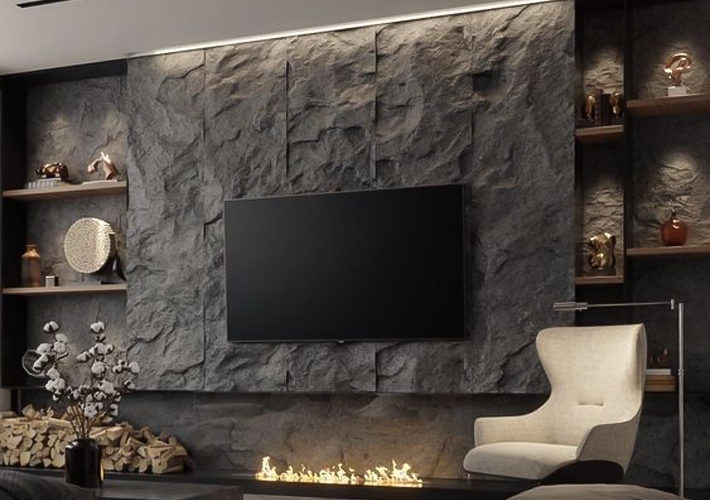
Faux stone panels have become a popular choice for both residential and commercial applications, offering an aesthetically pleasing alternative to traditional stone while often being more cost-effective and easier to install. As the market evolves, understanding the price trends of these panels can provide valuable insights for manufacturers, suppliers, and consumers alike. This article delves into the price trends of 4 x 8 faux stone panels over the past five years, exploring the various factors that have influenced these changes and offering projections for the future.
Quick Answer: How Have 4 x 8 Faux Stone Panel Prices Changed?
The price of 4 x 8 faux stone panels has changed significantly over the past five years due to fluctuations in raw material costs, transportation expenses, labor, supply chain conditions, and market demand.
In general, prices increased sharply between 2020 and 2022 as global supply chains were disrupted and raw material costs rose. Since then, pricing in many markets has gradually stabilized as manufacturing capacity and logistics conditions improved.
However, there is no single fixed price for a 4 x 8 faux stone panel. The final cost can vary depending on the panel material, thickness, surface design, fire resistance requirements, order quantity, country of origin, shipping distance, and whether the buyer is purchasing from a local distributor or directly from a manufacturer.
For wholesale and project buyers, factory-direct purchasing and larger order volumes may result in a significantly different unit price compared with retail pricing.
Overview of Faux Stone Panels
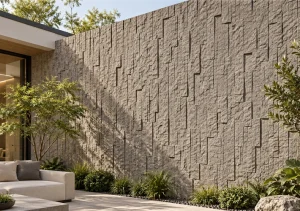
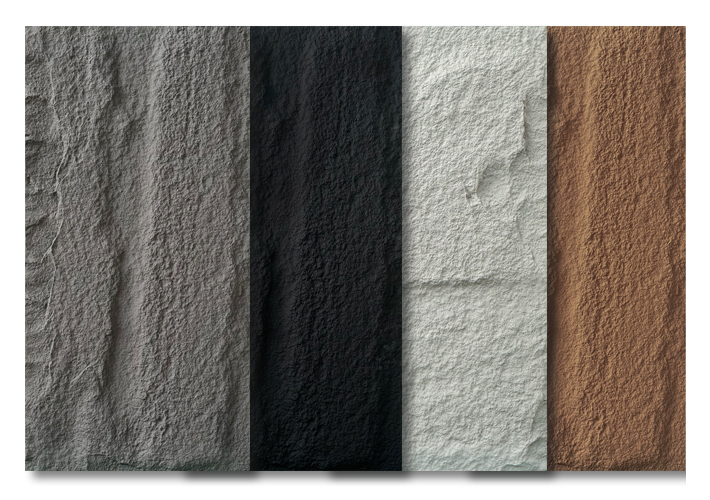
Faux stone panels are designed to replicate the look of natural stone while being made from synthetic materials such as polyurethane or polystyrene. These panels are lightweight, easy to install, and available in a wide range of styles, making them suitable for various applications, including exterior siding, interior feature walls, and landscaping.
What Is a 4 x 8 Faux Stone Panel?
A 4 x 8 faux stone panel is a large-format decorative wall panel designed to reproduce the appearance and texture of natural stone. The standard 4 x 8 size generally refers to a panel measuring approximately 4 feet by 8 feet, although actual dimensions can vary between manufacturers.
These panels are commonly made from materials such as polyurethane, polystyrene, PVC-based composites, or other engineered materials. Compared with natural stone, faux stone panels are typically lighter and easier to transport and install.
They are commonly used for:
- Interior feature walls
- Commercial spaces
- Hotels and restaurants
- Retail stores
- Exterior decorative walls
- Residential renovation projects
- Basement and fireplace surrounds
The price of a panel depends not only on its size but also on the material formulation, density, surface finish, durability, installation requirements, and production method.
Factors Influencing Prices
Several factors contribute to the pricing of faux stone panels:
- Raw Material Costs: The cost of the materials used to manufacture faux stone panels can fluctuate significantly. Over the past five years, prices for petroleum-based products have seen notable changes due to global market dynamics.
- Production Costs: Labor costs, manufacturing processes, and technological advancements also play a role in determining the final price of faux stone panels. Increased automation and efficiency in production may help mitigate some cost increases.
- Market Demand: The demand for faux stone panels has been influenced by trends in construction and renovation. A surge in home improvement projects, especially during the pandemic, has driven up demand and, consequently, prices.
- Geopolitical Factors: Trade policies and tariffs, particularly those affecting raw materials, can significantly impact pricing. For instance, tariffs on imported goods can lead to higher prices domestically.
- Environmental Regulations: As sustainability becomes a priority in the construction industry, manufacturers may face increased costs related to compliance with environmental regulations. This shift can affect the pricing of faux stone panels.
What Determines the Price of a 4 x 8 Faux Stone Panel?
The price of a 4 x 8 faux stone panel is influenced by several product and purchasing factors.
1. Panel Material
Different materials have different production costs and performance characteristics. Polyurethane panels may offer more detailed surface textures and lightweight properties, while other materials may be selected based on cost, durability, moisture resistance, or application requirements.
2. Panel Thickness and Density
Thicker or higher-density panels generally require more raw material and may have higher production costs. Buyers should compare thickness and density rather than evaluating products based only on price per panel.
3. Surface Design and Manufacturing Process
Panels with highly detailed stone textures, deep embossing, hand-painted finishes, or customized colors may cost more than standard designs.
4. Fire, Moisture, and Weather Resistance
Projects that require specific performance standards may involve different materials or production processes, which can affect the final price.
5. Order Quantity
Wholesale buyers usually evaluate pricing based on order volume rather than individual panel pricing. Larger orders may reduce the average cost per panel by improving production efficiency and reducing packaging and logistics costs per unit.
6. Shipping and Destination Market
Transportation costs can significantly affect the landed price of 4 x 8 faux stone panels, especially because large-format decorative panels require careful packaging and occupy considerable container space.
For this reason, buyers should distinguish between factory price, FOB price, CIF price, and local retail price when comparing suppliers.
Historical Price Data (2019-2024)
- 2019: The average price of 4 x 8 faux stone panels was approximately $30 to $40 per panel, with steady demand from the construction sector.
- 2020: The COVID-19 pandemic disrupted supply chains, leading to shortages. Prices increased to an average of $40 to $55 per panel as manufacturers struggled to meet demand.
- 2021: As economies reopened and demand surged, prices rose further to around $55 to $70 per panel. Material shortages continued to impact production costs.
- 2022: With ongoing inflation and raw material constraints, prices peaked at approximately $70 to $85 per panel. Consumers faced delays and higher costs for their projects.
- 2023: The market began to stabilize, with average prices decreasing to around $60 to $75 per panel as supply chains gradually improved.
- 2024: Currently, the average price of 4 x 8 faux stone panels is approximately $55 to $70 per panel, reflecting ongoing market adjustments and improved supply conditions.
Important Note About Historical Price Comparisons
Historical price ranges for 4 x 8 faux stone panels should be viewed as general market references rather than universal prices.
The same type of panel can have substantially different prices depending on the country, sales channel, product specifications, and order quantity. For example, a retail price in North America may be significantly different from a factory-direct export price from China.
When comparing historical pricing, buyers should consider whether the quoted price includes:
- Product cost only
- Packaging
- Inland transportation
- International shipping
- Import duties
- Distributor margins
- Installation accessories
Therefore, the most useful way to compare faux stone panel prices is to compare products with similar specifications and under the same trade terms.
Comparative Analysis
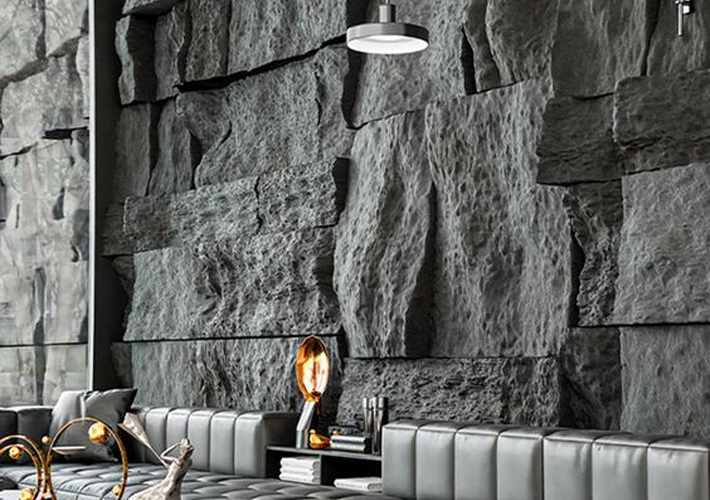
A comparative analysis of different types of faux stone panels reveals price variations based on material, brand, and regional factors. For example, polyurethane-based panels tend to be more expensive than polystyrene options, reflecting the differences in manufacturing processes and material properties. Additionally, regional pricing disparities can arise due to local demand, transportation costs, and market competition.
Factory Price vs Wholesale Price vs Retail Price
When researching the cost of 4 x 8 faux stone panels, buyers may encounter several different pricing levels.
| Pricing Type | Typical Buyer | Main Characteristics |
|---|---|---|
| Factory Price | Importers, wholesalers, distributors | Usually based on MOQ and product specifications |
| Wholesale Price | Contractors and bulk buyers | May include supplier or distributor margins |
| Project Price | Commercial projects | Based on total quantity and technical requirements |
| Retail Price | Individual homeowners | Usually includes higher distribution and retail costs |
For importers and distributors, comparing factory prices can provide a clearer understanding of the product’s base cost. However, the lowest factory price does not always represent the lowest total procurement cost.
Buyers should also evaluate product quality consistency, packaging, production capacity, lead time, customization capability, quality control, and shipping experience.
Future Projections
Experts predict that the prices of faux stone panels will continue to evolve in the coming years. Factors such as technological advancements in manufacturing, shifts in consumer preferences towards sustainable materials, and potential regulatory changes will play a crucial role in determining future pricing trends.
What Can Buyers Expect From Faux Stone Panel Prices?
Looking ahead, faux stone panel pricing is likely to remain dependent on both global manufacturing conditions and product differentiation.
Several trends may influence future purchasing decisions:
Greater Demand for Lightweight Building Materials
Contractors and renovation companies are increasingly interested in materials that can reduce installation time and transportation complexity. Lightweight faux stone panels may continue to benefit from this trend.
More Customized Designs
Standard stone textures are widely available, but commercial projects increasingly require customized colors, finishes, dimensions, and branding. Customized products may have higher development and production costs.
Increased Focus on Total Procurement Cost
Professional buyers are becoming less focused on the initial panel price alone. Instead, they may evaluate the total cost of ownership, including transportation, installation efficiency, maintenance requirements, and product durability.
More Direct Factory Purchasing
Importers, distributors, and large project buyers may increasingly work directly with manufacturers to obtain customized specifications, more stable supply, and better control over procurement costs.
For this reason, future faux stone panel pricing will likely become more diversified rather than moving uniformly in one direction.
Frequently Asked Questions About 4 x 8 Faux Stone Panel Prices
How much does a 4 x 8 faux stone panel cost?
The price depends on the material, thickness, design, supplier, order quantity, and market. Retail prices and factory-direct prices can vary significantly, so buyers should compare products with similar specifications and trade terms.
Why did faux stone panel prices increase between 2020 and 2022?
Global supply chain disruptions, increased raw material costs, transportation challenges, and strong demand from construction and renovation markets contributed to higher prices during this period.
Are polyurethane faux stone panels more expensive?
In many cases, polyurethane faux stone panels may cost more than lower-cost alternatives because of differences in material properties, production methods, surface detail, and performance. However, pricing should always be compared based on the complete product specification.
Is it cheaper to buy faux stone panels directly from a manufacturer?
For wholesalers, distributors, and large project buyers, direct purchasing from a manufacturer can potentially reduce intermediary costs. However, buyers should also consider MOQ requirements, shipping costs, import duties, quality control, and after-sales support.
What should importers compare when requesting a quotation?
Importers should compare panel dimensions, thickness, material, density, surface finish, packaging, MOQ, production lead time, customization options, and Incoterms such as EXW, FOB, or CIF.
Will faux stone panel prices continue to increase?
Future prices will depend on raw material costs, manufacturing efficiency, transportation expenses, market demand, and regional economic conditions. Rather than relying on a general market prediction, buyers should request updated quotations for their specific product requirements.
Conclusion
Understanding the price trends of 4 x 8 faux stone panels is essential for stakeholders in the construction and design industries. By keeping abreast of market dynamics and price fluctuations, manufacturers, suppliers, and consumers can make informed decisions that align with their needs and budget.
Checklist: How to Compare 4 x 8 Faux Stone Panel Suppliers
Before choosing a supplier, consider the following questions:
- What material is the panel made from?
- What are the actual dimensions and thickness?
- What is the panel density or weight?
- Is the product suitable for indoor, outdoor, or both applications?
- Are customization options available?
- What is the minimum order quantity?
- What is the production lead time?
- How are the panels packaged for international shipping?
- What quality control process does the manufacturer use?
- What Incoterms are available for international orders?
By comparing these factors, buyers can make a more meaningful comparison than simply choosing the supplier with the lowest quoted price.