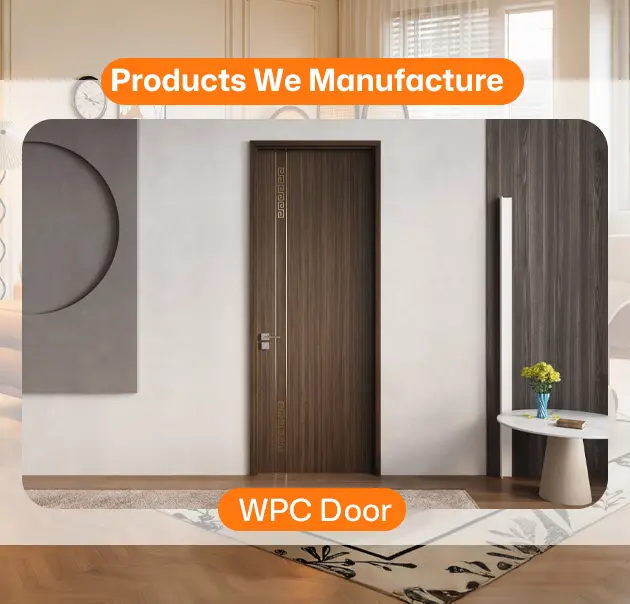
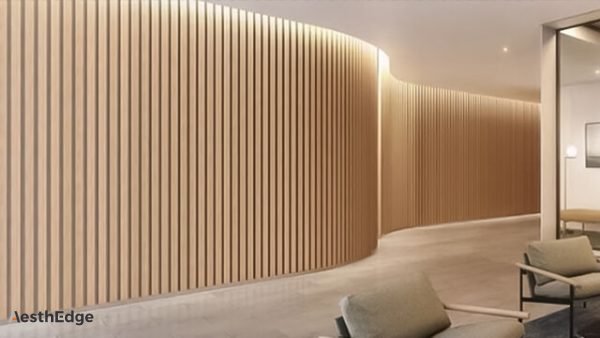
In recent years, WPC (Wood Plastic Composite) ceiling panels have become an increasingly popular choice in the world of interior design and construction. Known for their durability, aesthetic appeal, and eco-friendly composition, these panels offer a versatile and practical solution for various settings, from residential to commercial spaces. This article will delve into the characteristics, benefits, and applications of WPC ceiling panels, providing you with a comprehensive understanding of this innovative material.
Quick Answer: What Are WPC Ceiling Panels?
WPC ceiling panels are ceiling materials made from a combination of wood fibers and polymer materials. They are designed to provide the natural appearance of wood while offering improved moisture resistance, dimensional stability, low maintenance, and design flexibility. Depending on the product structure and formulation, WPC ceiling panels can be used for residential ceilings, commercial interiors, hospitality projects, semi-outdoor spaces, and decorative feature ceilings.
For buyers comparing WPC with traditional wood, metal, PVC, or other ceiling materials, the most important factors are panel composition, dimensions, surface finish, moisture resistance, fire performance, installation method, customization options, and the manufacturer’s quality control. The right choice depends on whether the project prioritizes appearance, d

What are WPC Ceiling Panels?
WPC ceiling panels are made from a blend of wood fibers and plastic materials, often combined with additives to enhance performance. This hybrid composition results in a material that combines the natural appearance of wood with the durability and ease of maintenance associated with plastic. Typically manufactured through extrusion or molding processes, WPC ceiling panels can be customized in terms of color, texture, and dimensions to meet diverse aesthetic and functional needs.
Advantages of WPC Ceiling Panels
WPC ceiling panels come with numerous advantages that set them apart from traditional ceiling materials. Below are some of the most prominent benefits:
1.Durability and Longevity
- WPC panels are highly resistant to moisture, humidity, and temperature fluctuations, making them suitable for both indoor and outdoor use. They are less prone to warping, cracking, or rotting, ensuring a long lifespan even in challenging environments.
2.Eco-Friendly Composition
- As a composite material, WPC utilizes recycled wood fibers and plastics, reducing the demand for virgin materials and minimizing waste. Many manufacturers use sustainable sources, which makes WPC a more environmentally friendly option compared to pure wood or plastic.
3.Low Maintenance
- Unlike wood, which requires regular treatment, sealing, or painting, WPC ceiling panels are low maintenance. They resist stains and are easy to clean, saving time and effort in upkeep.
4.Fire and Pest Resistance
- WPC ceiling panels are typically treated to enhance fire resistance, adding an extra layer of safety. Additionally, their synthetic content makes them naturally resistant to termites and other wood-boring pests.
5. Aesthetic Flexibility
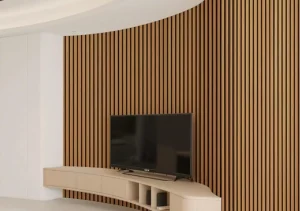
- With WPC panels, you can achieve the warm, natural look of wood or a sleek, modern appearance depending on the design. They are available in a wide range of colors, finishes, and patterns, allowing for customization to match any interior style.
Why WPC Ceiling Panels Are Suitable for Commercial Projects
For commercial and large-scale projects, the value of WPC ceiling panels is not limited to appearance. Buyers usually evaluate the complete product lifecycle, including material consistency, installation requirements, maintenance, customization, and supply capability.
A reliable WPC ceiling panel supplier should be able to provide consistent dimensions, stable surface finishes, multiple colors or textures, and production according to project specifications. For contractors and distributors, customization can also be important because ceiling designs may require specific panel lengths, widths, colors, textures, or matching accessories.
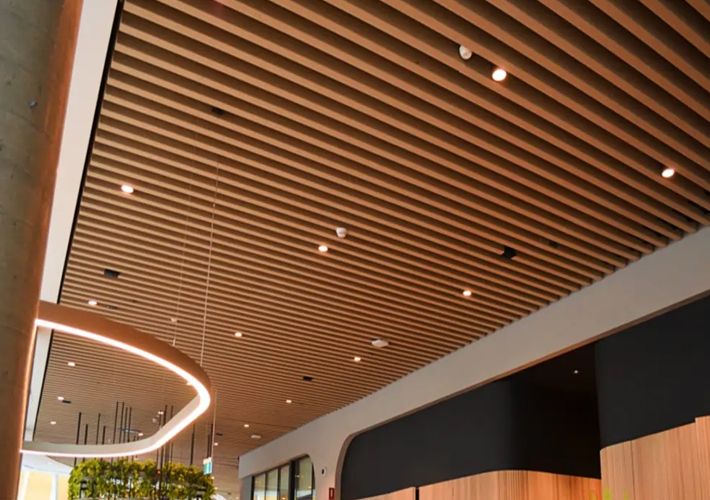
Another consideration is installation efficiency. Depending on the panel design, WPC ceiling systems can be installed on wooden or metal frameworks using mechanical fasteners, adhesives, clips, or interlocking structures. A well-designed installation system can reduce installation complexity and help contractors achieve a cleaner finished surface.
For hospitality, retail, office, and other commercial environments, buyers should also evaluate cleaning requirements, moisture exposure, fire-performance requirements, expected service conditions, and local building regulations before selecting a specific WPC ceiling product.
Types of WPC Ceiling Panels
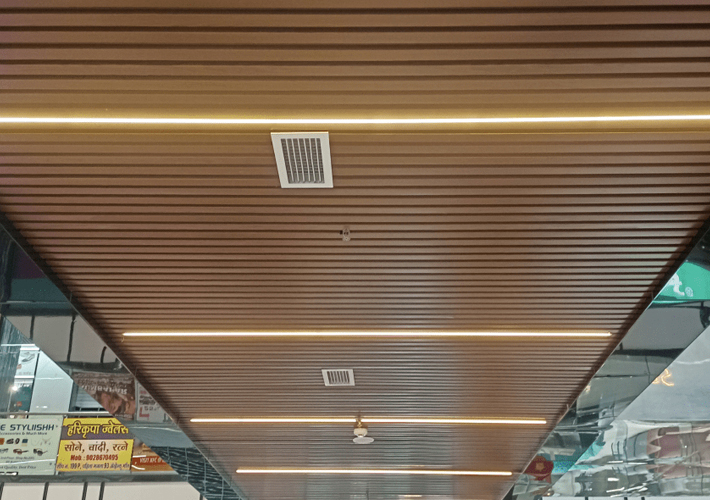
WPC ceiling panels come in several types, each suited for different applications:
1.Flat Panels
- These panels offer a smooth, even surface, ideal for minimalistic or modern designs. They are often used in commercial settings where a clean, professional look is desired.
2.Textured or Embossed Panels
- Textured panels mimic the appearance of wood grain, stone, or other natural materials, adding depth and character to a space. They are popular in residential interiors where a touch of warmth is sought.
3.Perforated Panels
- Perforated WPC panels are designed for acoustic purposes, making them ideal for spaces that require sound absorption, such as conference rooms, theaters, or music studios.
4.Customizable Panels
- Many manufacturers offer customizable options, allowing clients to specify dimensions, colors, and finishes that align with unique design requirements.
How to Choose the Right WPC Ceiling Panel
The best WPC ceiling panel depends on the requirements of the project rather than on appearance alone. Buyers can use the following general selection logic:
| WPC Ceiling Panel Type | Main Characteristics | Typical Applications |
|---|---|---|
| Flat WPC Panels | Clean and simple surface | Offices, retail stores, modern interiors |
| Textured or Embossed Panels | Decorative wood-grain or patterned appearance | Hotels, restaurants, residential interiors |
| Perforated WPC Panels | Designed for decorative and acoustic applications | Conference rooms, studios, auditoriums |
| Custom WPC Panels | Custom dimensions, colors, textures, or finishes | Large commercial and architectural projects |
When selecting a product, buyers should also confirm the panel dimensions, thickness, installation system, surface treatment, moisture exposure, fire-performance requirements, and available accessories. For projects involving multiple rooms or large quantities, it is also important to request samples before confirming bulk production.
Applications of WPC Ceiling Panels
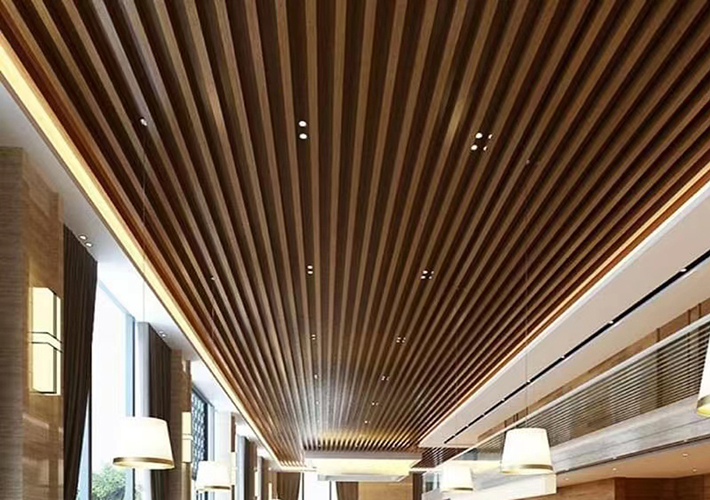
Thanks to their versatility and durability, WPC ceiling panels are used in a wide range of environments:
1.Residential Spaces
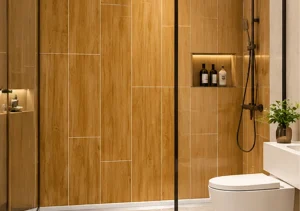
- In homes, WPC ceiling panels are ideal for living rooms, bedrooms, and kitchens, providing a modern, stylish ceiling option that requires little maintenance. They are particularly suited for areas prone to moisture, such as bathrooms.
2.Commercial Settings
- Office buildings, restaurants, and retail stores benefit from the professional, polished look of WPC panels. The acoustic properties of certain WPC designs also make them popular in conference rooms and auditoriums.
3.Outdoor and Semi-Outdoor Areas
- Due to their weather resistance, WPC ceiling panels are suitable for patios, balconies, and outdoor lounges, creating a cohesive indoor-outdoor aesthetic.
4.Educational and Healthcare Facilities
- In schools, hospitals, and other facilities where cleanliness and durability are key, WPC ceiling panels provide a practical solution. Their fire resistance and ease of maintenance add to their suitability for these environments.
WPC Ceiling Panels in Hotels, Restaurants, and Commercial Interiors
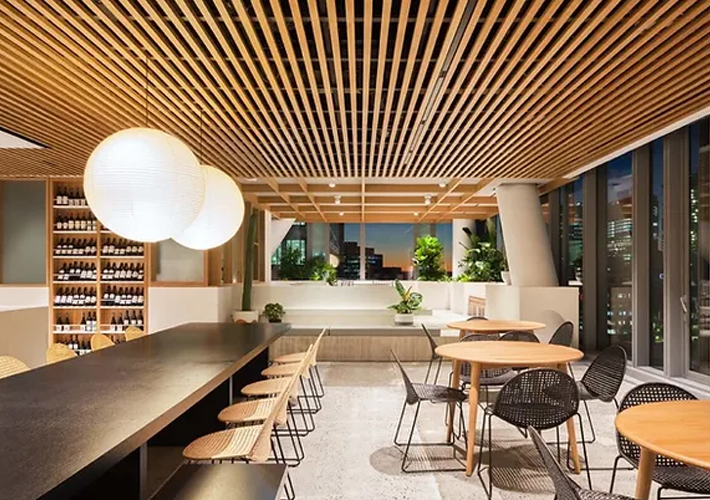
WPC ceiling panels are particularly suitable for projects where ceiling design needs to combine decorative appeal with practical performance. In hotels, they can be used in guest rooms, corridors, reception areas, restaurants, lounges, and other interior spaces where a wood-inspired finish is desired.
In restaurants and retail environments, textured or wood-grain WPC panels can create a warmer visual atmosphere while reducing the maintenance requirements associated with natural wood. In offices and meeting rooms, selected WPC ceiling systems can also be combined with acoustic design strategies to improve the overall indoor environment.
For contractors and project buyers, WPC ceiling panels can be especially attractive when the project requires a consistent appearance across multiple areas. A manufacturer that offers custom colors, textures, dimensions, and coordinated accessories can help simplify sourcing for larger projects.
Installation Process of WPC Ceiling Panels
Installing WPC ceiling panels is generally straightforward, involving a few simple steps that can be completed by professionals or DIY enthusiasts. Here is an outline of the installation process:
1.Preparing the Surface
- Ensure the ceiling surface is clean and dry. Any irregularities should be leveled out to ensure a smooth installation.
2.Setting Up the Framework
- A wooden or metal framework is usually installed first to support the panels. This frame acts as a secure base for the WPC panels to be attached.
3.Attaching the Panels
- WPC panels are affixed to the framework using screws, adhesives, or interlocking systems, depending on the design. It’s important to follow the manufacturer’s guidelines for spacing to accommodate expansion and contraction.
4.Finishing Touches
- After all panels are in place, trim pieces are often added to cover edges and corners, giving the ceiling a polished appearance.
Cost Considerations
The cost of WPC ceiling panels varies based on factors like panel thickness, finish, and brand. Generally, WPC panels offer a cost-effective alternative to traditional wood or metal ceilings due to their durability and low maintenance requirements. When calculating the overall cost, consider factors such as installation, any necessary framing materials, and maintenance savings over time.
What Affects the Cost of WPC Ceiling Panels?
There is no single fixed price for WPC ceiling panels because the final cost depends on the product specification and project requirements. The main factors normally include panel thickness, width and length, material formulation, surface finish, texture, color, customization level, order quantity, packaging, and shipping.
Installation can also have a significant impact on the total project budget. Buyers should therefore calculate the complete installed cost rather than comparing panel prices alone. The total cost may include WPC panels, framing materials, fasteners or adhesives, trims, labor, transportation, and other installation accessories.
For wholesale buyers and contractors, purchasing directly from a manufacturer can provide additional options for customized specifications and bulk orders. Before placing a large order, buyers should request a sample, confirm the technical specifications, and clarify production lead time, packaging requirements, quality standards, and after-sales support.
Future Trends in WPC Ceiling Panels
With the global demand for sustainable building materials rising, the future of WPC ceiling panels looks promising. Here are some key trends expected to shape the industry:
1.Sustainable Manufacturing Practices
- As more consumers and businesses prioritize eco-friendly options, manufacturers are adopting greener production methods, such as using recycled content and reducing energy consumption.
2.Technological Innovations
- Advances in WPC technology are leading to improved performance characteristics, such as enhanced durability, fire resistance, and color retention.
3.Integration with Smart Home Systems
- Future WPC panels may feature integrated lighting, sound systems, or climate control capabilities, blending aesthetics with functionality in smart home environments.
4.Expanding Customization Options
- With a growing emphasis on personalized interiors, manufacturers are offering more customization options, from unique textures and colors to innovative installation systems.
WPC Ceiling Panel Buyer Checklist
Before purchasing WPC ceiling panels for a construction or interior project, buyers should confirm the following points:
- Material composition: Check the main wood and polymer components and the manufacturer’s product specifications.
- Panel dimensions: Confirm standard or customized length, width, and thickness.
- Surface finish: Select the appropriate color, wood-grain effect, texture, or decorative finish.
- Performance requirements: Consider moisture resistance, dimensional stability, fire performance, and other requirements relevant to the project.
- Installation system: Confirm whether the panels require a metal or wooden framework, clips, screws, adhesive, or another fixing method.
- Accessories: Check whether trims, corner profiles, connectors, or other matching components are available.
- Sample approval: Request samples before mass production to verify color, texture, dimensions, and overall appearance.
- Supplier capability: For large projects, evaluate production capacity, quality control, customization capability, packaging, lead time, and export experience.
This checklist can help importers, distributors, contractors, architects, and project buyers compare WPC ceiling panel suppliers more systematically.
Conclusion
WPC ceiling panels offer a modern, eco-friendly alternative to traditional ceiling materials, suitable for various environments and design preferences. Their durability, aesthetic appeal, and minimal maintenance requirements make them a smart choice for both residential and commercial projects. As sustainability and technological innovations continue to shape the industry, WPC ceiling panels are poised to remain a popular and adaptable choice in interior design.
Whether you’re looking to enhance a residential space, create a professional office environment, or design a trendy restaurant, WPC ceiling panels provide an appealing and practical solution that meets modern standards. Explore the possibilities with WPC ceiling panels and discover how they can transform your space with minimal effort and long-lasting results.
Frequently Asked Questions About WPC Ceiling Panels
Are WPC ceiling panels suitable for humid environments?
WPC ceiling panels are generally more moisture-resistant than traditional untreated wood. However, the actual suitability depends on the specific product formulation, installation system, ventilation, and exposure conditions. Buyers should check the manufacturer’s technical specifications before using them in high-humidity areas.
Are WPC ceiling panels easy to maintain?
Yes. WPC ceiling panels generally require less maintenance than natural wood because they do not normally require regular painting, sealing, or similar treatments. Routine cleaning should follow the manufacturer’s recommendations.
Can WPC ceiling panels be customized?
Many WPC manufacturers offer customization of dimensions, colors, textures, surface finishes, and sometimes installation systems. Customization options should be confirmed before ordering.
Are WPC ceiling panels suitable for hotels and commercial projects?
Yes. WPC ceiling panels can be used in hotels, restaurants, offices, retail stores, and other commercial interiors. The appropriate product should be selected according to appearance, moisture exposure, fire-performance requirements, acoustic needs, and local building regulations.
How should buyers choose a WPC ceiling panel supplier?
Buyers should evaluate material quality, production capacity, customization capability, quality control, sample approval, packaging, lead time, technical support, and experience with international orders. For large projects, it is advisable to verify the product specification and approve samples before bulk production.