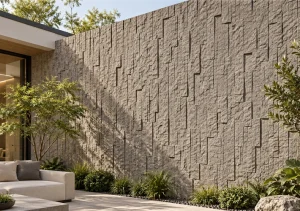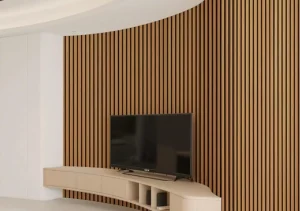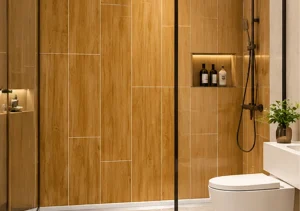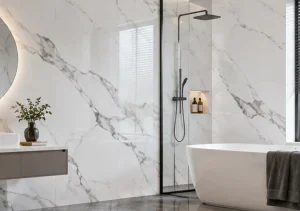
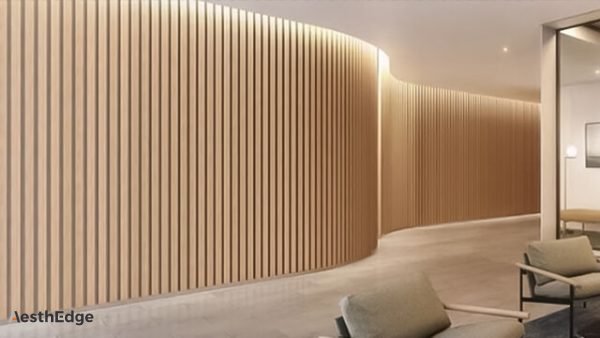
Flexible acoustic panels have become an increasingly popular solution in modern architecture and interior design. As buildings evolve toward more open, minimalist, and visually dynamic spaces, the demand for acoustic control solutions that are not only effective but also adaptable has grown rapidly. Unlike traditional rigid acoustic boards, flexible acoustic panels offer unique installation possibilities, creative freedom, and improved usability across complex surfaces.
As a professional Chinese factory and manufacturer, Aesthedge focuses on producing high-quality flexible acoustic panels for global B2B clients, including contractors, distributors, hotel project developers, office builders, and interior designers.
What Are Flexible Acoustic Panels?
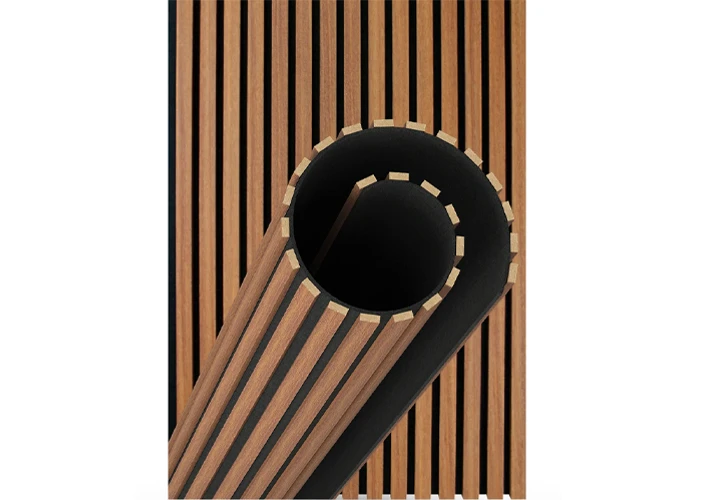
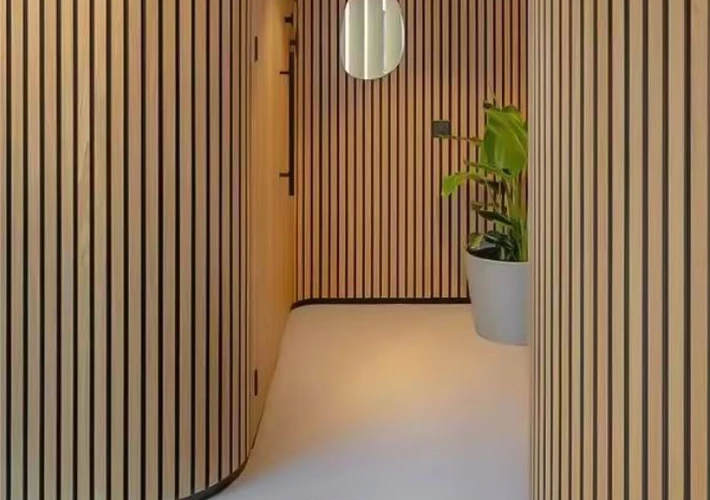
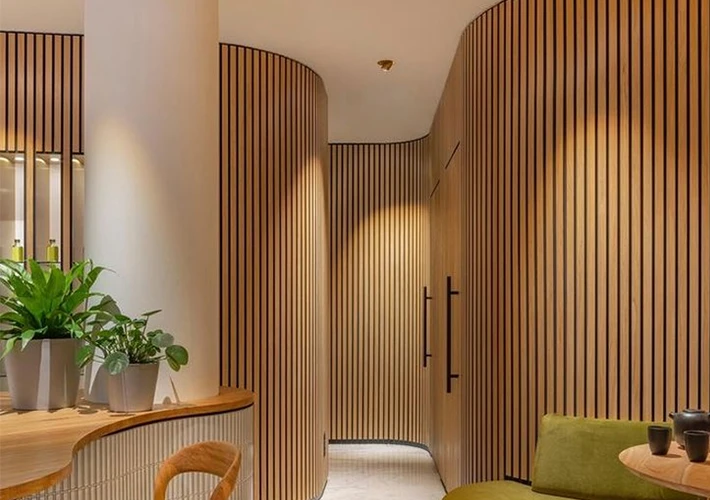
Flexible acoustic panels are sound-absorbing materials designed with bendable or semi-bendable structures that allow installation on curved, irregular, or non-flat surfaces. Unlike traditional rigid acoustic boards, they can adapt to:
- Curved walls
- Cylindrical columns
- Wave-shaped ceilings
- Irregular architectural structures
- Creative interior installations
They are typically made from materials such as:
- Polyester fiber (PET felt)
- PU foam composites
- Fabric-wrapped flexible cores
- Recycled acoustic fiber materials
The main purpose is to reduce noise, control reverberation, and improve acoustic comfort in indoor environments.
Advantages of Flexible Acoustic Panels
Flexible acoustic panels offer a wide range of benefits, especially for modern architectural projects that prioritize both aesthetics and performance.
1. Excellent Adaptability to Complex Surfaces
One of the biggest advantages is their high flexibility and adaptability. Traditional acoustic panels are limited to flat surfaces, but flexible panels can be installed on:
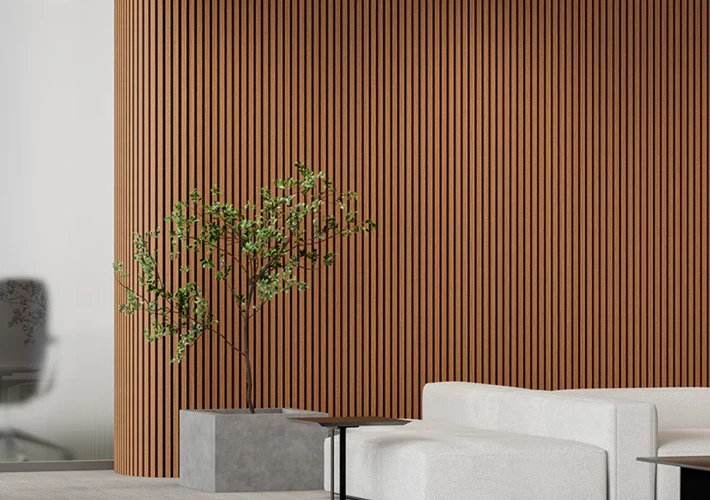
- Curved walls in hotel lobbies
- Cylindrical columns in shopping malls
- Wave ceilings in concert halls
- Artistic interior installations in offices
This makes them ideal for designers who want to maintain both acoustic performance and visual creativity.
2. Strong Acoustic Performance
Despite being flexible, these panels still deliver excellent sound absorption. They are designed to reduce:
- Echo (reverberation time)
- Background noise
- Sound reflection
This makes them suitable for:
- Offices (improving speech clarity)
- Restaurants (reducing crowd noise)
- Hotels (enhancing guest comfort)
- Schools (improving learning environments)
High-quality products like those from Aesthedge are engineered to balance flexibility with NRC (Noise Reduction Coefficient) performance.
3. Lightweight and Easy to Handle
Flexible acoustic panels are generally lightweight compared to gypsum boards or wooden acoustic panels. This provides several advantages:
- Easier transportation
- Lower labor costs
- Faster installation
- Reduced structural load on walls and ceilings
For large-scale commercial projects, this can significantly reduce overall construction time and budget.
4. Easy and Fast Installation
Installation is another major benefit. Flexible panels can often be installed using:
- Adhesive bonding
- Stapling systems
- Magnetic backing (in some systems)
- Modular mounting tracks
This reduces the need for heavy tools or complex framing systems. In renovation projects, this is especially valuable because it minimizes downtime.
5. High Design Freedom and Aesthetic Value
Modern architecture places strong emphasis on visual identity. Flexible acoustic panels allow designers to:
- Create wave-like wall patterns
- Build 3D artistic installations
- Integrate lighting with acoustic surfaces
- Customize shapes and layouts
They are not just functional materials but also decorative design elements.
6. Eco-Friendly Material Options
Many flexible acoustic panels, especially PET-based ones, are made from recycled materials such as plastic bottles. This supports:
- Sustainable building certifications (LEED, BREEAM)
- Reduced environmental impact
- Low VOC emissions (better indoor air quality)
As a manufacturer, Aesthedge prioritizes eco-friendly raw materials to support global green building trends.
7. Cost Efficiency in Large Projects
Although flexible acoustic panels may have a slightly higher unit price than basic foam materials, they often reduce total project cost by:
- Lower installation labor
- Reduced structural modification
- Faster project completion
- Less material waste during cutting and shaping
For contractors and developers, this makes them highly cost-effective in the long run.
Disadvantages of Flexible Acoustic Panels
While flexible acoustic panels offer many advantages, they are not perfect. Understanding their limitations is important for proper project planning.
1. Lower Structural Rigidity
Because they are flexible, these panels generally lack the rigidity of:
- Wood acoustic panels
- MDF-based acoustic boards
- Cement fiber panels
This means they are not suitable for applications requiring strong impact resistance or load-bearing surfaces.
2. Limited Load-Bearing Capability
Flexible acoustic panels cannot support heavy objects such as:
- Mounted shelves
- Heavy decorative elements
- Structural fixtures
Additional support structures are needed if integration is required.
3. Surface Durability May Be Lower
Depending on the material type, flexible panels may be more prone to:
- Surface dents
- Scratches
- Fabric wear over time
This is especially true in high-traffic public spaces if low-quality materials are used.
4. Fire Resistance Varies by Material
Not all flexible acoustic panels have the same fire rating. Some low-cost versions may not meet strict building codes. High-quality manufacturers like Aesthedge provide:
- Fire-retardant PET panels
- B1 or Class A fire-rated options (depending on specification)
However, buyers must carefully confirm compliance for commercial projects.
5. Limited Sound Insulation (Compared to Dense Materials)
Flexible acoustic panels are mainly designed for sound absorption, not full sound insulation. This means:
- They reduce echo inside a room
- They do NOT fully block sound transmission between rooms
For full acoustic isolation, additional wall systems are required.
6. Installation Quality Affects Performance
If not installed properly, performance may decrease. Common issues include:
- Improper spacing between panels
- Poor adhesive application
- Incorrect placement in acoustic hotspots
Professional installation is recommended for optimal results.
Applications of Flexible Acoustic Panels
Flexible acoustic panels are widely used across multiple industries due to their versatility.
1. Commercial Spaces
- Offices
- Meeting rooms
- Co-working spaces
They improve speech clarity and reduce noise distractions.
2. Hospitality Industry
- Hotels
- Resorts
- Restaurants
- Bars
They help create a quieter, more comfortable guest experience.
3. Educational Institutions
- Classrooms
- Lecture halls
- Libraries
They improve learning environments by controlling echo and noise.
4. Cultural and Entertainment Venues
- Theaters
- Exhibition halls
- Music studios
They help optimize sound quality and acoustic balance.
5. Residential Projects
- Modern apartments
- Luxury villas
- Home theaters
They provide both acoustic comfort and decorative appeal.
How to Choose High-Quality Flexible Acoustic Panels
When selecting flexible acoustic panels, buyers should consider the following factors:
1. Material Composition
Look for:
- High-density PET fiber
- Eco-friendly recycled materials
- Stable flexible structure
2. Acoustic Performance (NRC Rating)
Higher NRC values indicate better sound absorption. Commercial projects usually require NRC 0.7 or higher.
3. Fire Rating Compliance
Ensure the product meets local building regulations:
- Class A or B1 fire resistance recommended for public spaces
4. Flexibility Level
Depending on project needs:
- Mild flexibility: slight curves
- High flexibility: wave shapes or cylindrical surfaces
5. Supplier Capability
Choosing a reliable factory like Aesthedge ensures:
- Stable quality control
- Custom design support
- OEM/ODM services
- Bulk production capacity
Installation and Maintenance Tips
Installation Tips
- Ensure surface is clean and dry
- Use proper adhesive for long-term bonding
- Plan layout before installation
- Avoid overstretching flexible panels
Maintenance Tips
- Regular dust cleaning with vacuum or soft brush
- Avoid strong chemical cleaners
- Inspect edges periodically in high-traffic areas
- Replace damaged panels individually if modular
Conclusion
Flexible acoustic panels represent a modern solution that combines acoustic performance, design flexibility, and installation efficiency. They are especially suitable for contemporary architecture where curved surfaces and creative interior designs are becoming standard.
However, like all materials, they also come with limitations such as lower structural rigidity and variable durability depending on quality.
For B2B buyers, contractors, and designers, selecting a reliable manufacturer is critical to ensuring performance and long-term value. As a professional Chinese factory, Aesthedge provides high-quality flexible acoustic panels designed for global commercial projects, offering customization, stable supply, and competitive pricing.
With the right material selection and proper installation, flexible acoustic panels can significantly enhance both the acoustic environment and visual impact of any space.