Introduction
As modern architecture continues to evolve, interior and exterior ceiling materials are becoming increasingly important in both residential and commercial projects. Property developers, architects, contractors, hotel owners, and homeowners are constantly searching for ceiling solutions that combine aesthetics, durability, affordability, and sustainability.
Among the many options available today, WPC ceiling panels have emerged as one of the most popular choices worldwide. Known for their attractive appearance, moisture resistance, low maintenance requirements, and long service life, WPC ceiling panels are now widely used in homes, hotels, shopping malls, offices, restaurants, and public buildings.
But what exactly are WPC ceiling panels? How do they compare to traditional ceiling materials? What applications are they suitable for, and how can you choose the right product for your project?
This comprehensive guide will answer all these questions and provide everything you need to know about using WPC ceiling panels effectively.
What Are WPC Ceiling Panels?
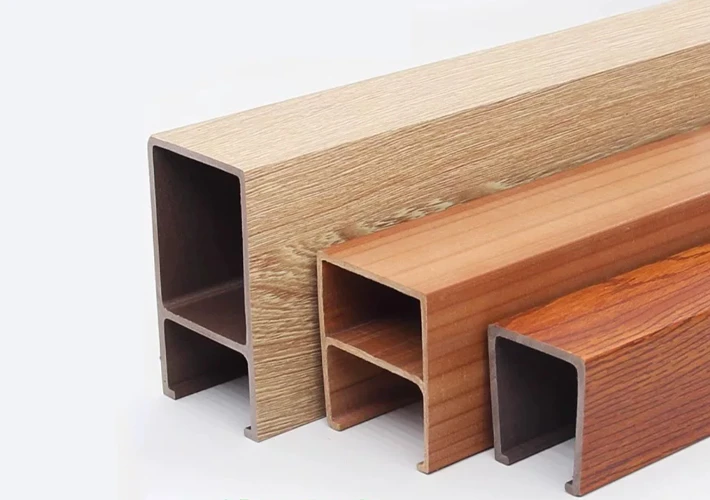
WPC stands for Wood Plastic Composite, a material made by combining natural wood fibers or wood powder with thermoplastic polymers and additives.
The result is a highly engineered material that combines the natural appearance of wood with the durability and performance of plastic.
A typical WPC ceiling panel contains:
- Wood fiber or wood flour
- PVC, PE, or PP resin
- Stabilizers
- UV-resistant additives
- Color pigments
- Flame-retardant agents (optional)
The manufacturing process involves mixing these materials under high temperature and pressure, followed by extrusion into various panel profiles.
The final product closely resembles natural wood but offers significantly better resistance to moisture, insects, warping, and environmental damage.
Main Features of WPC Ceiling Panels
- Waterproof
- Termite-resistant
- Mold-resistant
- Lightweight
- Easy to install
- Eco-friendly
- Long-lasting
- Low maintenance
- Attractive wood-like appearance
- Available in various colors and textures
These advantages have made WPC ceiling panels one of the fastest-growing ceiling materials in the global construction industry.
Why WPC Ceiling Panels Are Becoming So Popular
The popularity of WPC ceiling panels is driven by a combination of practical and aesthetic benefits.
Excellent Visual Appeal
Modern WPC ceiling panels can replicate:
- Oak wood
- Walnut wood
- Teak wood
- Maple wood
- Ash wood
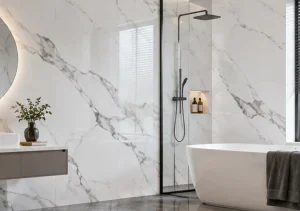
- Marble textures
- Fabric finishes
- Metallic finishes
Advanced embossing technology creates realistic grain patterns that are often difficult to distinguish from real wood.
Superior Moisture Resistance
Unlike traditional wooden ceilings, WPC panels do not absorb water easily.
This makes them ideal for:
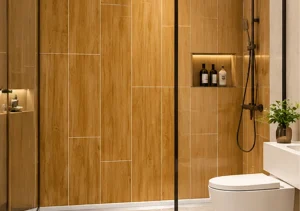
- Bathrooms
- Kitchens
- Laundry rooms
- Balconies
- Swimming pool areas
- Coastal buildings
Even in humid environments, they maintain their shape and appearance.
Long Service Life
A high-quality WPC ceiling panel can last 15–25 years or even longer with proper installation and maintenance.
Compared with gypsum boards or traditional wooden ceilings, replacement frequency is significantly reduced.
Minimal Maintenance
Traditional wood ceilings often require:
- Sanding
- Painting
- Sealing
- Anti-termite treatment
WPC ceilings eliminate most of these maintenance tasks.
Regular cleaning with a damp cloth is usually sufficient.
Environmentally Friendly
Many WPC products utilize recycled plastics and renewable wood fibers.
This reduces:
- Timber consumption
- Plastic waste
- Carbon footprint
As sustainable building practices gain importance globally, WPC products are becoming a preferred choice.
Common Types of WPC Ceiling Panels
Not all WPC ceiling panels are the same. Different profiles are designed for different architectural styles and project requirements.
Flat Ceiling Panels
Flat panels provide a clean and minimalist appearance.
Applications include:
- Offices
- Apartments
- Hotel rooms
- Meeting rooms
Grooved Ceiling Panels
Grooved designs create depth and visual interest.
Popular in:
- Luxury residences
- Hotels
- Retail stores
- Cafés
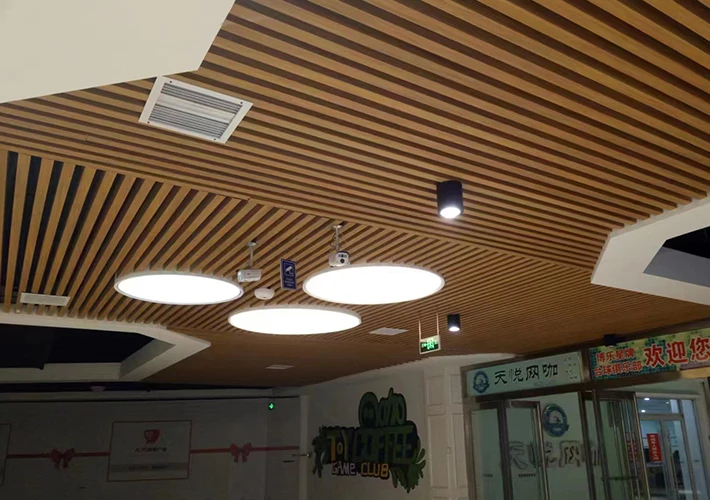
Slatted Ceiling Panels
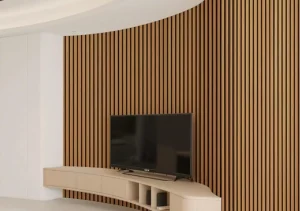
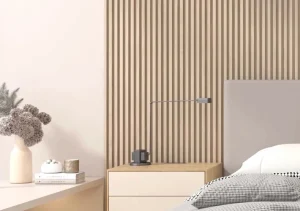
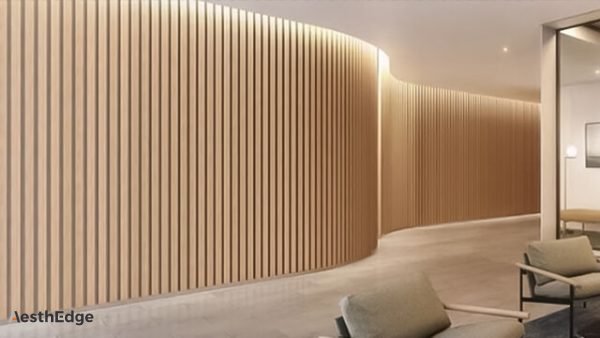
Slatted WPC ceilings have become one of the strongest design trends in recent years.
Advantages include:
- Modern aesthetics
- Better visual layering
- Enhanced acoustic performance
- Architectural appeal
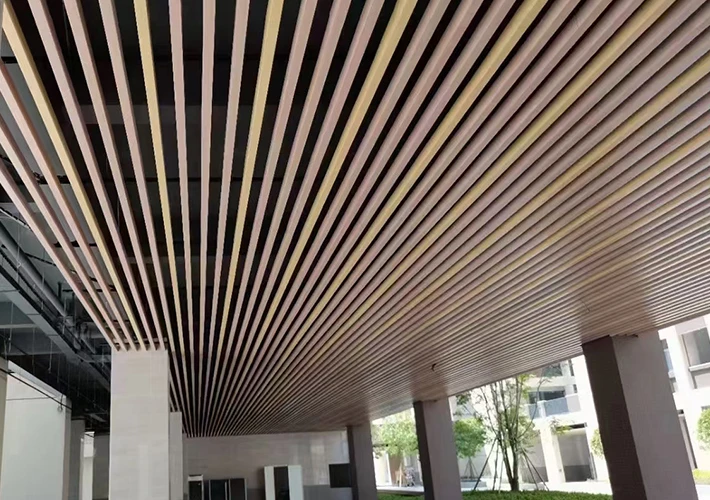
Outdoor WPC Ceiling Panels
Designed specifically for exterior applications.
Features include:
- UV resistance
- Weather resistance
- Moisture protection
- Color stability
Commonly used in:
- Outdoor terraces
- Resort buildings
- Covered walkways
- Building facades
Co-Extrusion WPC Ceiling Panels
A protective outer layer improves:
- Scratch resistance
- Stain resistance
- UV protection
- Color retention
These products are often selected for premium projects.
Where Can WPC Ceiling Panels Be Used?
One of the biggest advantages of WPC ceiling panels is their versatility.
Residential Applications
Homeowners increasingly use WPC ceilings in:
Living Rooms
Wood-textured ceilings create warmth and elegance.
Bedrooms
WPC panels help create a cozy and modern atmosphere.
Kitchens
Water resistance makes them ideal for areas exposed to steam and humidity.
Bathrooms
Unlike wooden ceilings, WPC panels resist swelling and mold growth.
Balconies
Outdoor-grade WPC ceilings can withstand changing weather conditions.
Commercial Applications
Commercial buildings benefit greatly from WPC ceilings.
Hotels
Hotels use WPC ceiling systems in:
- Guest rooms
- Corridors
- Lobbies
- Restaurants
- Conference halls
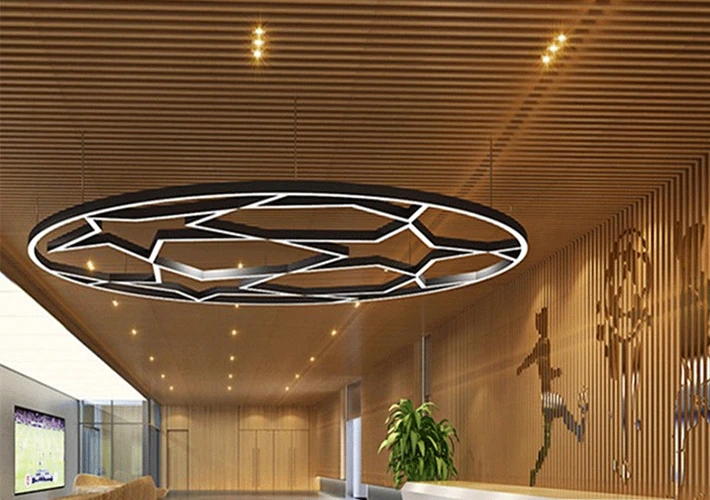
Offices
Modern office designs often incorporate slatted WPC ceilings to enhance aesthetics and acoustic comfort.
Shopping Malls
The durability of WPC reduces long-term maintenance costs.
Restaurants and Cafés
Wood-look ceilings create inviting environments while remaining easy to clean.
Public Buildings
Government buildings, schools, airports, and healthcare facilities also utilize WPC ceilings because of their durability and cost efficiency.
How to Choose the Right WPC Ceiling Panels
Selecting the right product is critical for achieving the desired performance and appearance.
Consider Installation Location
Indoor and outdoor environments require different specifications.
For outdoor projects, choose products with:
- UV resistance
- Weather resistance
- Enhanced protective layers
Evaluate Panel Thickness
Common thickness options include:
- 8mm
- 10mm
- 12mm
- 15mm
- 20mm
Thicker panels generally offer:
- Better rigidity
- Improved durability
- Enhanced acoustic performance
Check Surface Finishes
Available finishes include:
- Wood grain
- Embossed texture
- Sanded finish
- Matte finish
- High-gloss finish
Choose according to your design goals.
Review Fire Performance
Commercial projects often require fire-rated materials.
Look for products that comply with local building codes and fire safety standards.
Assess Color Options
Popular colors include:
- Walnut
- Teak
- Oak
- Coffee
- Gray
- White
- Black
Neutral colors remain the most versatile for modern interiors.
Verify Manufacturer Certifications
Reliable manufacturers typically provide:
- ISO certifications
- SGS testing reports
- CE certification
- Fire testing reports
- Environmental certifications
Always request technical documentation before purchasing.
Installation Guide for WPC Ceiling Panels
Proper installation ensures maximum product performance and longevity.
Step 1: Prepare the Ceiling Structure
Inspect the existing surface.
Ensure it is:
- Clean
- Dry
- Level
- Structurally sound
Step 2: Install the Framework
Most WPC ceilings are installed on:
- Steel framing
- Aluminum framing
- Wooden battens
Spacing should follow manufacturer recommendations.
Step 3: Measure and Cut Panels
Use professional cutting tools for accurate dimensions.
Allow small expansion gaps where necessary.
Step 4: Secure the Panels
Installation methods may include:
- Clips
- Screws
- Hidden fastening systems
Concealed fixing systems generally provide the best appearance.
Step 5: Install Finishing Accessories
Use matching:
- Corner trims
- End caps
- Joint covers
These accessories create a professional finish.
Step 6: Final Inspection
Check:
- Alignment
- Fasteners
- Surface cleanliness
- Joint consistency
A careful final inspection prevents future issues.
Maintenance and Cleaning Tips
One reason many architects prefer WPC ceilings is the low maintenance requirement.
Routine Cleaning
Dust can be removed using:
- Soft cloths
- Microfiber mops
- Vacuum cleaners
Removing Stains
Most stains can be cleaned with:
- Mild detergent
- Warm water
- Soft sponge
Avoid abrasive materials.
Prevent Excessive Impact
Although durable, WPC panels can still be damaged by heavy impacts.
Protect surfaces during renovations or equipment installation.
Annual Inspection
For outdoor ceilings, inspect annually for:
- Fastener condition
- Structural movement
- Drainage issues
Early maintenance extends service life.
Future Trends of WPC Ceiling Panels
The global WPC market continues to grow rapidly.
Several trends are shaping the future of WPC ceiling systems.
Smart Manufacturing
Advanced production technologies are improving:
- Surface realism
- Dimensional stability
- Material consistency
Sustainable Building Materials
Governments and developers increasingly prioritize environmentally friendly materials.
WPC products align well with green building objectives.
Large-Format Ceiling Systems
Architects are adopting larger panels to create seamless designs.
Benefits include:
- Faster installation
- Cleaner appearance
- Reduced joints
Acoustic WPC Ceilings
Noise control is becoming increasingly important.
Manufacturers are developing acoustic WPC ceiling solutions that combine aesthetics and sound absorption.
Customized Designs
Custom colors, textures, and profiles are becoming more accessible, allowing architects greater design flexibility.
Conclusion
WPC ceiling panels have transformed modern ceiling design by combining the beauty of natural wood with the durability of advanced composite materials.
Compared with traditional wood, gypsum, and PVC ceilings, WPC panels offer numerous advantages, including moisture resistance, termite protection, low maintenance, long service life, and excellent visual appeal.
Their versatility makes them suitable for residential homes, luxury hotels, commercial buildings, retail spaces, restaurants, offices, and outdoor architectural projects.
When selecting WPC ceiling panels, it is important to consider factors such as application environment, thickness, surface finish, fire performance, and manufacturer reliability. Proper installation and routine maintenance will ensure long-term performance and value.
As sustainable construction and modern architectural design continue to evolve, WPC ceiling panels are expected to play an even greater role in shaping the buildings of the future. For builders, architects, contractors, and property owners seeking a cost-effective and attractive ceiling solution, WPC ceiling panels remain one of the smartest investments available today.