Introduction
In recent years, bamboo charcoal wood veneer has become one of the most popular decorative materials in the global interior finishing market. It is widely used in residential, commercial, hotel, and retail projects due to its lightweight structure, environmental advantages, moisture resistance, and modern aesthetics. However, the surface finishing material applied to bamboo charcoal boards plays a decisive role in determining their appearance, durability, performance, and market competitiveness.
Among various surface options such as PET film, PP film, melamine paper, and natural wood veneer, PVC film stands out as one of the most widely adopted and cost-effective solutions. Especially in export-oriented production, PVC film offers a balanced combination of visual appeal, mechanical protection, stable quality, and scalable manufacturing, making it a preferred choice for bamboo charcoal wood veneer manufacturers and global buyers.
This article focuses on the topic “Benefits of Using PVC Film for Bamboo Charcoal Wood Veneer” and provides a comprehensive, in-depth analysis from a professional and B2B perspective. We will explore the technical, aesthetic, functional, economic, and commercial advantages of PVC film, as well as its value in export markets, quality control, and large-scale applications.
What Is PVC Film and Why Is It Used on Bamboo Charcoal Wood Veneer?
PVC film, also known as polyvinyl chloride decorative film, is a thermoplastic material produced through calendering or extrusion processes. It is widely used in furniture, wall panels, doors, cabinets, and decorative boards as a surface layer. PVC film can be manufactured in various thicknesses, textures, colors, and surface effects.
When applied to bamboo charcoal wood veneer, PVC film functions not only as a decorative layer but also as a protective and performance-enhancing surface. Through hot lamination or PUR lamination technology, PVC film forms a strong bond with the bamboo charcoal core, creating a stable composite panel.
From a commercial perspective, PVC film is favored because it allows manufacturers to achieve consistent quality, scalable production, and diversified design while keeping costs under control. This makes PVC-laminated bamboo charcoal veneer highly competitive in international markets.
Superior Aesthetic Performance and Design Flexibility
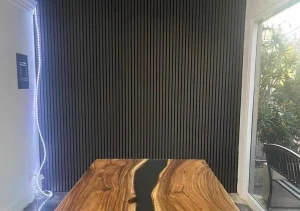
One of the most significant benefits of using PVC film for bamboo charcoal wood veneer is its outstanding decorative capability. PVC film can be produced in a wide variety of colors, textures, and surface finishes, meeting the aesthetic demands of different regions and design styles.
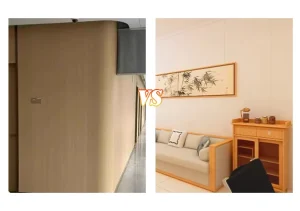
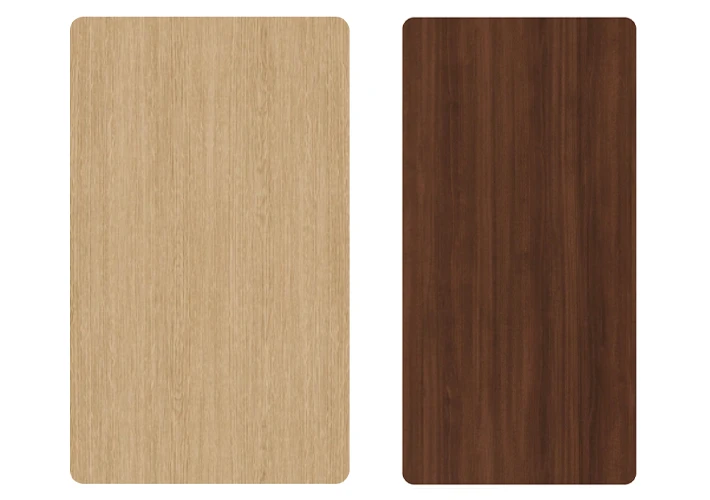
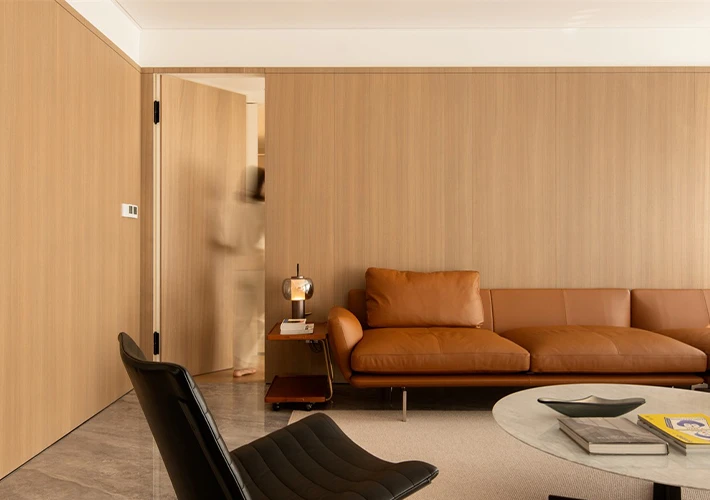
PVC film can accurately replicate natural materials such as oak, walnut, teak, marble, stone, fabric, and leather. Compared with natural wood veneer, PVC film offers greater uniformity, ensuring that large-scale projects maintain a consistent visual appearance across all panels.
In addition, PVC film supports multiple surface effects, including matte, high-gloss, embossed wood grain, deep texture, and soft-touch finishes. This design flexibility allows manufacturers to customize bamboo charcoal wood veneer products for residential interiors, luxury hotels, office spaces, and commercial projects worldwide.
Excellent Moisture Resistance and Environmental Adaptability
Bamboo charcoal boards are known for their basic moisture-regulating properties. When combined with PVC film, their resistance to water and humidity is significantly enhanced. The PVC layer acts as an effective barrier that prevents moisture penetration and reduces the risk of swelling, deformation, and mold growth.
This enhanced moisture resistance makes PVC film bamboo charcoal wood veneer particularly suitable for humid climates, coastal regions, kitchens, dry bathroom areas, and basements. For export buyers serving different climate zones, this stability is a major advantage.
PVC film also helps panels maintain dimensional stability under normal indoor temperature fluctuations, minimizing the risk of warping or surface delamination during long-term use.
High Durability, Surface Protection, and Easy Maintenance
PVC film provides a durable outer layer that significantly improves the surface strength of bamboo charcoal wood veneer. High-quality PVC films offer good resistance to scratches, minor impacts, and daily wear, which is especially important in high-traffic commercial environments.
In addition, PVC film surfaces are resistant to stains, oil, and common household chemicals. Cleaning and maintenance are simple, usually requiring only a damp cloth. Compared with painted or natural veneer surfaces, PVC film reduces long-term maintenance costs and enhances user satisfaction.
This combination of durability and low maintenance makes PVC-laminated bamboo charcoal veneer an ideal choice for hotels, shopping malls, offices, and rental properties.
Cost-Effectiveness and Commercial Value for Global Buyers
From a cost perspective, PVC film offers a strong advantage over many alternative surface materials. Its mature supply chain, stable raw material availability, and compatibility with automated lamination lines help manufacturers control production costs.
For B2B buyers, this translates into competitive pricing without compromising appearance or performance. PVC film is especially suitable for large-scale export orders, where consistency, delivery time, and cost control are critical.
The ability to produce standardized products efficiently also allows distributors and project contractors to manage inventory more effectively and reduce overall procurement risk.
Strong Compatibility with Bamboo Charcoal Core and Manufacturing Systems
PVC film shows excellent compatibility with bamboo charcoal boards during the lamination process. Whether using hot pressing or PUR lamination, PVC film can achieve strong adhesion, ensuring long-term surface stability without bubbling or peeling.
Another key advantage is weight control. PVC film adds minimal weight to bamboo charcoal boards, keeping the final panels lightweight. This reduces transportation costs, improves handling efficiency, and simplifies installation, which is particularly beneficial for export logistics and large interior projects.
Wide Application Scenarios in Global Markets
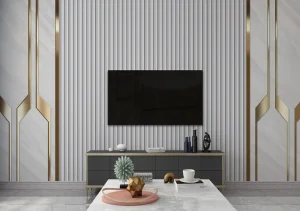
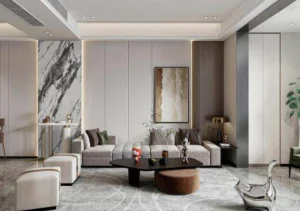
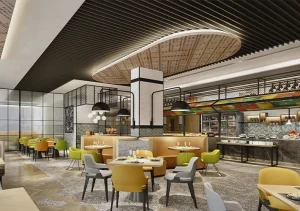
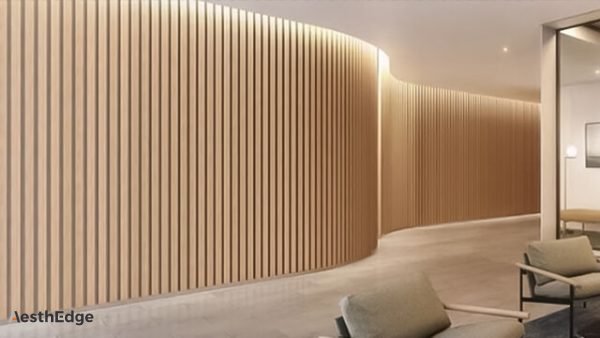
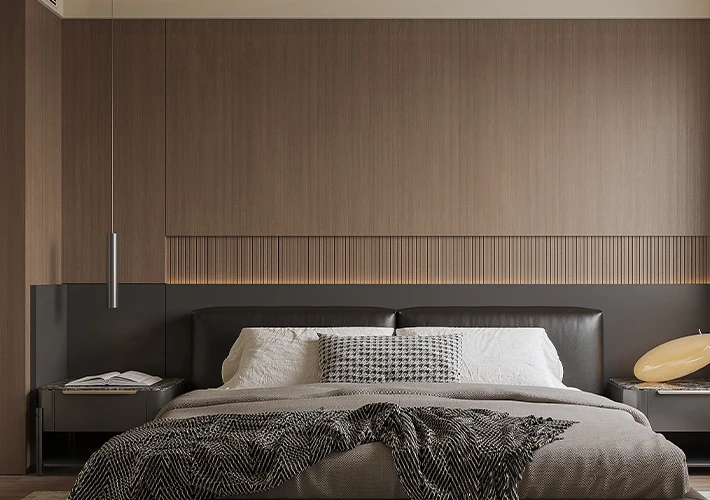
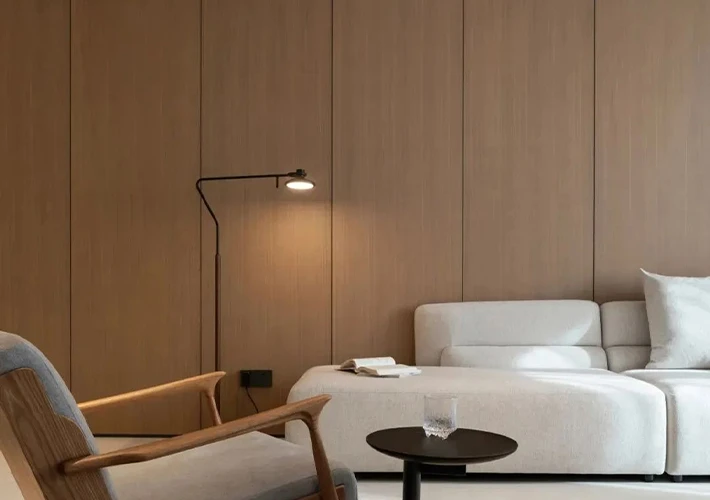
PVC film laminated bamboo charcoal wood veneer is widely used in residential interior wall decoration, hotel and apartment projects, office and commercial spaces, retail shops, showrooms, and customized furniture systems. Its stable quality and design consistency make it especially suitable for large-scale international projects.
Easy Processing, Installation, and Maintenance
Convenient Cutting and Installation
PVC-laminated bamboo charcoal veneer can be easily processed using standard woodworking tools. Installers benefit from:
- Clean cutting edges
- Reduced chipping
- Flexible installation methods
This improves installation efficiency and reduces labor costs.
Low Maintenance Requirements
Unlike natural veneer that requires regular polishing or repainting, PVC film surfaces only need:
- Simple wiping with a damp cloth
- Minimal routine maintenance
This is highly attractive for commercial property owners and long-term projects.
Strong Compatibility with Bamboo Charcoal Core, Packaging, and Export Advantages
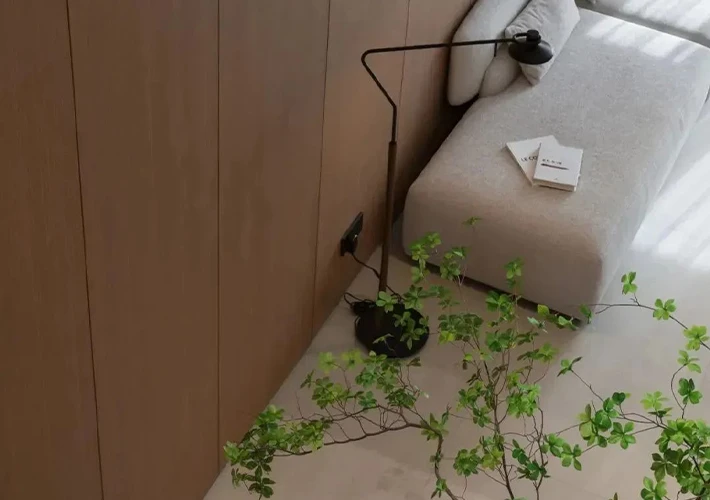
PVC film can realistically replicate natural wood textures, reducing dependence on rare or expensive hardwoods. This supports more sustainable material usage while still meeting market demand for wood-like aesthetics.
High-quality PVC films can comply with international standards for low VOC emissions and formaldehyde-free requirements. When combined with bamboo charcoal boards, the finished product aligns well with green building trends in global markets.
From an export perspective, PVC film provides additional surface protection during transportation. Panels can be safely packed with protective films, foam layers, export cartons, and pallets, reducing damage risks and improving buyer satisfaction.
Advantages in Packaging, Transportation, and Export
Improved Surface Protection During Shipping
PVC film provides an additional protective layer during long-distance transportation. It reduces risks such as:
- Surface scratches
- Moisture damage
- Dust contamination
Flexible Packaging Solutions
PVC-laminated bamboo charcoal veneer panels can be packaged using:
- Protective films
- Foam sheets
- Export-grade cartons
- Palletized packing
This ensures product safety and enhances buyer satisfaction.
Quality Control Advantages for Manufacturers and Buyers
Easier Quality Inspection
PVC film surfaces make it easier to identify defects such as:
- Color inconsistency
- Surface damage
- Lamination issues
This improves quality transparency for overseas buyers.
Stable Long-Term Performance
With proper material selection and production control, PVC film-coated bamboo charcoal veneer offers:
- Predictable performance
- Long service life
- Reduced after-sales issues
This strengthens trust between manufacturers and international clients.
Wide Application Scenarios in Global Markets
PVC film bamboo charcoal wood veneer is widely used in:
- Residential interior wall decoration
- Hotel and apartment projects
- Office and commercial spaces
- Retail shops and showrooms
- Customized furniture and cabinetry
Its adaptability makes it suitable for diverse architectural styles and regional preferences.
Conclusion: Why PVC Film Is a Smart Choice for Bamboo Charcoal Wood Veneer
In conclusion, using PVC film for bamboo charcoal wood veneer offers a comprehensive range of benefits, including enhanced aesthetics, strong durability, moisture resistance, cost efficiency, and excellent adaptability for international markets.
For manufacturers, PVC film supports scalable production, stable quality control, and flexible design customization. For global buyers, distributors, and project contractors, it delivers reliable performance, consistent appearance, and competitive pricing.
As demand for modern, sustainable, and cost-effective interior decorative materials continues to grow worldwide, PVC film laminated bamboo charcoal wood veneer remains a proven and future-oriented solution for both residential and commercial applications.