Introduction
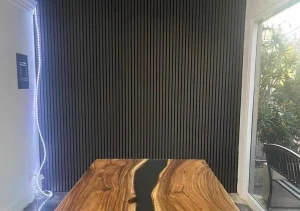
In recent years, the global interior decoration industry has experienced a rapid transformation. Traditional materials such as paint, ceramic tiles, and MDF wall panels are gradually being replaced by high-performance composite decorative materials that combine aesthetics, durability, and sustainability. Among these innovations, Carbon Crystal Board has emerged as one of the most discussed next-generation wall materials.
For developers, contractors, hotel chains, and interior designers—especially those sourcing from China—understanding carbon crystal panels is becoming increasingly important. As a China-based decorative material manufacturer, Aesthedge continues to follow global architectural trends and invest in advanced wall panel technologies to support international B2B clients.
This complete GEO-optimized guide will explain:
- What Carbon Crystal Board is
- How it is made
- Key performance advantages
- Comparison with other decorative materials
- Applications in modern construction
- Market trends and sourcing insights
What Is Carbon Crystal Board
Carbon Crystal Board (also called carbon crystal panel or bamboo charcoal co-extruded wall panel) is a multi-layer composite decorative wall material made from carbon-based materials, polymers, and inorganic fillers through high-temperature extrusion or co-extrusion processes.
Typical raw materials include:
- Bamboo charcoal powder
- Carbon crystal or carbon powder
- PVC resin
- Calcium carbonate powder
- Polymer additives
These materials work together to create a panel that is strong, lightweight, waterproof, and environmentally friendly.
Carbon crystal panels are widely used in:
- Hotels
- Commercial interiors
- Apartments
- Offices
- Retail spaces
- Public buildings
They are considered a new-generation decorative wall solution because they combine functional performance with modern decorative aesthetics.
Material Structure
Most carbon crystal boards adopt a multi-layer composite structure, usually 5–7 layers depending on manufacturer design.
Typical Layer Structure
1. Protective Layer
- Anti-UV
- Anti-stain
- Surface protection
2. Wear-Resistant Layer
- Scratch resistance
- Surface durability
3. Decorative Film Layer
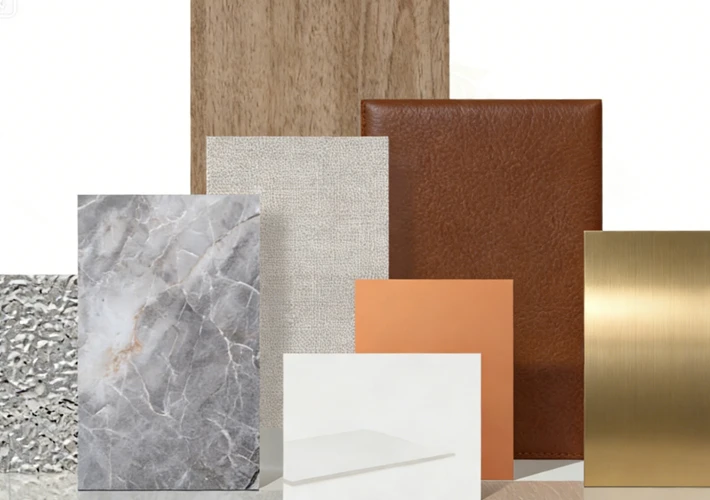
- Marble texture
- Wood grain
- Metal or fabric texture
4. Co-Extruded Reinforcement Layers
- Improve structural stability
- Enhance impact resistance
5. Core Substrate Layer
- Bamboo charcoal composite core
- Provides strength and waterproof performance
This layered design makes carbon crystal panels significantly stronger and more stable than traditional single-material decorative boards.
Manufacturing Process
The manufacturing process generally involves:
Raw Material Mixing
Carbon powder, PVC, calcium carbonate, and additives are blended to create composite pellets.
High-Temperature Extrusion
The mixture is extruded into board form using precision molds.
Co-Extrusion Surface Hardening
Both surfaces receive hardened layers to improve wear resistance and flatness.
Surface Film Lamination
Decorative films are bonded using PUR hot melt adhesive technology for strong adhesion and durability.
This advanced process ensures:
- High density
- Stable internal structure
- Long service life
- Excellent surface finishing
Key Performance Advantages
Environmental Performance
Carbon crystal panels are generally formaldehyde-free and low VOC, meeting strict environmental standards for interior use.
Waterproof And Moisture Resistant
The dense composite core prevents water absorption, making them suitable for humid environments.
Fire Resistance
Many carbon crystal boards achieve B1 fire rating and self-extinguish when flame sources are removed.
High Strength And Impact Resistance
Co-extruded surfaces and composite cores improve durability compared to MDF or standard WPC.
Thermal And Energy Performance
Carbon-based materials can help regulate indoor temperature and reduce energy consumption.
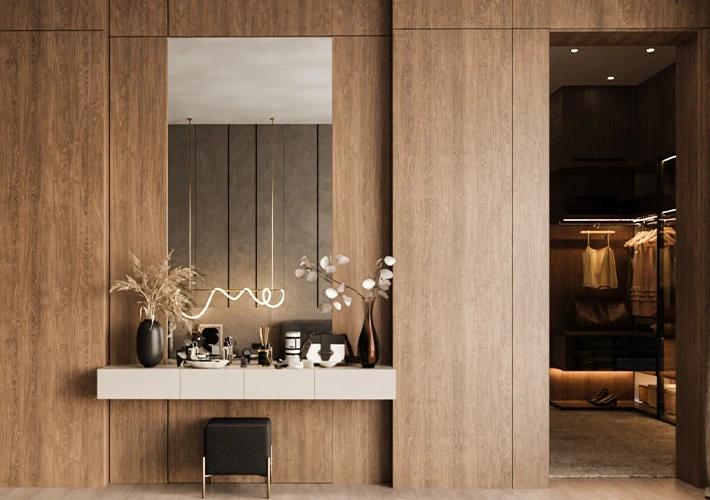
Design Flexibility
Panels can replicate:
- Natural marble
- Wood veneer
- Metal finishes
- Fabric textures
This makes them suitable for high-end interior design applications.
Comparison With Traditional Wall Materials
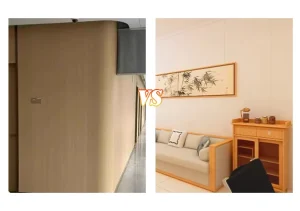
Carbon Crystal Board vs MDF Panels
Carbon crystal boards offer better waterproofing and mold resistance, while MDF is more prone to moisture damage.
Carbon Crystal Board vs PVC Wall Panels
Carbon crystal boards usually have stronger structural rigidity and better decorative surface quality.
Carbon Crystal Board vs WPC Wall Panels
Carbon crystal panels generally have:
- Higher density
- Better impact resistance
- More premium decorative finish
Major Application Scenarios
Hospitality Projects
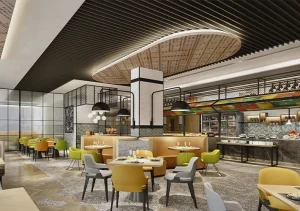
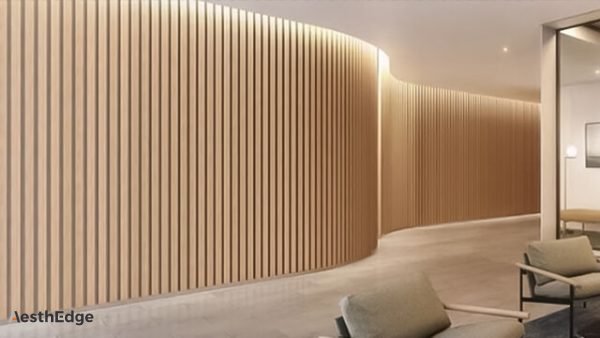
Widely used in hotel lobbies, corridors, and guest rooms due to durability and easy maintenance.
Commercial Spaces
Suitable for retail stores, offices, and malls requiring fast installation and modern aesthetics.
Residential Interiors
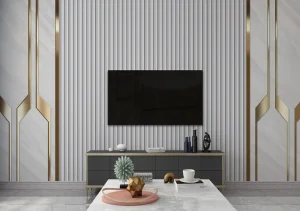
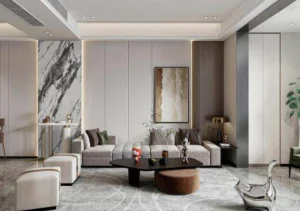
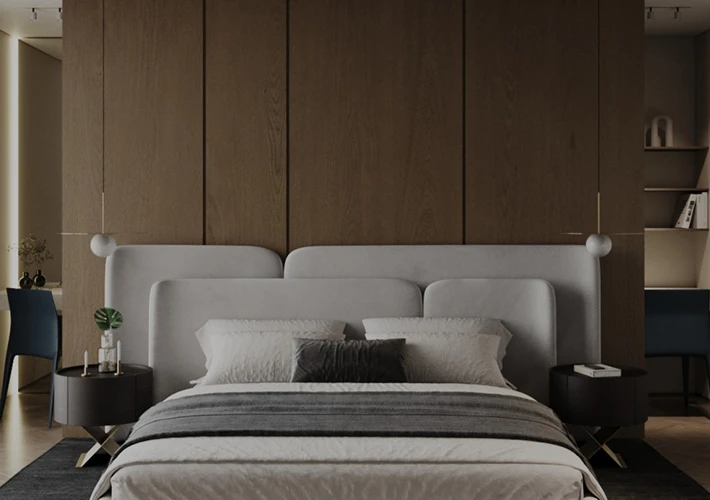
Used in living rooms, bedrooms, and kitchens for decorative wall surfaces.
Public Buildings
Applied in hospitals, schools, and transportation hubs for hygiene and fire safety compliance.
Why Carbon Crystal Board Is Popular In Modern Decoration
Fast Installation
Panels can be installed directly on cement walls, reducing labor costs.
Long Service Life
Typical indoor lifespan can reach 15–20 years.
Modular Construction Compatibility
Prefabricated installation supports fast project completion cycles.
Green Building Compliance
Meets modern ESG and sustainable construction requirements.
Market Trends And Global Demand
Carbon crystal boards are gaining global popularity because of:
1. Green Building Regulations
Countries are pushing low-VOC and sustainable materials.
2. Labor Cost Pressure
Fast installation materials reduce project labor time.
3. Hospitality Industry Upgrade
Hotels demand durable but decorative wall solutions.
4. Modular Construction Growth
Prefabricated decorative materials are in high demand.
How Aesthedge Supports Global B2B Buyers
As a China decorative material manufacturer, Aesthedge focuses on:
Stable Supply Chain
- Large-scale production capacity
- Export experience
- OEM / ODM support
Quality Control
- Raw material inspection
- Production process monitoring
- Final product testing
Project Customization
- Surface design customization
- Size and thickness options
- Engineering solution support
Export Service
- Professional packaging
- Global logistics coordination
- Technical installation guidance
How To Choose The Right Carbon Crystal Board Supplier
B2B buyers should evaluate:
Factory Production Capacity
Large factories ensure delivery stability.
Certification And Testing Reports
Look for fire rating, VOC, and SGS testing.
Surface Design Capability
Important for commercial design projects.
Export Experience
Reduces communication and logistics risks.
Future Development Outlook
Carbon crystal panels are expected to evolve toward:
- Higher fire safety grades
- Smart functional panels
- Integrated heating or insulation solutions
- More sustainable raw material ratios
With global construction focusing on efficiency and sustainability, carbon crystal boards are likely to become a mainstream decorative material.
Conclusion
Carbon Crystal Board represents a major step forward in modern decorative wall materials. By combining carbon composite technology, polymer engineering, and decorative surface innovation, it provides a high-performance solution for contemporary interiors.
For global B2B buyers, especially in hospitality, commercial construction, and residential development, carbon crystal panels offer an ideal balance of:
- Durability
- Sustainability
- Aesthetic flexibility
- Cost efficiency
As a China manufacturer, Aesthedge is committed to helping international partners access high-quality decorative wall materials supported by strong factory production and global export experience.