Introduction
Laminate wall boards have become one of the most widely used interior decorative and functional wall materials in modern construction and interior design. From residential decoration to large-scale commercial projects, laminate wall panels provide an effective balance between aesthetics, durability, hygiene, and cost-efficiency. As construction standards evolve and demand grows for low-maintenance and long-lasting materials, laminate wall boards continue to expand their application scope across industries.
Laminate wall boards are typically manufactured by bonding decorative laminate layers onto substrates such as MDF, plywood, or compact laminate cores. The outer laminate surface provides resistance to scratches, moisture, chemicals, and impact, while also offering extensive design flexibility.
This article explores the main uses of laminate wall boards in detail, covering residential, commercial, healthcare, hospitality, industrial, and specialty applications, while explaining why these materials are increasingly preferred worldwide.
Residential Interior Applications
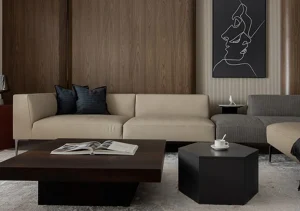
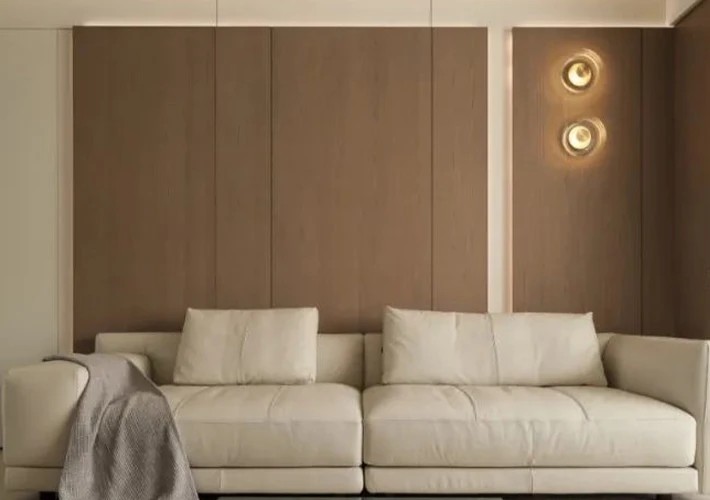
Living Rooms and Feature Walls
One of the most common uses of laminate wall boards is in residential decorative wall finishing. Homeowners use laminate panels to create:
- Accent walls
- TV background walls
- Decorative partitions
- Ceiling decorative panels
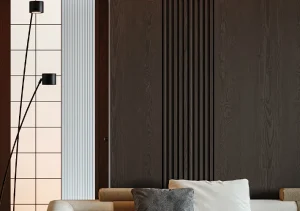
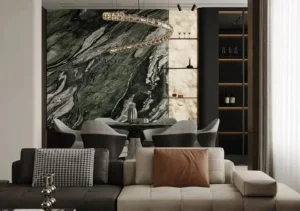
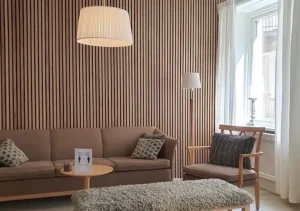
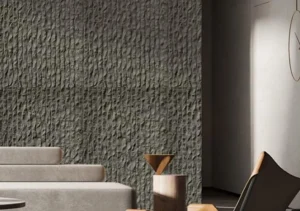
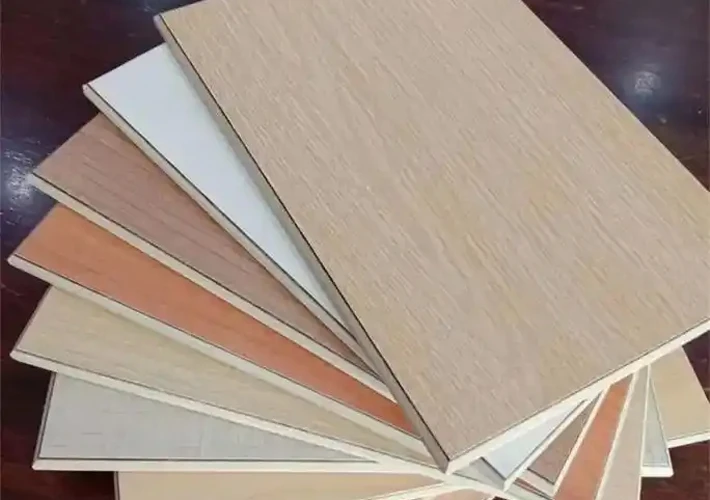
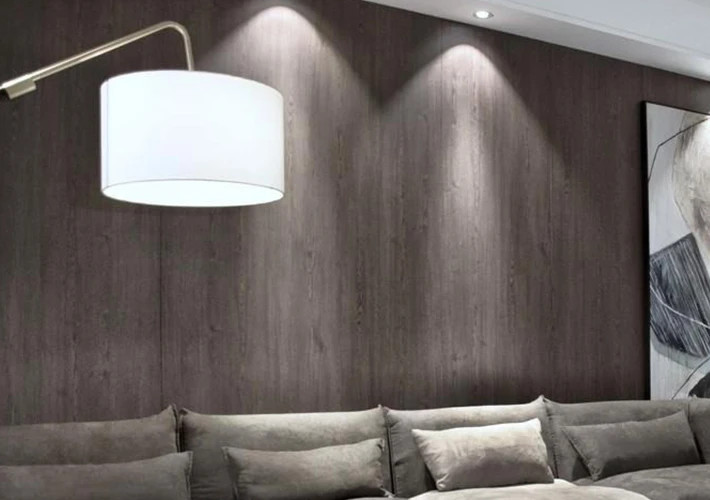
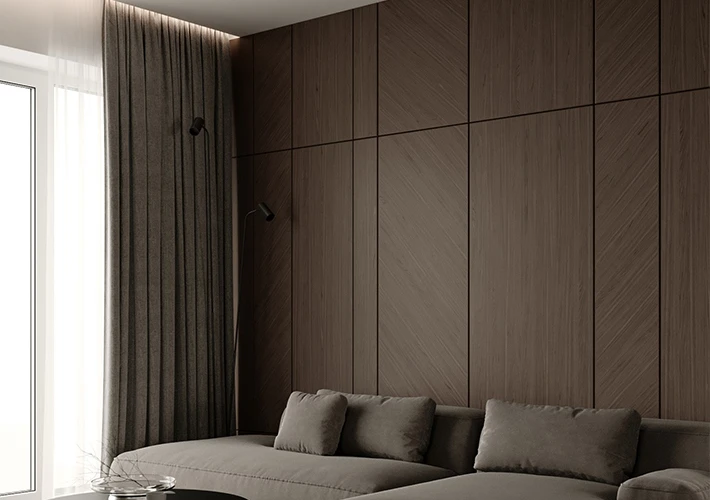
Laminate wall boards offer a wide variety of finishes including wood grain, marble look, metallic textures, and fabric effects. This allows designers to achieve luxury aesthetics without using expensive natural materials.
Unlike painted walls, laminate boards maintain consistent color and gloss over time. Their scratch-resistant outer layer helps maintain appearance even in homes with children or pets.
Bedrooms and Wardrobe Wall Integration
Laminate wall boards are widely used in bedroom headboard walls and integrated wardrobe wall systems. Their durability ensures long service life while maintaining visual consistency with furniture finishes.
Additionally, laminated boards resist pests, warping, and cracking better than natural wood surfaces, making them more stable in humid climates.
Kitchen Wall and Backsplash Use
Laminate boards are increasingly used as kitchen wall panels and backsplashes because they:
- Resist stains and oil splashes
- Are easy to clean
- Require no grouting like tiles
- Allow seamless large panel installation
HPL laminate panels are especially suitable for kitchen environments because they can be wiped clean easily and resist moisture penetration.
Commercial and Retail Space Applications
Offices and Corporate Interiors
Laminate wall boards are widely used in:
- Office wall cladding
- Reception walls
- Meeting room decorative panels
- Workstation partitions
Their durability helps maintain a professional appearance even with frequent contact and cleaning.
In addition, laminated surfaces can be customized with corporate branding colors and textures, helping businesses create consistent brand environments.
Retail Stores and Shopping Malls
Retail environments demand materials that are both visually attractive and highly durable. Laminate wall boards are used for:
- Store display walls
- Fitting rooms
- Checkout counters
- Brand display areas
Their impact resistance helps prevent damage from shopping carts, equipment, and high customer traffic.
Because laminate surfaces resist stains and scratches, retail owners benefit from lower maintenance costs and longer refurbishment cycles.
Hospitality Industry Applications
Hotels and Resorts
Laminate wall boards are extensively used in hospitality projects because they combine luxury appearance with high durability. Typical hotel applications include:
- Lobby feature walls
- Guest room headboard walls
- Corridor wall protection panels
- Restaurant decorative walls
High-pressure laminate panels maintain appearance even after extensive commercial use, making them ideal for high-traffic hospitality spaces.
Restaurant and Food Service Areas
Laminate panels are preferred in restaurants because they:
- Resist food stains
- Allow easy daily cleaning
- Maintain decorative quality under heavy use
- Support hygiene standards
Their non-porous surface prevents moisture and bacteria penetration, improving sanitary performance.
Healthcare and Medical Facility Applications
Healthcare environments have strict requirements for hygiene, durability, and chemical resistance. Laminate wall boards are widely used in:
- Hospital corridors
- Patient rooms
- Operating room support areas
- Laboratories
- Clinics and nursing homes
Laminate panels can withstand strong disinfectants without surface damage, making them suitable for medical cleaning protocols.
Their non-porous surface helps prevent bacterial growth and reduces infection risks.
Additionally, antimicrobial laminate options are available to further enhance hygiene performance.
Education and Public Infrastructure
Laminate wall boards are commonly used in schools, universities, and public transport buildings because of their impact resistance and low maintenance requirements.
Typical applications include:
- School corridors
- Classrooms
- Cafeterias
- Public transport stations
- Government buildings
High-density laminate panels resist scratching, graffiti, and impact damage from daily public use.
This significantly reduces repair and repainting costs for public institutions.
High Moisture and Wet Area Applications
Bathrooms and Shower Walls
Waterproof laminate panels are widely used as tile alternatives in bathrooms and shower areas.
Benefits include:
- Waterproof performance
- No grout lines (reducing mold risk)
- Faster installation than tiles
- Easier maintenance
HPL laminate wall panels are commonly installed in bathrooms because they combine water resistance with design flexibility.
Laundry and Utility Rooms
Moisture-resistant laminate boards are ideal for laundry rooms and service areas because they prevent wall damage from humidity exposure.
Industrial and Specialized Applications
Cleanrooms and Laboratories
Laminate wall panels are used in controlled environments such as:
- Pharmaceutical production areas
- Cleanrooms
- Laboratories
- Food processing facilities
Their chemical resistance and easy sanitization support strict hygiene standards.
Transportation and Modular Construction
Laminate panels are also used in:
- Vehicle interiors
- Modular building systems
- Container housing interiors
They provide lightweight yet durable wall finishing solutions.
Decorative and Architectural Design Uses
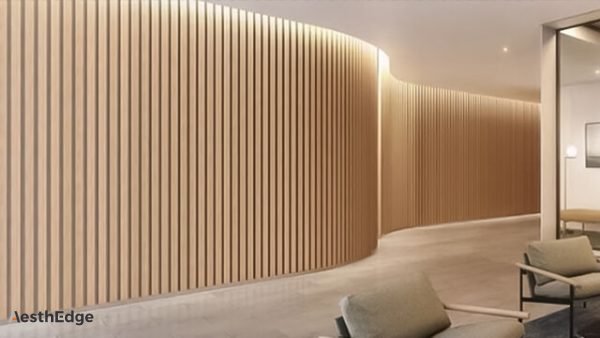
Curved Wall and Custom Architecture
HPL laminate panels can be post-formed to create:
- Curved walls
- Rounded corners
- Custom architectural features
This flexibility allows designers to create complex shapes while maintaining surface durability.
Large Format Seamless Wall Systems
Laminate wall boards are ideal for large continuous wall surfaces because they reduce visible joints and improve overall aesthetics.
Key Reasons Laminate Wall Boards Are Widely Used
1.Durability
Laminate panels provide strong resistance to impact, abrasion, and wear, making them suitable for high-traffic areas.
2.Low Maintenance
They require only simple cleaning and do not need repainting or refinishing like traditional walls.
3.Hygiene and Safety
Non-porous surfaces prevent bacteria growth and support easy disinfection.
4.Design Flexibility
Laminate boards can replicate wood, stone, and fabric textures while offering consistent quality.
5.Cost Efficiency
Compared to natural materials, laminate provides similar appearance with lower lifecycle cost.
Conclusion
Laminate wall boards are among the most versatile wall finishing materials available today. Their applications span residential decoration, commercial interior fit-outs, hospitality projects, healthcare facilities, educational institutions, and industrial environments.
The main reasons for their widespread use include durability, easy maintenance, hygiene performance, and flexible design options. As construction trends increasingly prioritize sustainability, lifecycle cost control, and faster installation, laminate wall boards will likely continue expanding into new application fields.
For developers, architects, and contractors, laminate wall boards offer a reliable solution that balances aesthetics, performance, and budget control—making them a core material in modern interior construction.