
Introduction: Why WPC Tube Sizes Matter in Global Construction and Decoration Projects
Wood Plastic Composite (WPC) tubes have become an increasingly popular material in architectural decoration, landscaping, outdoor structures, and interior design projects worldwide. From pergolas and railings to façade systems, partitions, sunshades, and custom architectural features, WPC tubes offer an ideal balance between the natural appearance of wood and the durability of plastic.
However, one of the most critical yet often overlooked factors when selecting WPC tubes is size.
For developers, contractors, wholesalers, architects, and importers, choosing the right WPC tube size directly affects:
- Structural strength and load-bearing capacity
- Installation efficiency and labor costs
- Visual proportions and design aesthetics
- Project budget and material utilization
- Container loading and international shipping efficiency
As a professional WPC tube manufacturer and exporter in China, we frequently receive inquiries such as:
- What are the standard sizes of WPC tubes?
- Which WPC tube size is best for pergolas or railings?
- Can WPC tube sizes be customized for large projects?
- How do tube thickness and cross-section affect performance?
This article provides a comprehensive guide to commonly used WPC tube sizes, applications, structural considerations, and global market preferences—helping B2B buyers make informed sourcing decisions.
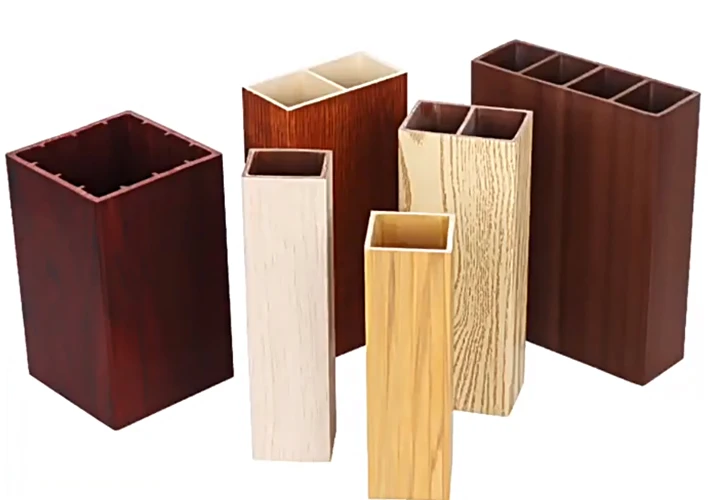
What Is a WPC Tube?
Before diving into sizes, it is essential to understand what a WPC tube is.
A WPC tube is a hollow or semi-hollow profile made from a blend of:
- Wood fibers or wood flour (typically 55–65%)
- Thermoplastics (HDPE, PVC, or PP)
- Additives (UV stabilizers, coupling agents, pigments)
WPC tubes are typically produced through extrusion, allowing precise control over:
- Cross-sectional dimensions
- Wall thickness
- Surface textures (wood grain, brushed, smooth)
- Structural reinforcement
Compared with solid wood or metal tubes, WPC tubes offer:
- High moisture and termite resistance
- Stable dimensions with low cracking and warping
- Long service life (15–25 years)
- Lower maintenance costs
- Eco-friendly and recyclable composition
Why Size Standardization Is Important in WPC Tubes
In international trade and project execution, standardized sizes play a crucial role.
1.Compatibility With Existing Systems
Many WPC tubes are used together with:
- Aluminum frames
- Steel connectors
- Fastening systems
- Modular pergola or railing kits
Standard sizes ensure seamless integration.
2.Structural Performance and Safety
Tube size determines:
- Bending strength
- Load-bearing capacity
- Wind resistance
- Deflection limits
Incorrect sizing can lead to structural failure or over-engineering.
3.Cost and Logistics Optimization
Standard sizes allow:
- Bulk production
- Reduced tooling costs
- Efficient container loading
- Lower per-unit pricing
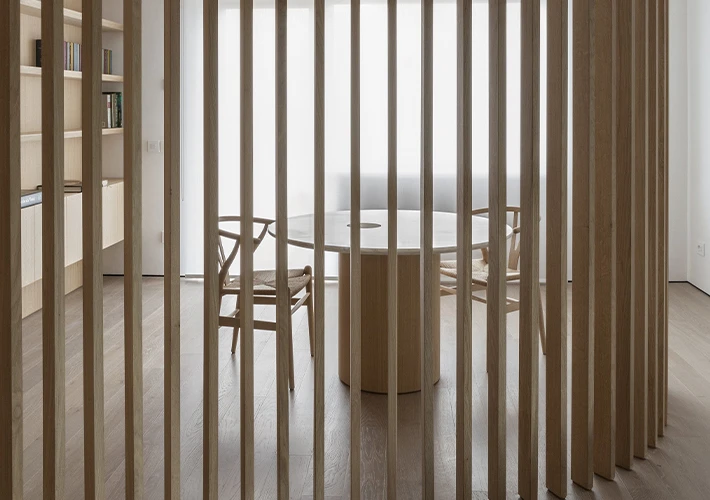
Common Cross-Section Shapes of WPC Tubes
Before discussing exact dimensions, it’s important to understand tube shapes, as size standards vary by shape.
1.Square WPC Tubes
- Most widely used
- Easy to install and align
- Clean, modern appearance
2.Rectangular WPC Tubes
- Used for beams, louvers, and sunshades
- Better bending resistance in one direction
3.Round WPC Tubes
- Used for railings, columns, decorative elements
- Softer visual lines
4.Special-Shaped WPC Tubes
- Oval, D-shaped, U-shaped
- Custom architectural applications
Commonly Used Square WPC Tube Sizes
Square WPC tubes are the most popular choice in global markets.
Small Square WPC Tube Sizes
Common dimensions include:
- 30 × 30 mm
- 40 × 40 mm
- 50 × 50 mm
Typical wall thickness:
- 3.0 mm
- 4.0 mm
Applications:
- Decorative partitions
- Interior wall accents
- Ceiling frameworks
- Light-duty fencing
These sizes are lightweight, cost-effective, and easy to handle, making them ideal for interior or low-load applications.
Medium Square WPC Tube Sizes
These are the most frequently exported sizes.
- 60 × 60 mm
- 70 × 70 mm
- 80 × 80 mm
- 90 × 90 mm
Wall thickness options:
- 4.5 mm
- 5.0 mm
- 6.0 mm
Applications:
- Pergola posts
- Balcony railings
- Fence systems
- Outdoor sunshade frames
These sizes provide a strong balance between strength, aesthetics, and cost.
Large Square WPC Tube Sizes
Designed for structural and load-bearing applications.
- 100 × 100 mm
- 120 × 120 mm
- 150 × 150 mm
Wall thickness:
- 6.0 mm
- 7.0 mm
- 8.0 mm
Applications:
- Pergola columns
- Pavilion structures
- Outdoor shelters
- Landscape architecture
Large square tubes are often reinforced internally with aluminum or steel inserts for enhanced structural integrity.

Commonly Used Rectangular WPC Tube Sizes
Rectangular WPC tubes are preferred for horizontal spans and shading systems.
Popular Rectangular Dimensions
- 40 × 80 mm
- 50 × 100 mm
- 60 × 120 mm
- 80 × 160 mm
- 100 × 200 mm
Wall thickness:
- 4.0–7.0 mm depending on span length
Applications:
- Pergola beams
- Sun louvers
- Façade fins
- Canopies
Rectangular tubes offer superior bending resistance along their longer axis, making them ideal for beams and overhangs.
Commonly Used Round WPC Tube Sizes
Round WPC tubes are often selected for railings and decorative columns.
Standard Diameter Sizes
- Ø42 mm
- Ø50 mm
- Ø60 mm
- Ø76 mm
- Ø90 mm
- Ø100 mm
Wall thickness:
- 3.0–6.0 mm
Applications:
- Handrails
- Balustrades
- Gazebo columns
- Landscape fencing
Round tubes are particularly popular in residential and resort projects due to their softer appearance.
Regional Preferences for WPC Tube Sizes
Different markets show clear preferences.
North America (USA & Canada)
- 90 × 90 mm and 100 × 100 mm square tubes
- Rectangular beams: 50 × 100 mm, 60 × 120 mm
- Thicker walls for snow and wind loads
Europe
- Slim profiles: 60 × 60 mm, 70 × 70 mm
- High focus on aesthetics and certification
- Fire-retardant options often required
Middle East
- Large-size tubes for pergolas
- 120 × 120 mm and above
- Strong UV resistance critical
Southeast Asia & Australia
- Moisture-resistant sizes
- Medium square and rectangular tubes
- Lightweight but durable profiles

How to Choose the Right WPC Tube Size for Your Project
Step 1: Define Load Requirements
- Decorative or structural?
- Span length and wind exposure
Step 2: Consider Installation Method
- Surface mounting or embedded
- Connector compatibility
Step 3: Match Design Aesthetics
- Slim modern look or bold architectural presence
Step 4: Optimize Cost and Shipping
- Larger tubes = higher material and freight cost
- Balance strength and budget
WPC Tube Size vs Solid Wood and Metal Tubes
| Material | Size Stability | Maintenance | Customization |
|---|---|---|---|
| Solid Wood | Low | High | Limited |
| Metal | High | Medium | Medium |
| WPC Tube | Very High | Low | Excellent |
WPC tubes offer greater flexibility in size design without compromising performance.
Conclusion: Choosing the Right WPC Tube Size Is a Strategic Decision
So, what are the commonly used sizes for WPC tubes?
From 30 × 30 mm decorative profiles to 150 × 150 mm structural columns, WPC tube sizes cover a wide range of architectural and construction needs. Understanding standard dimensions, wall thickness, regional preferences, and application scenarios allows buyers to optimize performance, cost, and aesthetics.
As a professional WPC tube manufacturer and exporter in China, we supply:
- Full range of standard WPC tube sizes
- Custom-designed profiles for projects
- Stable quality for global markets
- Reliable lead times and export packaging
If you are sourcing WPC tubes for wholesale, distribution, or project use, choosing the right size is the first step toward long-term success.
Feel free to reach out for technical drawings, load calculations, and factory-direct quotations.