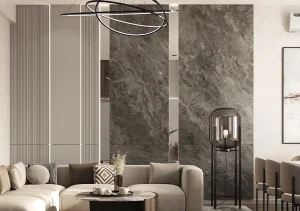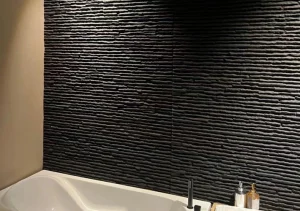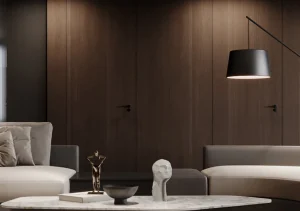
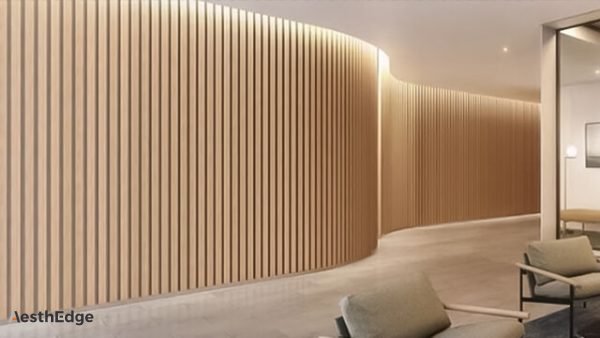
Bamboo Charcoal Wood Veneer has become one of the fastest-growing decorative materials in global markets, especially in Southeast Asia, the Middle East, Europe, and North America. Known for its eco-friendly composition, stable performance, elegant textures, and excellent price-performance ratio, this material is widely used in wall decoration, ceiling projects, cabinetry, furniture, commercial interiors, hotels, and modern residential designs.
For importers, wholesalers, and engineering contractors, one of the most important questions before placing an order is:
👉 What sizes are available for Bamboo Charcoal Wood Veneer?
👉 Which thickness should I choose for my project?
👉 Do size differences affect cost, transportation, and installation?
This article provides a complete, professional, and data-rich explanation of the standard sizes, thickness options, customized dimensions, applications, production process, packaging standards, and procurement considerations of Bamboo Charcoal Wood Veneer.
What Is Bamboo Charcoal Wood Veneer? (Quick Overview)
Bamboo Charcoal Wood Veneer is a composite decorative material made from:
- PVC (Polyvinyl chloride) substrate
- Bamboo charcoal powder
- Calcium carbonate
- Stabilizers
- A surface decorative film (wood grain, marble, solid color, embossed texture, etc.)
Compared with traditional PVC panels or MDF veneer panels, Bamboo Charcoal Veneer features:
- Higher density
- Better fire resistance
- Better waterproof and moisture-proof properties
- More stable structure
- More realistic surface textures
Its strength, durability, and versatility make it a popular material in hotels, apartments, office spaces, commercial stores, and residential decoration.
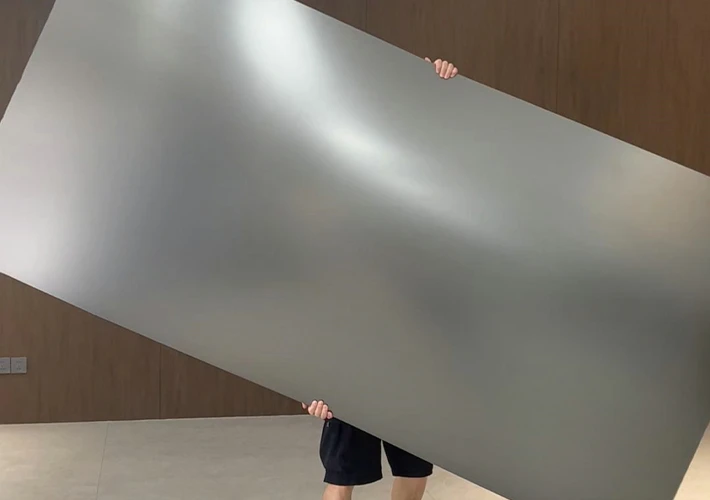
Standard Sizes of Bamboo Charcoal Wood Veneer
Below are the most common sizes used by manufacturers in China. These specifications cover width, length, thickness, weight, and recommended application scenarios.
1.Standard Sheet Size (Most Popular)
1220 × 2440 mm (4 × 8 ft)
This is the globally recognized standard plywood size, making it the most popular and widely available size for Bamboo Charcoal Wood Veneer.
Advantages:
- Compatible with furniture and cabinetry manufacturing
- Easy to cut and process
- Suitable for most CNC machines
- Optimized for shipping and storage
- Most cost-effective size
Typical Uses:
- Interior wall cladding
- Hotel room decoration
- Furniture surface lamination
- Door panel covering
- Cabinet production
Thickness range: 2.5 mm – 9 mm
Why it’s popular:
Because most international customers—especially wholesalers—prefer sheet materials that match standard plywood dimensions, making it easier to integrate into existing production or installation workflows.
2.Oversized Sheet (For Large Wall Areas)
1220 × 2800 mm
Designed for customers who require fewer joints in large public areas.
Best for:
- Hotel lobbies
- Office halls
- Large apartment living rooms
- Commercial wall backgrounds
Thickness range: 3 mm – 9 mm
Advantages:
- Fewer seams
- Better visual continuity
- Suitable for premium projects
3.Wide-Format Panels
1300 × 2800 mm / 1300 × 3000 mm
These are high-end sizes typically supplied by factories with larger extrusion and lamination lines.
Applications:
- Premium hotel projects
- Modern villa decoration
- Custom furniture
- Partition walls
Benefits:
- Wider coverage reduces installation time
- Allows unique custom design
- Ideal for large-scale interior engineering
4.Narrow Strip Sizes (For Wall Strips & Edge Covering)
Common dimensions:
- 100 × 2800 mm
- 150 × 2800 mm
- 200 × 2800 mm
- 300 × 2800 mm
Thickness: 3–9 mm
Used for:
- Decorative wall strips
- Door frames
- Column wrapping
- Edge trimming
- Modern line-style interior decoration
5.Customized Length Options
Most factories support the following custom lengths:
- 2600 mm
- 2800 mm
- 3000 mm
- 3200 mm
Note: Custom lengths over 3 meters may require special container loading.
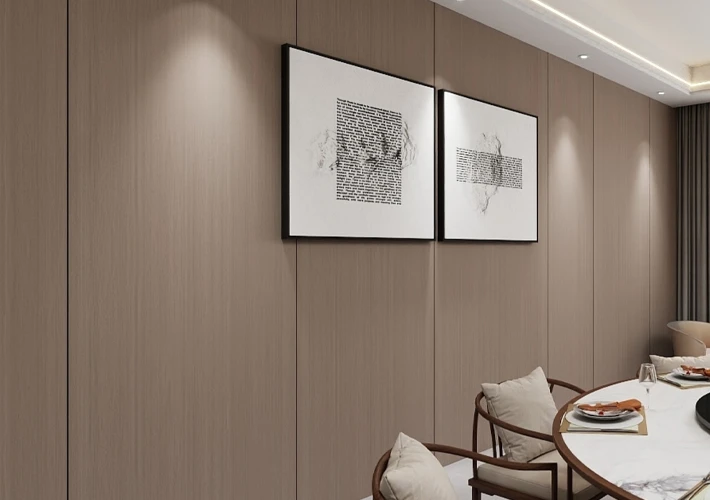
Thickness Options for Bamboo Charcoal Wood Veneer
Thickness is one of the most important specifications because it directly affects:
- Strength
- Weight
- Cost
- Application
- Sound absorption
- Durability
Below is a complete breakdown of commonly supplied thicknesses.
1.2.5–3 mm (Ultra-Thin Series)
Best for:
- Furniture covering
- Interior door skin
- Cabinet boards
- Decorative lamination
- Curved design areas
Pros:
- Lightweight
- Cost-effective
- Easy to apply with glue or nail-free adhesive
2.4–5 mm (Standard Decorative Sheet)
This is the most widely used thickness for wall and ceiling decoration.
Ideal for:
- Residential interior decoration
- Hotel rooms
- Office walls
- Bathroom dry areas
- Interior partitions
Why popular:
- Balanced strength and flexibility
- Easy for installers
- Compatible with most wall structures
3.6–7 mm (Reinforced Sheets)
Used when higher impact resistance is required.
Applications:
- High-traffic commercial spaces
- Shopping malls
- Schools
- Hospitals
- Corridor walls
4.8–9 mm (High-Strength Panels)
Best for:
- Sound-insulation walls
- Wooden door manufacturing
- Partition structures
- Premium furniture bases
Characteristics:
- Maximum structural strength
- Better screw-holding
- More stable on uneven walls
Size & Thickness Comparison Table
| Size (mm) | Thickness (mm) | Popularity | Typical Application |
|---|---|---|---|
| 1220 × 2440 | 2.5–3 | ★★★ | Furniture lamination, door skin |
| 1220 × 2440 | 4–5 | ★★★★★ | Most wall & ceiling decoration |
| 1220 × 2800 | 4–7 | ★★★★ | Large seamless wall installation |
| 1300 × 2800 | 4–9 | ★★★★ | High-end projects, villas |
| 100–300 (width) × 2800 | 3–9 | ★★★ | Wall strips & trims |
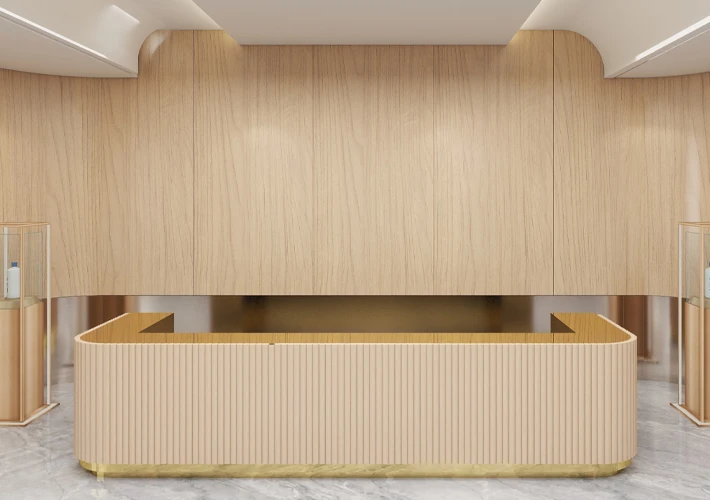
How Size Affects Price & Cost Calculation
Several factors affect the final price of Bamboo Charcoal Wood Veneer:
1.Sheet Size
- Larger sheets consume more raw materials → higher cost
- Oversized sheets have higher defect rate → higher unit price
2.Thickness
- Thicker boards require more PVC + calcium powder
- Every 1 mm thickness increase may raise cost by 8–15%
3.Surface Film
- Wood grain (common) = lowest cost
- 3D embossed texture = medium
- Marble high-gloss (anti-scratch) = highest
4.Customization
Non-standard sizes increase production cost due to:
- Mold configuration
- Cutting loss
- Production line reset
5.Shipping Efficiency
Sheet size determines how many pieces fit in a container.
For example:
1220 × 2440 mm, 5 mm thick
20GP: 800–1000 sheets
40HQ: 1800–2200 sheets
Oversized 1300 × 3000 mm
40HQ: 1100–1400 sheets
Smaller sheets = easier loading, lower transportation cost per square meter.
Applications of Different Sizes in Real Projects
1.Standard Size Panels (1220 × 2440 mm)
- Residential decoration
- Hotel projects
- Furniture factories
- Office wall panels
- Kitchen vertical surfaces
2.Oversized Panels (1220 × 2800 mm / 1300 × 3000 mm)
Best for premium-level applications:
- Hotel lobbies
- Shopping mall walls
- Large-format seamless surfaces
3.Narrow Strip Veneers
Suitable for modern and minimalist design:
- Wooden stripe walls
- Decorative trim edges
- Door side panels and column wrapping
4.Thick Panels (8–9 mm)
Ideal for structural uses:
- Prefabricated houses
- Partition reinforcement
- Acoustic panel backboards
Packaging & Export Standards
A professional supplier uses the following packaging methods:
1.PE protective film on the surface
Prevents scratches during transportation.
2.Standard export pallet
Using fumigation-free wooden pallets.
3.Corner protection + cardboard wrapping
4.Strapping + moisture-proof layer
5.Custom pallet height for container loading
For B2B customers, optimized pallet height can save 5–10% shipping costs.
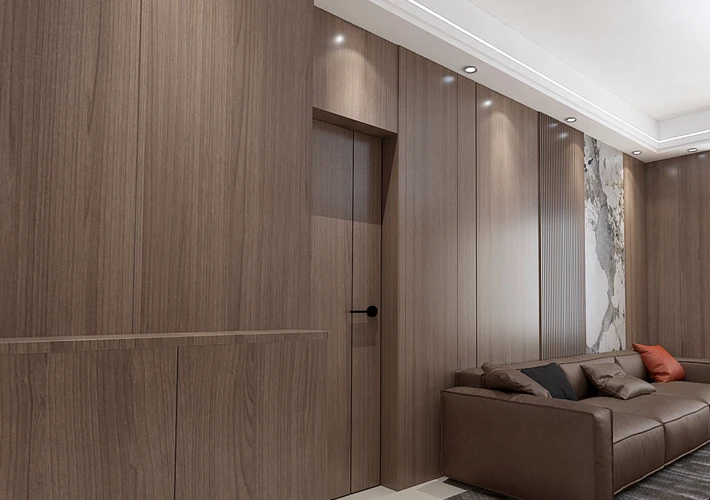
Factory Capability – Why Work With a Professional Supplier?
A strong Bamboo Charcoal Wood Veneer manufacturer in China typically offers:
✔ Large extrusion equipment
Supports sizes from 100 mm to 1300 mm width.
✔ Full range of thickness molds
2.5 mm – 9 mm all available.
✔ Over 500 wood grain & marble film patterns
Supports custom design.
✔ High-speed lamination lines
Ensures stable quality and zero bubbles.
✔ Professional export packaging
Ensures safety during sea shipping.
✔ OEM & ODM service
Private label support for distributors.
✔ Fast production
7–15 days for container-level orders.
Choosing a professional factory ensures:
- Stable quality
- Consistent color
- Better delivery time
- Lower defect rate
- Higher profit margin for wholesalers
Conclusion
Bamboo Charcoal Wood Veneer comes in a wide range of sizes, thickness options, and formats, making it highly flexible for use in both residential and commercial applications.
Common sizes include:
- 1220 × 2440 mm (most popular)
- 1220 × 2800 mm
- 1300 × 2800 / 3000 mm
- 100–300 mm narrow strips
- Thickness: 2.5–9 mm
Choosing the right size affects:
- Installation efficiency
- Visual appearance
- Structural strength
- Cost control
- Shipping efficiency
For importers, wholesalers, contractors, and architects, understanding these size standards is essential for making the best procurement decision.