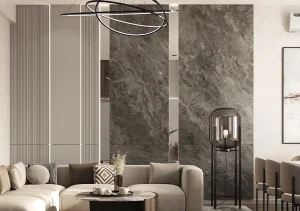
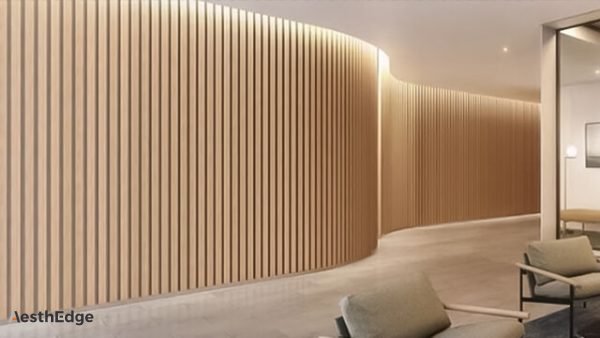
In the global hospitality industry, interior materials are no longer selected based solely on appearance. Modern hotels require materials that combine luxury aesthetics, durability, sustainability, fire safety, and indoor environmental performance. As hotel brands move toward healthier, low-maintenance, and high-design interior environments, Walnut Bamboo Charcoal Wood Veneer Sheets are becoming one of the most competitive decorative surface materials for hotel projects worldwide.
Walnut tones symbolize warmth, stability, and premium quality in hospitality design. When combined with bamboo charcoal composite technology, the result is a material that not only looks like high-end natural wood but also delivers advanced performance benefits such as moisture control, air purification, and fire resistance.
This article provides a comprehensive focused guide covering technical features, hotel applications, design value, performance advantages, and global market trends of Walnut Bamboo Charcoal Wood Veneer Sheets.
What Are Walnut Bamboo Charcoal Wood Veneer Sheets
Walnut Bamboo Charcoal Wood Veneer Sheets are decorative panels made by combining bamboo fiber, bamboo charcoal powder, eco-friendly resins, and decorative surface films that simulate walnut wood grain or incorporate real walnut veneer finishes.
The manufacturing process typically involves high-temperature hot pressing, creating dense composite boards with stable structural performance and enhanced functional properties.
Typical specifications include:
- Standard size: 1220 × 2440 mm (4 × 8 ft)
- Thickness: 5 – 12 mm
- Weight: Around 8–9 kg/m²
- Surface: Walnut wood grain / PET decorative film / UV coating
- Core: Bamboo fiber + charcoal powder composite
Compared with traditional wood veneer sheets, bamboo charcoal veneer materials offer improved resistance to moisture, deformation, and microbial growth due to the carbonized bamboo structure.
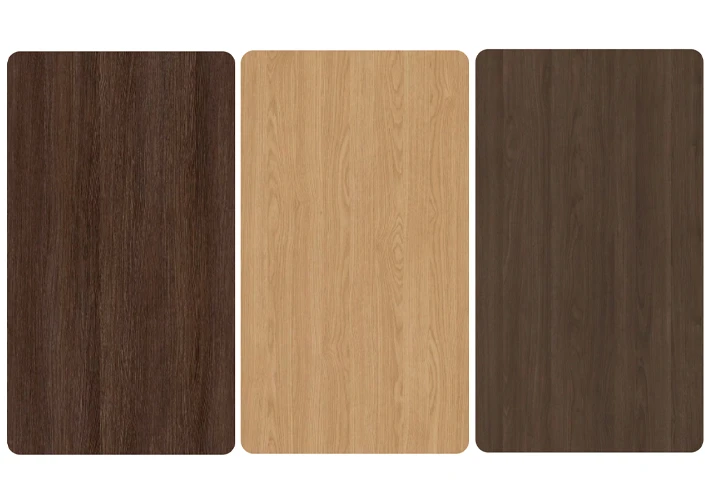
Walnut finishes specifically are popular because they provide:
- Deep luxury tone
- High-end visual consistency
- Compatibility with modern and classic hotel design styles
Why Hotels Are Choosing Walnut Bamboo Charcoal Veneer
Hotels face unique material challenges:
- High traffic
- Strict fire codes
- Humidity exposure
- Long lifecycle requirements
- Guest health and comfort expectations
Walnut bamboo charcoal veneer addresses all of these simultaneously.
Luxury Visual Identity
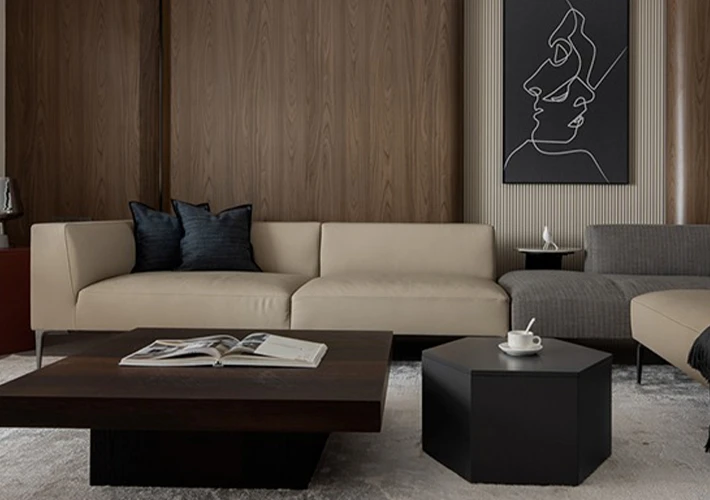
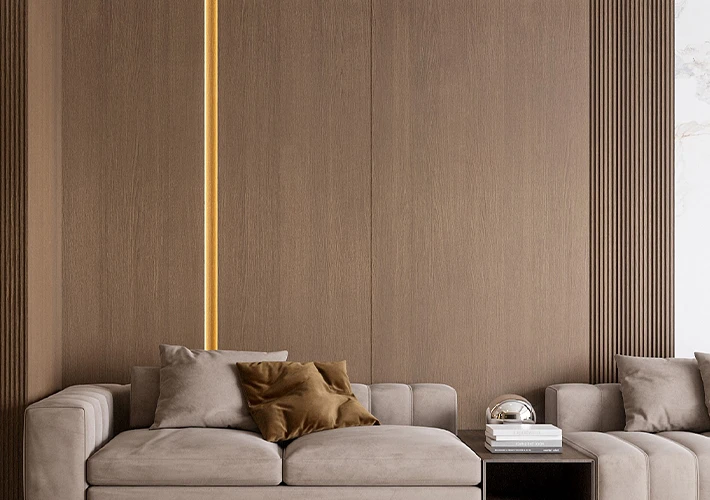
Walnut texture creates premium ambience in hotel lobbies, guest rooms, and executive lounges. Bamboo charcoal veneer replicates natural wood aesthetics while maintaining dimensional stability and consistency across large surfaces.
Cost Efficiency vs Solid Wood
Compared to solid walnut panels:
- Lower material cost
- Faster installation
- Reduced structural load
- Lower long-term maintenance cost
Large-format sheets reduce seams and improve installation efficiency for large commercial spaces.
Sustainable Material Strategy
Bamboo grows much faster than hardwood trees and can be harvested sustainably, making bamboo charcoal composites attractive for green building certifications.
Many bamboo charcoal panels also feature:
- Low VOC emissions
- Recyclable material structure
- FSC-certified surface veneer options
Core Performance Advantages for Hotel Projects
Fire Safety Performance
Hospitality projects require strict compliance with fire standards.
Modern bamboo charcoal panels can reach:
- B1 flame retardant rating
- Class A fire rating options
- Low smoke emission levels
Some panels can resist fire exposure for up to 60 minutes, supporting life-safety compliance in commercial buildings.
This makes them suitable for:
- Exit corridors
- Elevator lobbies
- Guest room walls
- Public commercial areas
Moisture and Mold Resistance
Hotels operate in humidity-prone environments such as:
- Bathrooms
- Spa areas
- Coastal hotels
- Tropical regions
Bamboo charcoal panels regulate humidity by absorbing excess moisture and releasing it when air becomes dry, reducing mold risk.
Compared with natural wood panels, bamboo charcoal veneer maintains structural stability and shape even in high-humidity environments.
Acoustic Comfort
Guest comfort directly affects hotel ratings and brand reputation.
Bamboo charcoal composite panels provide:
- Mid-frequency sound absorption
- Noise reduction between rooms
- Improved meeting room acoustics
Sound reduction performance can improve noise insulation by up to around 25 dB compared with basic drywall structures.
They are often laminated over acoustic panel structures to combine decorative and sound control functions.
Durability and Wear Resistance
Hotel interior materials must withstand heavy daily usage.
Bamboo charcoal veneer surfaces typically feature:
- UV coating or PU protective layer
- Scratch resistance
- Impact resistance
- Easy cleaning surfaces
Many products can achieve impact resistance ratings suitable for commercial public areas.
Air Quality and Health Benefits
Bamboo charcoal naturally absorbs VOCs such as formaldehyde and benzene, improving indoor air quality.
Some advanced panels claim VOC absorption rates exceeding 90% under test conditions.
This supports hotel ESG strategies and guest wellness positioning.
Key Application Areas in Hotels
Walnut bamboo charcoal veneer can be used throughout hotel interiors.
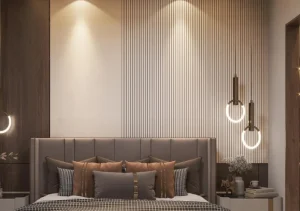
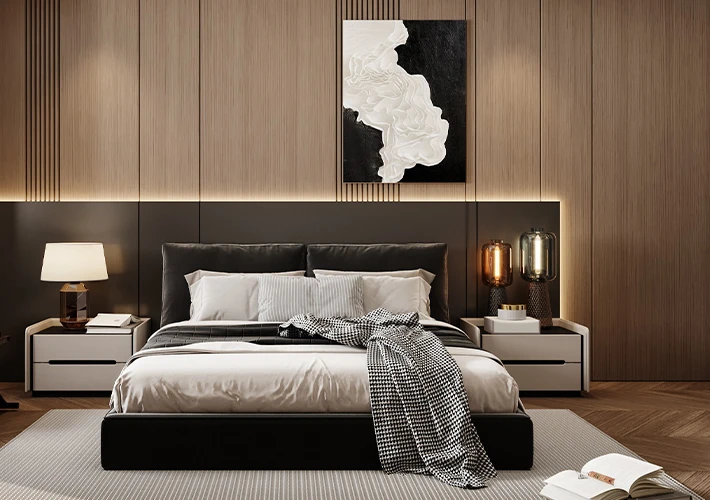
Guest Rooms
- Headboard walls
- TV feature walls
- Wardrobe surfaces
- Door skins
Benefits include acoustic comfort, luxury appearance, and air quality support.
Hotel Lobby and Reception
Lobby spaces require strong first impressions.
Walnut veneer delivers:
- Warm welcome atmosphere
- Brand identity consistency
- High-end luxury visual effect
Corridors and Elevator Areas
These areas require high durability and fire safety.
Bamboo charcoal veneer offers scratch resistance and flame-retardant properties suitable for high traffic zones.
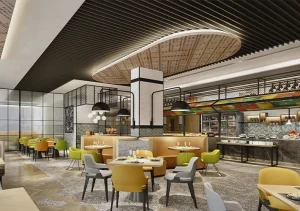
Restaurants and Conference Areas
Acoustic comfort is critical.
Bamboo charcoal veneer helps reduce sound reflection and improves speech clarity.
Spa and Wellness Spaces
Moisture regulation and natural aesthetics are key advantages.
The material helps prevent mold formation while maintaining warm natural visual texture.
Design Advantages of Walnut Finish in Hospitality
Walnut color remains one of the most popular hotel design tones globally.
Reasons include:
- Timeless luxury feel
- Compatibility with stone, metal, and fabric materials
- Warm emotional tone for guest comfort
Bamboo charcoal veneer can replicate walnut appearance while offering better performance than natural veneer in humid environments.
Installation and Construction Advantages
Bamboo charcoal veneer sheets are lightweight compared to solid wood panels, reducing load on walls and ceilings.
They can be installed using:
- Adhesive bonding
- Tongue and groove systems
- Click-lock systems
This reduces installation time and labor cost for large hotel renovation projects.
Sustainability and Green Building Value
Bamboo is a rapidly renewable resource, often harvested within 3–5 years.
Environmental advantages include:
- Lower carbon footprint
- Recyclable material structure
- Reduced hardwood consumption
Many products meet green certifications such as:
- GREENGUARD
- FSC
- CE marking
Market Trends in Hotel Decorative Materials
Hotel design trends increasingly focus on:
Healthy Building Materials
Post-pandemic hospitality design prioritizes air purification and antimicrobial surfaces.
Modular Construction Materials
Prefabricated decorative panels reduce construction time and improve quality consistency.
Sustainable Luxury
Hotels aim to balance premium aesthetics with environmental responsibility.
Bamboo charcoal walnut veneer fits all three trends simultaneously.
How to Choose High Quality Walnut Bamboo Charcoal Veneer
Key selection factors include:
Fire Certification
Check ASTM, EN, or local fire rating compliance.
Core Density
Higher density usually means better durability and acoustic performance.
Surface Coating
UV coating improves wear resistance and color stability.
Environmental Certification
Look for low VOC and green building certifications.
Future Development Outlook
The global decorative panel market is moving toward functional decorative materials, combining aesthetics with performance.
Future innovation trends include:
- Smart air purification materials
- Higher fire rating inorganic composite cores
- Ultra-thin flexible veneer sheets
- Digital texture printing for hyper-real wood finishes
Walnut bamboo charcoal veneer is positioned to remain a key material in next-generation hotel interior design.
Conclusion
Walnut Bamboo Charcoal Wood Veneer Sheets represent a new generation of hotel interior materials that combine the luxury visual appeal of walnut wood with advanced functional performance.
For hotel developers, architects, and procurement managers, this material offers a powerful combination of:
- Premium aesthetics
- Fire safety compliance
- Moisture and mold resistance
- Acoustic comfort
- Indoor air quality improvement
- Sustainable material sourcing
- Long lifecycle cost efficiency
As global hospitality standards continue to rise, materials that deliver both performance and design value will dominate specification decisions. Walnut bamboo charcoal veneer is no longer just an alternative decorative panel — it is becoming a core material solution for modern hotel interior engineering.