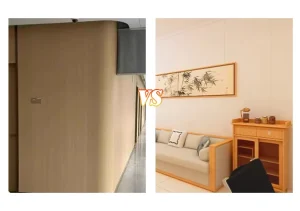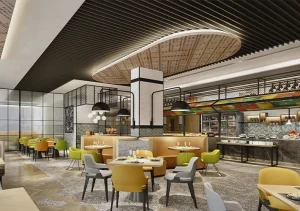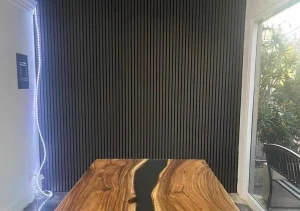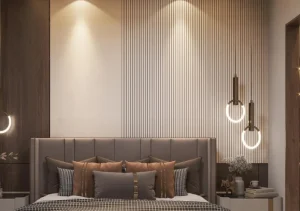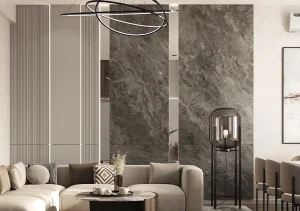
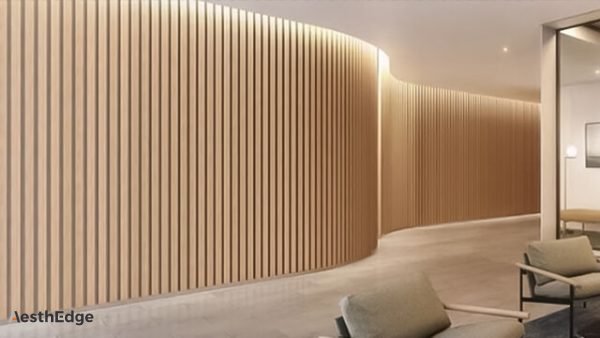
Hotel renovation projects are often complex, time-consuming, and expensive. Whether upgrading guest rooms, refreshing lobbies, or modernizing corridors, hotel owners and project managers must carefully control budgets while maintaining high design standards. In recent years, Bamboo Charcoal Wood Veneer has emerged as one of the most popular decorative materials in hospitality renovation projects due to its cost efficiency, modern aesthetics, and practical performance.
Compared with traditional materials such as natural marble, solid wood panels, or ceramic tiles, bamboo charcoal wood veneer offers a more economical solution without sacrificing visual appeal. As a result, many hotels—especially boutique hotels, business hotels, and large hotel chains—are increasingly choosing this material for large-scale renovation projects.
This article explores how bamboo charcoal wood veneer helps reduce hotel renovation costs, covering material costs, installation efficiency, maintenance advantages, and long-term economic value.
What Is Bamboo Charcoal Wood Veneer?
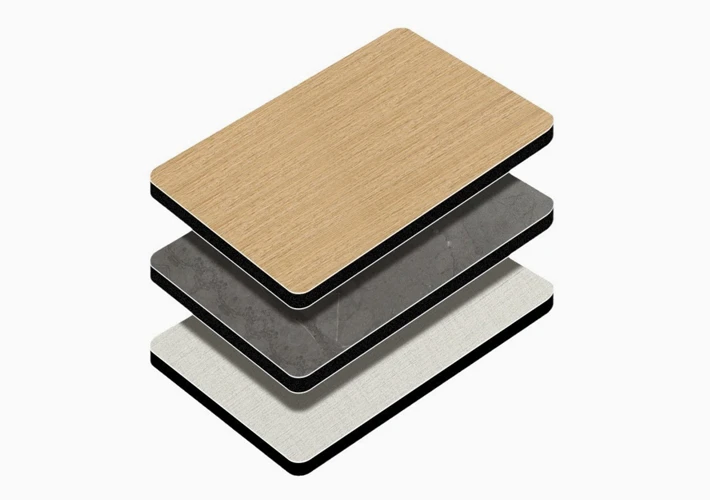
Bamboo Charcoal Wood Veneer is a modern decorative panel made from a combination of bamboo charcoal powder, polymer materials, and eco-friendly films. The surface is typically finished with high-definition decorative layers that replicate textures such as wood grain, marble, metal, or fabric.
The internal structure often consists of a multi-layer composite system, including:
- Decorative film layer
- Wear-resistant protective layer
- Bamboo charcoal core material
- Reinforcement layer
This structure provides excellent durability while maintaining a lightweight design.
Because bamboo charcoal is known for its odor-absorbing and moisture-regulating properties, panels made with this material also help improve indoor environments—an important consideration for hotels aiming to enhance guest comfort.
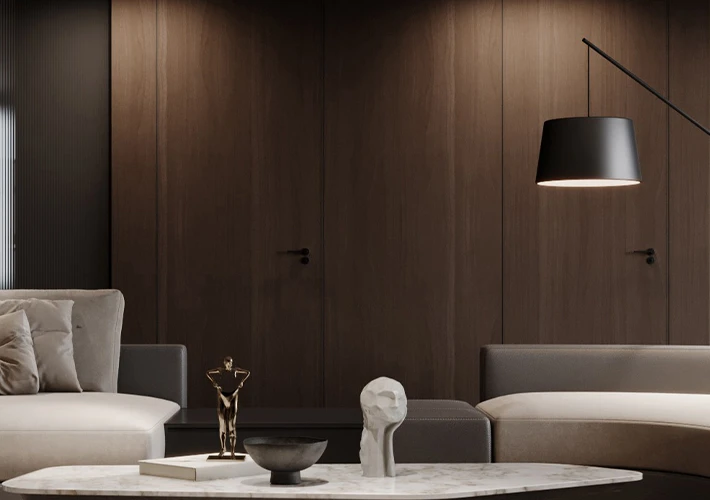
From a design perspective, bamboo charcoal wood veneer can replicate the appearance of premium materials such as walnut wood, oak, marble, or brushed metal. This makes it possible for hotel designers to achieve luxury aesthetics at a fraction of the cost.
Why Hotel Renovation Projects Need Cost-Efficient Materials
Hotel renovation is different from residential decoration. Projects usually involve large spaces, tight timelines, and high durability requirements. Materials must not only look attractive but also be cost-effective and easy to maintain.
Typical renovation challenges include:
High Material Costs
Traditional decoration materials such as natural stone, hardwood panels, or ceramic tiles can significantly increase project budgets. In large hotels with hundreds of rooms, material costs can become overwhelming.
Long Construction Time
Hotels often need to minimize renovation downtime because closed rooms mean lost revenue. Materials that require complex installation processes can delay reopening.
High Maintenance Expenses
Materials that scratch easily or stain quickly may require frequent repairs or replacement, increasing long-term costs.
Design Flexibility
Hotels frequently update their interior styles to remain competitive. Materials must allow designers to create modern aesthetics without excessive customization costs.
Bamboo charcoal wood veneer addresses all these issues by offering affordable material costs, fast installation, and long service life.
Lower Material Costs Compared to Traditional Decoration Materials
One of the biggest advantages of bamboo charcoal wood veneer is its competitive pricing compared with traditional materials.
Comparison With Natural Marble
Natural marble is widely used in luxury hotel interiors, especially in lobbies and bathrooms. However, marble is expensive due to quarrying, transportation, and processing costs.
Bamboo charcoal wood veneer can replicate marble textures with high realism while costing significantly less.
Example cost comparison:
| Material | Average Cost (per m²) |
|---|---|
| Natural marble | $60 – $150 |
| Ceramic tiles | $25 – $60 |
| Bamboo charcoal wood veneer | $15 – $40 |
For a hotel renovation covering 5,000 square meters of wall space, switching from marble to bamboo charcoal wood veneer could save tens of thousands of dollars.
Alternative to Solid Wood Panels
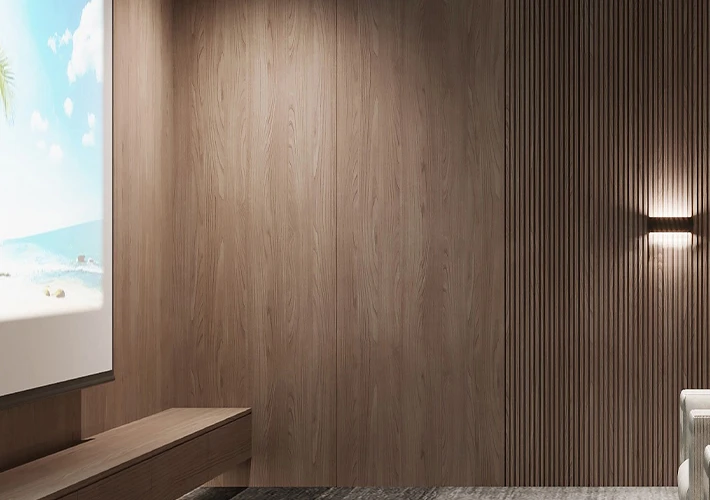
Solid wood wall panels provide elegant aesthetics but come with high costs and maintenance requirements. Bamboo charcoal wood veneer can replicate various wood grains such as:
- Walnut
- Oak
- Teak
- Ash
These designs provide the visual warmth of real wood while maintaining a much lower price.
Faster Installation Reduces Labor Costs
Labor costs are another major expense in hotel renovation projects. Bamboo charcoal wood veneer significantly reduces these costs because of its easy and efficient installation process.
Lightweight Panels
Compared with natural stone or ceramic tiles, bamboo charcoal panels are lightweight. This makes them easier to transport, handle, and install.
Advantages include:
- Reduced structural load on walls
- Lower transportation costs
- Faster installation
Modular Installation System
Most bamboo charcoal wood veneer panels use modular installation methods, such as:
- Glue installation
- Interlocking structures
- Clip systems
These methods allow installers to cover large wall areas quickly.
Reduced Construction Time
For hotel renovation projects, time is money. Faster construction means the hotel can reopen rooms sooner and recover revenue.
For example:
- Traditional marble installation: 4–5 days per 100 m²
- Bamboo charcoal veneer installation: 1–2 days per 100 m²
This efficiency significantly lowers overall project labor costs.
Reduced Maintenance and Replacement Costs
Hotel interiors experience heavy daily use. Walls in guest rooms, corridors, and elevators are exposed to:
- Scratches
- Moisture
- Stains
- Cleaning chemicals
Bamboo charcoal wood veneer is designed with durable protective layers that resist wear and damage.
Scratch Resistance
The surface film provides good resistance to scratches from luggage, furniture movement, or daily cleaning tools.
Waterproof and Moisture-Resistant
Hotels often face humidity challenges, especially in coastal areas or bathrooms. Bamboo charcoal panels have excellent moisture resistance, preventing warping or mold growth.
Easy Cleaning
The smooth surface allows housekeeping staff to clean panels quickly using standard cleaning solutions. This reduces maintenance labor.
Because of these advantages, bamboo charcoal wood veneer typically has a longer maintenance cycle, reducing replacement costs over time.
Improved Construction Efficiency for Large Hotel Projects
Large hotels often require renovation across multiple areas simultaneously. Materials must support efficient project management and fast installation.
Bamboo charcoal wood veneer offers several benefits for large-scale projects.
Prefabricated Panels
Panels are manufactured in factories with consistent sizes and finishes. This allows contractors to install them directly without complicated on-site processing.
Consistent Quality
Factory production ensures uniform color, texture, and thickness. This reduces the risk of inconsistent finishes that often occur with natural materials.
Reduced Construction Waste
Traditional stone or tile installations generate significant waste from cutting and shaping materials. Bamboo charcoal panels can be precisely cut with minimal waste, lowering disposal costs.
These factors help contractors complete hotel renovation projects faster and more efficiently.
Design Flexibility Without High Customization Costs
Hotel interiors require strong visual appeal to attract guests and enhance brand identity. Designers often look for materials that provide flexibility in color, texture, and style.
Bamboo charcoal wood veneer offers extensive design options.
Wide Range of Surface Designs
Common surface finishes include:
- Wood grain textures
- Marble patterns
- Metallic finishes
- Fabric textures
- Solid color modern designs
This allows designers to match different hotel themes, such as:
- Luxury hotels
- Boutique hotels
- Business hotels
- Resort hotels
Easy Customization
Compared with custom stone or wood panels, bamboo charcoal wood veneer can be customized quickly during factory production. This reduces design costs while maintaining aesthetic flexibility.
Environmental Benefits That Support Sustainable Hotel Renovation
Sustainability has become an important consideration in modern hotel construction and renovation. Many international hotel brands now prioritize environmentally friendly materials.
Bamboo charcoal wood veneer contributes to sustainable building practices in several ways.
Eco-Friendly Raw Materials
Bamboo grows rapidly and is considered a renewable resource. Using bamboo-based materials helps reduce pressure on natural forests.
Reduced Resource Consumption
Because bamboo charcoal veneer replaces heavy materials like marble and hardwood, it reduces the demand for mining and logging.
Indoor Air Quality Improvement
Bamboo charcoal is known for its ability to absorb odors and regulate humidity, which can improve indoor environments in hotel rooms and corridors.
These environmental benefits can help hotels meet green building standards and enhance their brand reputation.
Ideal Applications in Hotel Renovation Projects
Bamboo charcoal wood veneer can be used in many areas of hotel interiors.
Guest Room Walls
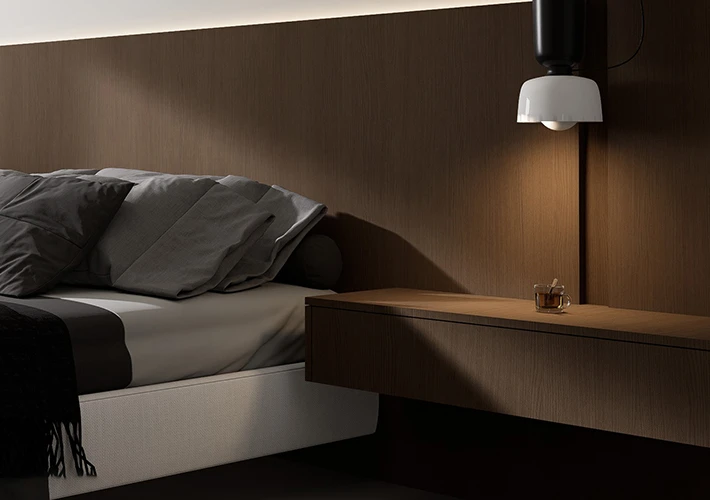
Panels create a warm and elegant atmosphere while protecting walls from daily wear.
Hotel Corridors
Durable panels withstand heavy foot traffic and luggage movement.
Lobby Feature Walls
Marble-style bamboo charcoal veneer can create luxurious lobby designs at a lower cost.
Elevator Areas
The material’s scratch resistance makes it ideal for elevator walls.
Restaurant and Bar Areas
Decorative panels enhance ambiance while remaining easy to maintain.
Because of its versatility, bamboo charcoal wood veneer has become a popular material in modern hospitality design.
Conclusion
Hotel renovation projects require careful cost management without compromising design quality or durability. Bamboo charcoal wood veneer provides an ideal solution by combining affordability, fast installation, durability, and design flexibility.
Compared with traditional materials such as marble, solid wood, or ceramic tiles, bamboo charcoal wood veneer significantly reduces:
- Material costs
- Labor costs
- Construction time
- Maintenance expenses
At the same time, it offers a wide range of decorative finishes that allow hotels to achieve modern and luxurious interiors.
As the hospitality industry continues to seek cost-effective and sustainable renovation solutions, bamboo charcoal wood veneer is expected to become an increasingly important material in hotel design projects worldwide.
If you are looking for a reliable bamboo charcoal wood veneer supplier for hotel renovation projects, working directly with a professional manufacturer can ensure stable quality, competitive pricing, and customized solutions.
Aesthedge specializes in high-quality bamboo charcoal wood veneer panels designed for large-scale commercial and hospitality applications. Contact our team today to learn how our products can help reduce renovation costs while enhancing your hotel’s interior design.