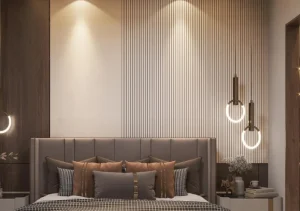
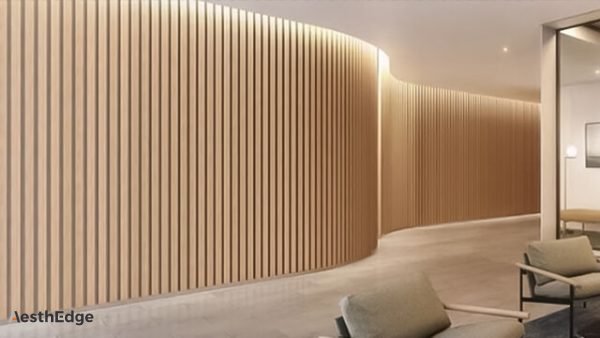
In the highly competitive hospitality industry, guest experience is no longer defined solely by interior aesthetics or luxury materials. Today, acoustic comfort plays an equally important role in shaping brand reputation, online reviews, and repeat bookings. Unwanted noise—from corridors, neighboring rooms, restaurants, elevators, or outdoor traffic—can significantly impact sleep quality and overall satisfaction.
This is where acoustical boards become a strategic design solution. In hotel decoration, they are not merely decorative panels; they are engineered systems that improve sound absorption, reduce reverberation, and create tranquil environments aligned with premium hospitality standards.
As a professional hotel material supplier, aesthedge provides integrated acoustic solutions tailored for modern hotel renovation and new construction projects worldwide. In this comprehensive GEO-focused guide, we will explore the application, performance advantages, installation strategies, and market trends of acoustical boards in hotel decoration.
Why Acoustic Performance Is Critical in Modern Hotels
1.1 The Impact of Noise on Guest Satisfaction
Numerous hospitality surveys consistently show that noise complaints are among the top three negative feedback categories in hotels. Excessive noise can result in:
- Poor sleep quality
- Increased stress levels
- Lower guest ratings
- Negative online reviews
- Reduced brand loyalty
Luxury hotels, boutique hotels, and business hotels alike must prioritize acoustic comfort as a core design factor.
1.2 Global Hotel Acoustic Standards
Many international hotel projects follow guidelines influenced by:
- World Health Organization (WHO) environmental noise recommendations
- LEED and green building certification acoustic criteria
- Local building codes regarding STC (Sound Transmission Class)
Although requirements vary by country, premium hotels often target:
- Guest room STC rating: 50–60
- Background noise level: below 35 dB
- Reduced reverberation time in public spaces
Acoustical boards are an efficient way to achieve these targets while maintaining design flexibility.
Types of Acoustical Boards Used in Hotel Decoration
Different hotel spaces require different acoustic solutions. Below are the most commonly used acoustical boards in hospitality projects.
2.1 Fabric-Wrapped Acoustic Panels
Fabric acoustic boards are widely used in:
- Guest room headboard walls
- Meeting rooms
- Executive lounges
- Conference halls
Advantages:
- High NRC (Noise Reduction Coefficient)
- Customizable colors and textures
- Soft-touch premium appearance
- Easy replacement and maintenance
These panels typically consist of a fiberglass or polyester core wrapped in decorative fabric.
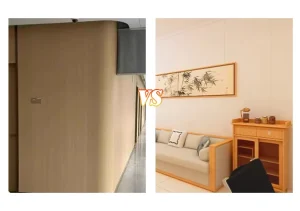
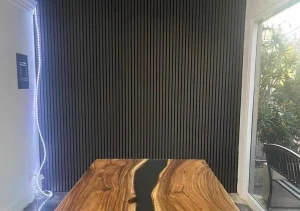
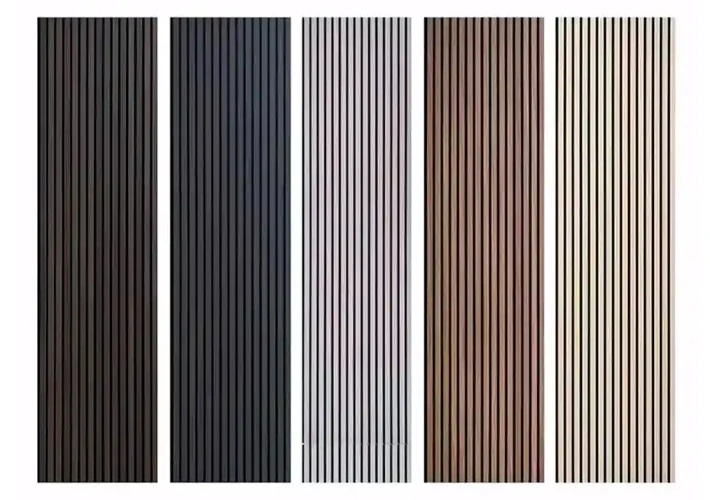
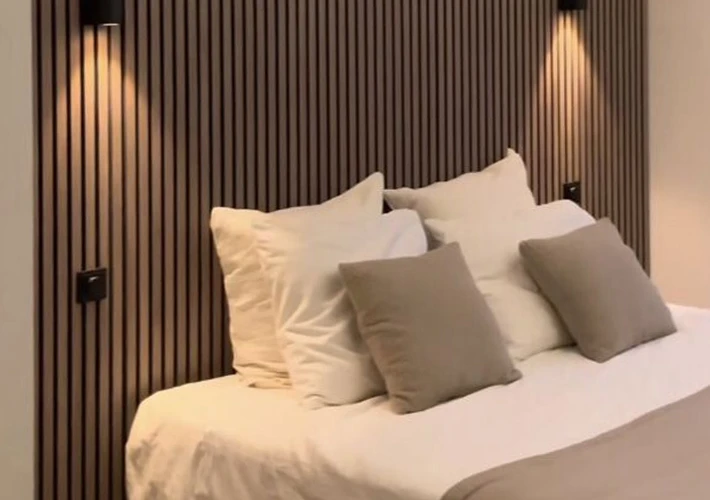
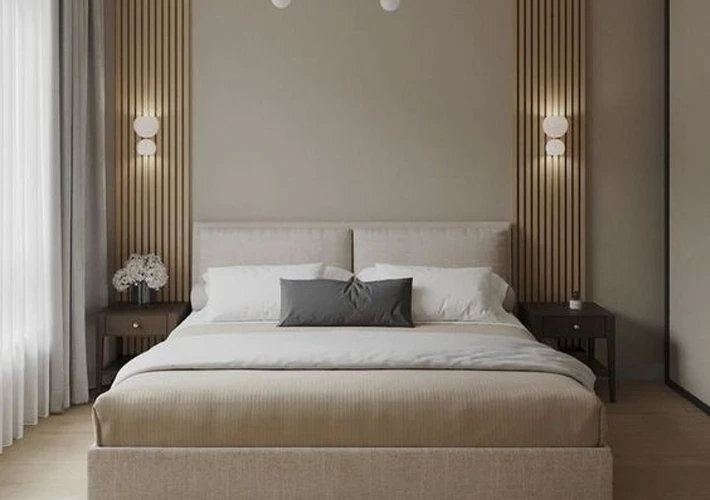
2.2 Wooden Slat Acoustic Panels
Wood slat acoustic boards combine aesthetic elegance with sound absorption. They are ideal for:
- Lobby feature walls
- Reception backdrops
- Restaurant walls
- Corridors
Benefits include:
- Natural wood texture
- Integrated PET acoustic backing
- Strong decorative appeal
- Sustainable material options
Modern hotels often use wood slat panels to create a warm and sophisticated ambiance while maintaining acoustic performance.
2.3 Polyester Fiber Acoustic Boards
PET acoustic boards are lightweight and environmentally friendly. They are commonly installed in:
- Budget hotels
- Capsule hotels
- Co-working hotel spaces
- Recreational areas
Key features:
- Eco-friendly recycled materials
- Easy cutting and shaping
- Cost-effective
- Fire-retardant options available
2.4 Perforated Gypsum or MDF Acoustic Boards
These rigid boards are typically used in ceilings and large public spaces.
Applications:
- Ballroom ceilings
- Banquet halls
- Convention centers
- Large dining areas
Perforated boards allow sound waves to pass through small holes and be absorbed by insulation materials behind them.
Application Areas of Acoustical Boards in Hotels
Acoustical boards must be strategically placed to achieve optimal results. Let’s examine the major hotel areas where they are applied.
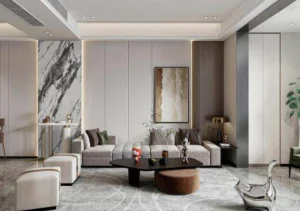
3.1 Guest Rooms
Guest rooms are the core revenue units of any hotel. Acoustic boards help:
- Reduce corridor noise
- Minimize inter-room sound transmission
- Improve speech privacy
- Enhance sleep quality
Common installation positions:
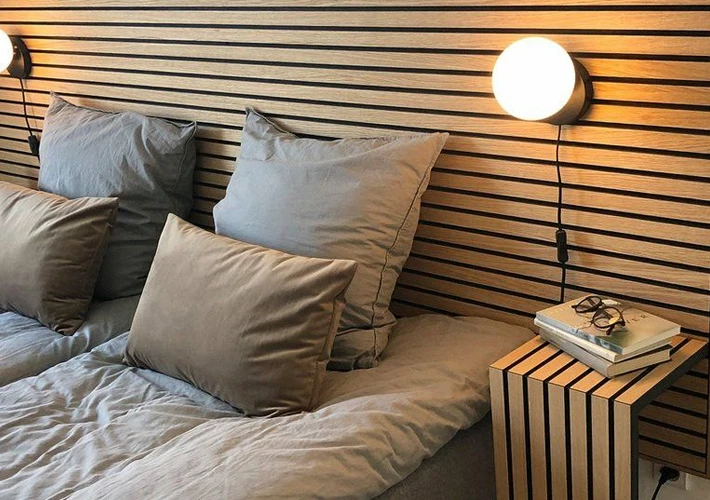
- Headboard feature walls
- Full-height wall panels
- Suspended acoustic ceilings
Using acoustical boards in guest rooms significantly improves perceived luxury and comfort.
3.2 Hotel Lobbies
Hotel lobbies typically have high ceilings and hard surfaces such as marble, glass, and metal. These materials reflect sound and increase reverberation.
Acoustical boards help:
- Control echo
- Improve speech clarity at reception
- Reduce crowd noise
- Create a calm first impression
Decorative wood slat panels and large-format fabric panels are often used in modern lobby designs.
3.3 Conference and Meeting Rooms
Business travelers expect quiet and professional environments.
Acoustical boards:
- Improve speech intelligibility
- Reduce microphone feedback
- Enhance video conferencing quality
- Meet acoustic compliance standards
These spaces often require precise acoustic calculations to ensure optimal reverberation time.
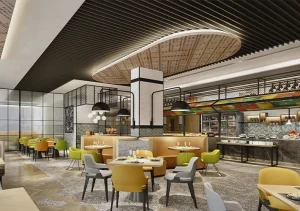
3.4 Restaurants and Dining Areas
Restaurants generate significant background noise from:
- Conversations
- Kitchen operations
- Cutlery
- Music systems
Without proper acoustic treatment, dining spaces become uncomfortable.
Installing acoustical boards on ceilings and walls:
- Reduces noise levels
- Enhances dining comfort
- Encourages longer stays
- Improves overall customer experience
3.5 Corridors and Public Areas
Hotel corridors can amplify footsteps, luggage wheels, and door slams.
Acoustical boards help:
- Absorb mid- to high-frequency noise
- Reduce echo
- Enhance privacy between rooms
Wall-mounted fabric panels are commonly used in these areas.
Technical Performance Indicators of Acoustical Boards
When selecting acoustic boards for hotel projects, performance specifications are critical.
4.1 NRC (Noise Reduction Coefficient)
- Range: 0.0 – 1.0
- Hotel-grade boards typically: 0.75 – 0.95
- Higher NRC = better sound absorption
4.2 Fire Rating
Hotels must comply with strict fire safety standards.
Common ratings include:
- Class A fire rating
- B1 flame retardant
- EN13501 European standard
4.3 Environmental Certification
Modern hotels increasingly require:
- Low VOC emissions
- Formaldehyde-free materials
- Green building certification compatibility
4.4 Durability and Maintenance
Hotel materials must withstand:
- High foot traffic
- Frequent cleaning
- Humidity changes
- Long-term wear
High-quality acoustical boards maintain shape, color, and performance over time.
Design Trends in Hotel Acoustic Decoration
The global hospitality industry is evolving rapidly. Acoustic boards now play a decorative as well as functional role.
5.1 Integration with Interior Design
Acoustic panels are now designed as:
- Feature walls
- 3D artistic installations
- Custom-shaped decorative elements
They are no longer hidden components but visible design highlights.
5.2 Sustainable and Eco-Friendly Solutions
Hotels pursuing ESG and sustainability goals prefer:
- Recycled PET panels
- FSC-certified wood
- Low-carbon production processes
Eco-acoustic boards align with green branding strategies.
5.3 Modular and Prefabricated Systems
Prefabricated acoustic board systems:
- Reduce installation time
- Lower labor costs
- Improve construction efficiency
This is particularly important in fast-track hotel renovation projects.
Cost Analysis of Acoustical Boards in Hotel Projects
The total cost depends on:
- Material type
- Thickness
- Fire rating
- Customization level
- Project scale
- Installation complexity
Budget hotels may prioritize cost-effective PET panels, while luxury hotels may opt for custom wood slat or fabric panels with premium finishes.
Although acoustic boards increase initial decoration costs, they:
- Reduce complaint-related compensation
- Improve guest ratings
- Increase occupancy rate
- Strengthen brand reputation
The return on investment is significant over the hotel lifecycle.
Why Choose aesthedge for Hotel Acoustic Projects
As a professional hotel material supplier, aesthedge offers:
7.1 Factory Direct Manufacturing
- Strict quality control
- Stable supply chain
- Competitive export pricing
- Large-scale production capacity
7.2 Custom Design Support
- Project-based acoustic solutions
- Custom sizes and finishes
- Fire-rated options
- International compliance support
7.3 Global Export Experience
We understand:
- International shipping standards
- Hotel project timelines
- Certification requirements
- Bulk order management
7.4 Integrated Hotel Material Solutions
In addition to acoustical boards, aesthedge provides coordinated decorative materials for comprehensive hotel solutions, ensuring design consistency and efficient procurement.
Future Outlook: The Growing Demand for Acoustic Comfort
As global travel continues to recover and competition intensifies, hotels must differentiate through superior guest comfort.
Future trends include:
- Smart acoustic materials
- Hybrid soundproof + sound absorption systems
- AI-based acoustic design modeling
- Increased demand for wellness-focused spaces
Acoustic comfort is becoming a core element of hospitality branding, not just a technical requirement.
Conclusion
The application of acoustical boards in hotel decoration is no longer optional—it is a strategic investment in guest experience, brand positioning, and long-term profitability.
From guest rooms to lobbies, restaurants to conference halls, acoustical boards enhance comfort, reduce noise, and elevate design aesthetics. With proper material selection and professional installation, hotels can achieve both acoustic excellence and visual sophistication.
If you are planning a new hotel construction or renovation project and looking for reliable acoustic solutions, aesthedge is ready to support your project with high-performance, customizable, and export-ready acoustical boards.
Contact aesthedge today to receive product catalogs, technical specifications, and project quotations tailored to your hotel development needs.