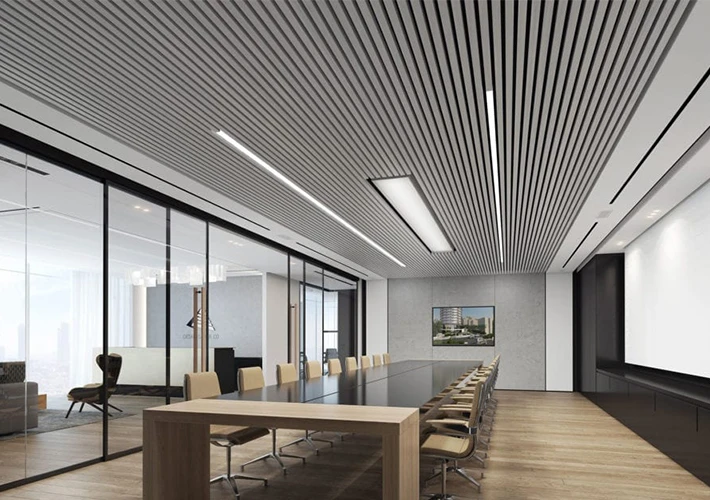
Ceiling acoustic panels have become one of the most widely used materials in modern commercial and residential interior design. As building owners and designers increasingly focus on acoustics, comfort, sustainability, and aesthetics, ceiling acoustic panels are now considered a key solution for improving indoor sound environments.
These panels offer a combination of sound absorption, fire resistance, design flexibility, environmental friendliness, and cost efficiency, making them ideal for offices, schools, hotels, restaurants, healthcare facilities, studios, and residential spaces. This article provides a complete and professional overview of the main advantages of ceiling acoustic panels, helping B2B buyers—including distributors, contractors, engineers, and architects—understand why this product has become essential in modern construction projects.
Superior Acoustic Performance
The primary advantage of ceiling acoustic panels is their excellent sound absorption capability, which significantly improves indoor acoustic comfort.
1.1 Reduction of Echo and Reverberation
In spaces with hard surfaces—such as concrete walls, tiled floors, or glass windows—sound waves bounce repeatedly, causing echo and reverberation. Ceiling acoustic panels absorb sound energy and reduce these reflections. As a result:
- Speech becomes clearer
- Noise levels decrease
- The environment becomes more comfortable
- Communication becomes more efficient
This is particularly important in offices, classrooms, meeting rooms, and public buildings.
1.2 Enhanced Speech Intelligibility
Panels with high Noise Reduction Coefficient (NRC) values—typically between 0.75 and 1.0—effectively reduce background noise and enhance speech clarity. This is crucial for:
- Lecture halls
- Conference rooms
- Online meeting spaces
- Customer service centers
- Training facilities
Clear communication directly improves productivity and user experience.
1.3 Noise Pollution Control
Ceiling acoustic panels also help reduce unwanted noise from:
- HVAC systems
- Footsteps from upper floors
- Office equipment
- Outdoor noise
By reducing ambient noise, ceiling acoustic panels create a calmer atmosphere, improving concentration and well-being.
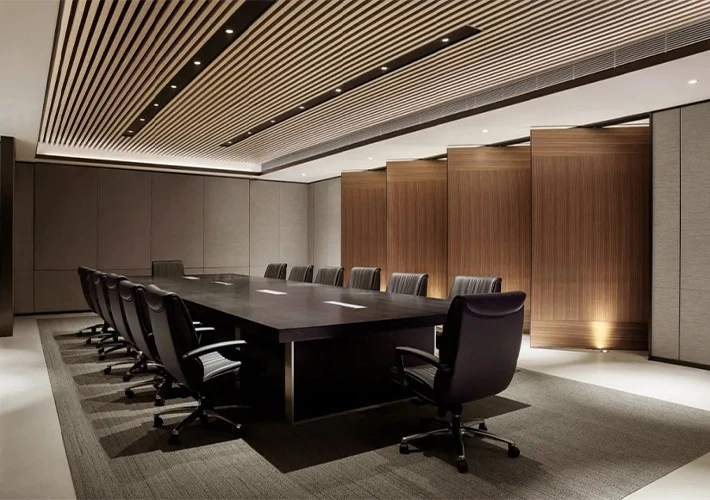
Aesthetic Versatility and Modern Design Options
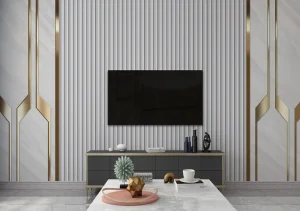
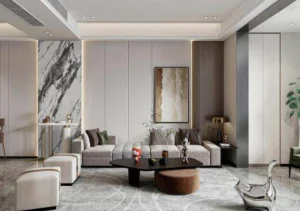
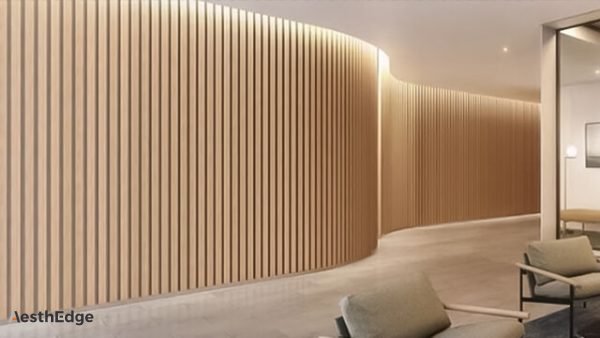
In addition to acoustic performance, ceiling acoustic panels are highly valued for their design flexibility. Modern manufacturing techniques have transformed them from purely functional materials into visually appealing ceiling solutions.
2.1 Wide Range of Styles and Colors
Ceiling acoustic panels are available in numerous options, including:
- Wood grain finishes
- Fabric-wrapped designs
- Metal perforated panels
- PET and polyester fiber textures
- Smooth or 3D surface patterns
These options allow designers to match:
- Minimalist interiors
- Luxury hotel styles
- Industrial-style offices
- Colorful school environments
- Elegant residential spaces
2.2 Custom Shapes and Architectural Flexibility
Panels can be manufactured in various forms:
- Square and rectangular tiles
- Circular or oval panels
- Suspended acoustic clouds
- Vertical acoustic baffles
- Floating ceiling systems
This gives architects freedom to create unique visual effects while meeting acoustic requirements.
2.3 Enhancing Space Aesthetics and Brand Image
In commercial environments such as hotels, restaurants, showrooms, and offices, attractive ceilings greatly influence the overall atmosphere. Ceiling acoustic panels can strengthen brand identity by incorporating:
- Corporate colors
- Customized patterns
- Modern geometric shapes
Fire Safety, Environmental Protection, and Health Benefits
For public and commercial buildings, safety and environmental standards are essential. Modern ceiling acoustic panels are designed to meet strict regulations.
3.1 High Fire Resistance
Depending on the material, many panels achieve:
- ASTM E84 Class A
- EN 13501-1 B-s1, d0 fire rating
- Excellent flame spread and smoke development performance
This ensures compliance with international building codes, making them safe for:
- Hotels
- Schools
- Hospitals
- Commercial offices
- Public facilities
3.2 Environmentally Friendly Materials
Many acoustic ceiling panels use:
- Recycled PET
- Eco-friendly polyester fiber
- Low-VOC adhesives
- Formaldehyde-free materials
This supports green building certifications such as:
- LEED
- BREEAM
- WELL Building Standard
3.3 Moisture Resistance and Mold Prevention
PET fiber and polyester acoustic panels resist moisture absorption, preventing:
- Mold growth
- Odor
- Deformation
This makes them suitable for humid regions, coastal cities, and basements.
3.4 Improved Indoor Air Quality
Panels made from low-VOC materials help create healthier indoor environments, important for:
- Schools
- Hospitals
- Offices
- Homes

Easy Installation and Low Maintenance Requirements
Ceiling acoustic panels offer excellent convenience for contractors and project owners, making them ideal for both new construction and renovation.
4.1 Fast and Clean Installation
Different installation methods support a wide range of project requirements:
- Adhesive installation
- Metal frame mounting
- Suspension systems
- Drop ceiling grids
These methods require minimal tools and reduce construction time significantly.
4.2 Lightweight but Durable
Compared with traditional gypsum or wooden ceilings, acoustic panels are lightweight, reducing structural load and improving installation safety.
4.3 Long-Term Low Maintenance
Ceiling acoustic panels are:
- Easy to clean
- Resistant to dust
- Non-fading
- Durable for many years
This reduces operational costs for building owners and facility managers.
Cost-Effectiveness and Long-Term Economic Value
Ceiling acoustic panels provide excellent value for money due to their durability, performance, and low maintenance needs.
5.1 Reduced Labor and Installation Costs
Lightweight materials and simple installation systems lower labor costs and shorten project timelines, making them ideal for commercial renovations with tight deadlines.
5.2 Improved Productivity and Customer Experience
Higher acoustic comfort leads to:
- Better work efficiency in offices
- Improved learning performance in classrooms
- More pleasant dining experiences in restaurants
- Better sleep quality in hotels
These benefits translate into long-term business value.
5.3 Energy Savings
Some acoustic materials offer thermal insulation benefits, helping reduce heating and cooling costs, especially in large commercial spaces.
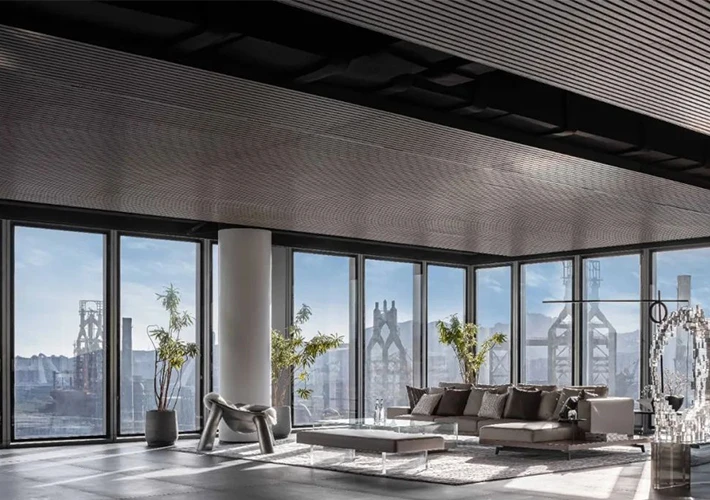
Extensive Applications Across Multiple Industries
Because ceiling acoustic panels combine aesthetics, functionality, and performance, they are widely used in different environments.
6.1 Commercial Spaces
- Corporate offices
- Meeting rooms
- Co-working spaces
- Shopping malls
- Stores and showrooms
6.2 Educational Institutions
- Classrooms
- Libraries
- Auditoriums
- Computer labs
6.3 Hospitality and Entertainment
- Hotels
- Restaurants
- Bars
- Cinemas
- Karaoke rooms
6.4 Healthcare Facilities
- Hospitals
- Clinics
- Counseling centers
- Rehabilitation centers
6.5 Residential Spaces
- Living rooms
- Bedrooms
- Home theaters
- Home offices
6.6 Industrial and Public Buildings
- Airports
- Train stations
- Factories
- Government buildings
This versatility makes ceiling acoustic panels one of the most adaptable materials in modern construction.
Conclusion: Why Ceiling Acoustic Panels Are Essential in Modern Buildings
Ceiling acoustic panels offer a powerful combination of sound absorption, design flexibility, fire safety, environmental protection, ease of installation, and cost-effectiveness. They significantly improve interior comfort, enhance architectural aesthetics, and meet strict building standards.
For B2B buyers—including contractors, distributors, architects, and project managers—choosing high-quality ceiling acoustic panels can dramatically increase project value and customer satisfaction.